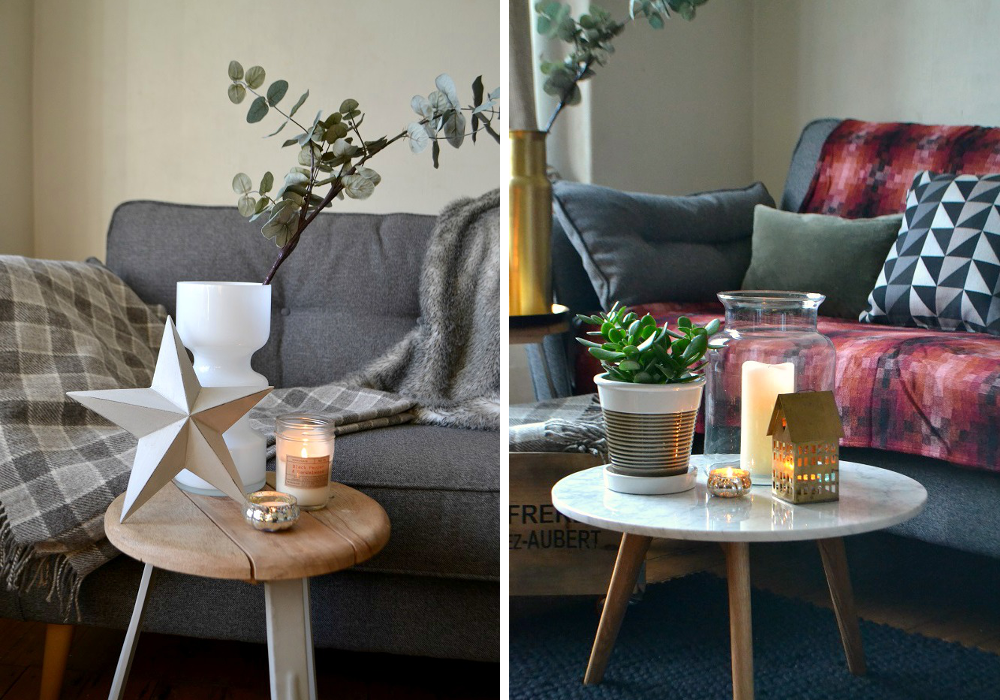
How to ‘Hygge’ Your Sofa Two Different Ways
Danes spend roughly 57% of their leisure time at home. That is not a cultural quirk — it is a design philosophy made physical. And the sofa is ground zero for it.
Hygge (pronounced “hoo-gah”) gets thrown around like a mood board term, but it comes down to one thing: creating physical conditions for ease. No striving. No performance. Just a sofa that makes you exhale the moment you sit down.
There are two distinct ways to get there. They look different. They suit different rooms and different people. And they use different products to reach the same result — a sofa that actually earns its place in your home.
What Hygge Actually Demands From Your Sofa
This is not about piling on throw pillows and calling it cozy. Hygge on a sofa is a specific sensory experience: warmth, softness, visual calm, and an invitation to settle in without shifting around every five minutes. Most people get at least one of the core principles wrong — and it unravels everything else.
Warmth Is Not Just Temperature
When hygge designers talk about warmth, they mean visual warmth as much as tactile warmth. A white linen sofa can be physically warm but visually cold — and that kills the effect immediately. Warm means cream, oat, camel, terracotta, dusty rose, warm grey. Not navy. Not charcoal. Not stark white.
The materials carry warmth too. Wool, cotton knit, boucle, velvet, and sheepskin all read as “warm” at a glance. Polyester microfiber and faux silk do not — even when they technically insulate better. The eye registers material before the hand ever touches it.
Texture Does the Heavy Lifting
Hygge sofas are tactile sofas. The eye needs to “feel” them from across the room. That means mixing at least two contrasting textures — chunky knit against smooth linen, or velvet cushions next to a waffle-weave throw. Variation is coziness. Uniform texture is a catalog photo. You want the sofa to look lived-in, not staged for a showroom.
The contrast does not need to be dramatic. Even the difference between a matte cotton cushion and a slightly nubbled boucle throw reads as textural variety. Small contrasts add up fast.
What Hygge Is Not
Not dark and moody. That is a different aesthetic — “dark academia” or maximalist. Hygge skews light and warm, not dramatic. A charcoal sofa loaded with black velvet cushions is many things. Hygge is not one of them.
Not overstuffed. Eight cushions do not equal eight times the coziness. Past four cushions on a standard two-seater, you are decorating for Instagram, not for sitting. The cushions should invite people to sit down, not force them to relocate half of them first.
Not seasonal. Hygge works in August if you approach it correctly. You swap heavy wool throws for lighter cotton ones, not the entire method. The bones of the approach stay the same year-round.
Way One: The Layered Nest
This is the method most people picture when they hear “hygge sofa.” Done right, it looks effortlessly inviting. Done wrong, it looks like a thrift store exploded on your couch. The difference is palette discipline and a deliberate layering sequence — not buying more stuff.
Step-by-Step: Building the Layered Nest
- Start with base cushion covers in a warm neutral. Replace or cover your sofa’s standard cushions with something in cream, oat, or warm grey. IKEA’s SANELA velvet cushion covers ($12.99 each) in beige are a reliable starting point — they read more expensive than their price and hold up to regular use.
- Add a structural cushion in a contrasting texture. One larger cushion in boucle or chunky knit. Bolia’s Cara cushion (~$75) holds its shape and reads expensive even next to cheaper surrounding pieces. If budget is tight, look at H&M Home’s boucle range (~$30–$40) as an alternative.
- Fold your main throw diagonally over one arm. Drape it over the arm and fold it casually across the seat — not tucked in, not folded in a perfect rectangle. IKEA’s GURLI chunky knit throw ($19.99) works for this, though it pills faster than the Faribault Woolen Mill Company’s heritage wool throw (~$150). Which you choose depends on how long you want it to last.
- Add a secondary throw in a lighter weight. Different texture from the first. H&M Home’s cotton waffle throws (~$35) layer well without adding visual bulk — they sit underneath or alongside the main throw and break up the texture without competing with it.
- One accent cushion in a different but complementary tone. Dusty rose against oat. Warm rust against cream. One accent cushion, not three. A single color pop reads as intentional. Three reads as a collection.
Total spend to execute this properly: $80–$300, depending on whether you go IKEA-tier or Bolia-tier. The IKEA version needs replacing every two to three years. The Bolia version lasts a decade.
Which Sofas Suit the Layered Nest
The Layered Nest works best on medium-to-large sofas — anything with more than 180cm of seating width. On a small two-seater, it tips into clutter quickly. Dark-colored sofas (charcoal, navy, forest green) also fight this method because the layered pieces lose visual definition against the sofa body.
Best match: a light grey or oatmeal sofa in a clean fabric — linen, cotton, or boucle. The IKEA KIVIK ($699, 228cm width) is the most common base for this look, and for good reason. The HAY Mags Soft modular sofa (~$3,500+) is the premium version and handles this method with room to spare.
Way Two: The Minimal Warm
One throw. Two cushions. Nothing else on the sofa. This is harder than the Layered Nest because every single item has to earn its place — there is nowhere for mediocre pieces to hide when there are only three of them.
The Minimal Warm is the more authentically Scandinavian of the two methods. Closer to what you would actually find in a Copenhagen apartment than the layered version, which skews more Instagram-Danish. It relies on quality over quantity and deliberate negative space. The sofa breathes. You feel the calm before you even sit down.
The Formula
Two cushions, same fabric, different sizes. 50x50cm and 40x60cm is the right pairing. Muuto’s Rest cushions (~$85 each) are built for exactly this approach — clean edges, quality fill that does not go flat after six months. HAY’s Palissade cushions work too, and come in more muted tones that suit warmer palettes well.
One throw, placed deliberately rather than casually tossed. The White Company’s Cashmere Blend throw (~$180) is the recommendation for this method. It photographs modestly but feels extraordinary in person. That gap between visual restraint and tactile richness is the entire point of minimalist hygge — it rewards the person sitting in the room, not the person photographing it.
The sofa carries more visual weight here than in the Layered Nest. A sagging, off-color sofa will not be rescued by two good cushions. The Minimal Warm amplifies what is already there, which means the sofa itself needs to be in decent shape before you start.
Why Lighting Is Non-Negotiable for This Method
Without the visual interest of multiple layers, the Minimal Warm depends on lighting to create atmosphere. A floor lamp with a warm-temperature bulb — 2700K, not the cool 4000K “daylight” setting that kills any sense of coziness — positioned behind or beside the sofa changes everything.
IKEA’s Hektar floor lamp (~$70) with a warm LED bulb ($8–$12) is the budget option and it works. The throw and cushions shift from objects sitting on a sofa to part of a lit scene — which is precisely what this method needs to land correctly.
This is the detail most people miss when the Minimal Warm falls flat for them. They run the setup, it looks underwhelming, they assume the method failed. It did not. The lighting was missing.
Three Mistakes That Undo Every Good Decision You Just Made
Wrong color temperature in your cushions. Blue-grey, cool white, and slate are minimalism colors, not hygge colors. The moment they appear in the setup, the warmth drains out. Stay in the warm half of the color wheel: creams, taupes, warm greens, terracotta, dusty pink, oat. Mix within this range freely. Venture outside it at your own risk.
Cheap throws that pill in two months. The IKEA GURLI is a fine starting point — but it will pill visibly with regular use. A single better-quality throw always outperforms two cheap ones. Pilling is the fastest way to make a sofa look uncared-for, which is the exact opposite of what hygge is trying to achieve.
Treating the sofa as a standalone object. A perfectly styled sofa under harsh overhead fluorescent lighting in a cluttered room is not hygge. It is a product shot. The floor lamp, the cleared coffee table, the rug underfoot — the sofa is the anchor, not the whole answer.
Texture and Color: The Reference Guide
Most sofa styling decisions should start here — not with specific products, but with understanding which textures do which jobs and which combinations work reliably together.
| Texture | What It Adds | Best Used As | Avoid Pairing With | Recommended Brand |
|---|---|---|---|---|
| Chunky knit | Visual warmth, strong tactile contrast | Main throw (Layered Nest) | Other chunky textures — too busy | Faribault Woolen Mill, IKEA GURLI |
| Velvet | Color depth, soft sheen | Accent cushion covers | Boucle — competing softness | IKEA SANELA, H&M Home |
| Boucle | Luxury texture, diffuse light | Structural cushion or sofa upholstery | Chunky knit — too much going on | Bolia, Muuto |
| Waffle cotton | Casual warmth, breathable weight | Secondary throw, summer months | Nothing — pairs with everything | H&M Home, The White Company |
| Cashmere or wool blend | Subtle luxury, genuine warmth | Hero throw (Minimal Warm) | Other premium fabrics nearby — lost next to each other | The White Company, Faribault Woolen Mill |
| Linen | Airiness, texture without visual weight | Base cushion covers, warmer months | Cool-toned walls — needs warm elements nearby | HAY, IKEA AINA |
Color palette priority: oat, cream, warm grey, dusty rose, terracotta, warm sage. These all mix without competing. Stay within this palette and the layering becomes forgiving — you can add almost any piece and it will not look out of place. One addition that surprises people: a single warm-toned plant (trailing pothos, olive tree, or dried pampas grass) adjacent to the sofa extends the hygge aesthetic without any additional textile work.
Which Method Fits Your Situation
Both work. Choosing between them comes down to your sofa, your room, and your tolerance for daily rearrangement — not your budget alone.
- Layered Nest if: your sofa is 180cm or wider, light-colored, and the room needs to feel warm from the doorway. Best for primary living spaces used as the main gathering area daily.
- Minimal Warm if: your sofa is smaller or darker, you want calm over expressive, and you can invest in one or two genuinely good pieces instead of several affordable ones.
- Dark sofa (navy, charcoal, dark green): Minimal Warm performs better in almost every case. The layered look loses definition against a dark base and tips into cluttered.
- Budget under $75: One IKEA GURLI throw plus two SANELA cushion covers. That is Layered Nest at entry level. Skip Minimal Warm at this budget — it needs better individual pieces to land correctly.
- Budget $150 or more: A Minimal Warm setup using one White Company throw and two Muuto cushions outperforms a Layered Nest at the same price in most rooms. Fewer pieces, higher quality each — the investment shows more clearly.
| Layered Nest | Minimal Warm | |
|---|---|---|
| Best sofa color | Light (oat, cream, warm grey) | Any — works on dark sofas too |
| Number of pieces | 4–6 items | 2–3 items |
| Entry-level budget | $75–$100 | $120–$180 |
| Maintenance | Casual — restyles itself naturally | Deliberate placement needed each time |
| Lighting dependency | Low | High — needs a warm lamp nearby |
| Seasonal swap | Swap one throw for a lighter version | Swap the single throw entirely |
| Risk of looking cluttered | Higher — palette discipline required | Low — fewer pieces, harder to overdo |