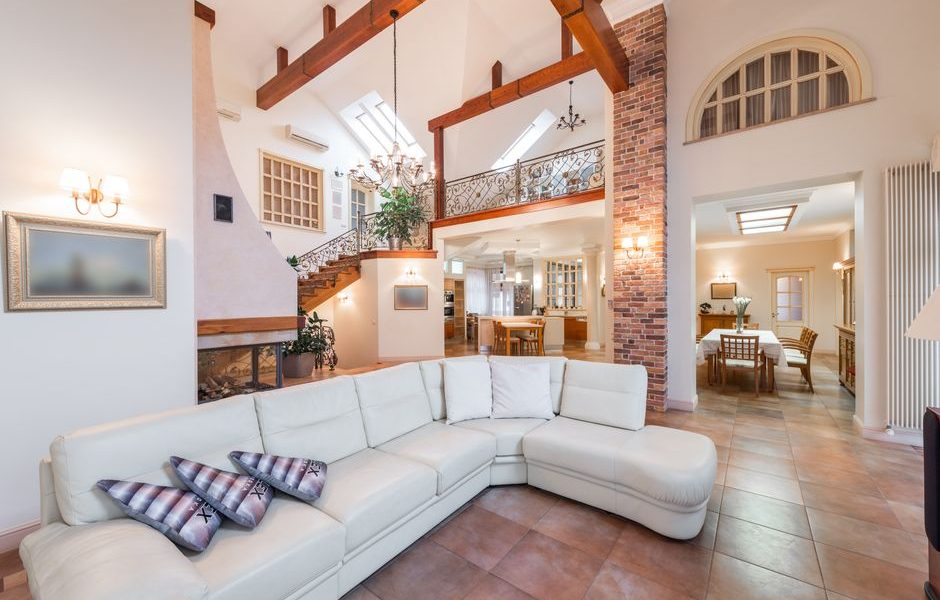
Tile Flooring for Hot Weather: Porcelain vs Natural Stone
Your living room is 88 degrees, the ceiling fan is running, and the carpet still feels warm under bare feet. You are considering tile because friends say it will make the house feel cooler. That advice is mostly sound, but it leaves out the details that determine comfort: the slab below the floor, the tile finish, sunlight through the windows, indoor humidity, and how the surface handles wet feet.
The direct verdict is simple. For most hot-weather homes, choose a light-colored matte porcelain tile over a stable, well-prepared subfloor. Choose natural stone when its texture and aging matter more to you than low maintenance. Neither material replaces shade, insulation, or an efficient air conditioner.
Why Tile Feels Cooler: The Physics That Matters
Tile feels cool because it moves heat away from your skin faster than carpet, cork, or a thick wood floor. Your feet sit near 90 degrees Fahrenheit, while the floor may sit near 75 to 82 degrees. When the two surfaces touch, heat flows from your skin into the denser floor. That heat transfer creates the cool sensation.
The floor can feel cool without cooling the room
That distinction matters. A tile floor does not automatically lower the room temperature. The U.S. Department of Energy has described this effect as a difference between perceived comfort and actual air-conditioning performance: tile can feel cooler underfoot because it conducts heat well, while the home still needs shading, ventilation, and mechanical cooling. The Building America report on tile and slab floors makes the same basic point.
A concrete slab below the tile can add useful thermal mass. It absorbs heat during the day and may release it later, especially when outdoor temperatures fall at night. That benefit depends on the slab, insulation, window exposure, and nighttime temperature swing. In a humid coastal climate with warm nights, the slab may stay warm and deliver less relief.
Why stone and porcelain feel different
Porcelain and natural stone both conduct heat, but they do not feel identical. Dense marble and granite often feel sharply cool because they pull heat from skin quickly. Travertine and limestone usually feel less severe because their structure contains more pores and variation. Porcelain gives you a more predictable surface across the room, while stone creates local differences in texture and temperature.
Light colors also reduce solar heat gain at sunlit windows, although interior tile color alone cannot stop a room from overheating. Exterior shade, low-solar-gain glass, curtains, and correct air sealing carry more weight.
Porcelain vs Natural Stone: The 2026 Cost and Comfort Test
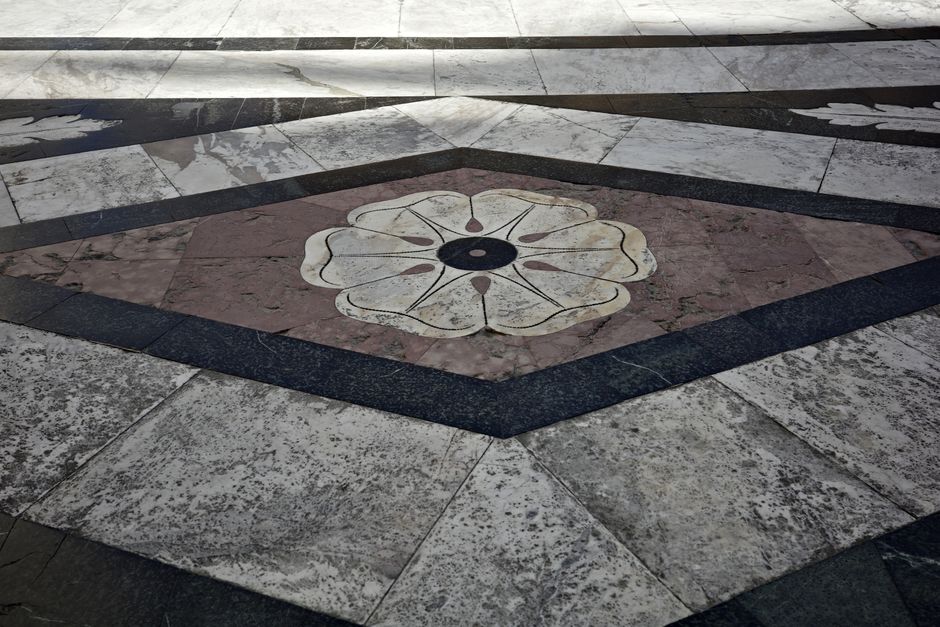
Material labels do not tell the whole story. Finish, texture, absorption, installation quality, and sunlight exposure matter just as much as the name on the box. The examples below are real products and online price snapshots available in 2026. Local stores, freight, sales, and regional stock can change the final number.
| Example | Size and finish | Listed material price | Hot-weather verdict |
|---|---|---|---|
| MSI Metro Gris | 12 x 24 in., matte porcelain | About $2.27 per sq. ft. | Best value for a busy living area |
| MSI Malvera Cream | 12 x 24 in., lapato porcelain | About $5.35 per sq. ft. | Good stone look, but check slipperiness |
| MSI Silver Travertine | 12 x 24 in., honed natural travertine | About $9.43 per sq. ft. | Cool texture, higher care burden |
| MSI White Oak | 12 x 24 in., polished limestone | About $9.24 per sq. ft. | Distinctive, but polished floors need caution |
These price references come from current online listings for MSI 12 x 24 porcelain tile and 12 x 24 natural travertine. They cover tile only, not mortar, trim, delivery, demolition, or labor.
Porcelain wins the practical comparison
Choose matte porcelain if you want predictable cleaning, many stone-look designs, and a lower material cost. MSI Metro Gris is the clear budget pick in this group because its matte 12 x 24 surface suits high-traffic rooms and its listed price sits near the low end. MSI Malvera Cream is the style upgrade when you want a warmer travertine appearance without buying porous stone.
Natural stone wins the sensory comparison
Choose honed travertine or limestone when natural variation and a softer visual character matter more than easy upkeep. MSI Silver Travertine is the stronger comfort choice for a shaded patio room or relaxed bedroom because its honed surface gives feet more texture. It still needs sealing and careful cleaning. Polished limestone looks striking, but it is the weakest choice for wet entries, kitchens, and homes with frequent spills.
How to Choose Tile for Bare-Foot Comfort
Start with the room and the substrate, not the showroom sample. The best-looking tile can feel unpleasant if sunlight overheats it, grout lines collect grit, or the floor flexes underfoot.
Run these checks before buying
- Measure surface temperature. On a sunny day, place an inexpensive infrared thermometer on the existing floor at 10 a.m., 2 p.m., and 6 p.m. If the surface already reaches 90 degrees, solve solar gain before choosing a new finish.
- Check the slab or subfloor. Place a 6-foot straightedge across the floor. Large tile needs a flatter base than small tile. High spots create rocking tiles and cracked grout.
- Decide how much texture you can live with. A lightly textured matte finish improves traction, but deep texture traps sand and pet hair. For indoor rooms, select a surface that feels secure under wet feet without behaving like sandpaper.
- Pick a sensible size. Twelve-by-24-inch tile reduces grout lines and reads cleanly in open rooms. Smaller 8-by-8 or 6-by-6-inch tile gives more visual grip and can follow an imperfect floor more easily.
- Test the grout color. Dark grout absorbs more visual heat and shows dust. Very pale grout shows stains. A medium warm gray hides daily debris without making the floor look dirty.
- Leave expansion space. Tile and concrete move with temperature and moisture. Use the installer’s movement-joint plan at walls, transitions, and large open areas instead of pressing tile tightly against every edge.
Use the sample like a legal exhibit
Ask for at least three full-size pieces. Place them beside a window, under artificial light, and next to the room’s trim. Walk on them barefoot after cleaning and again after wetting one corner. A showroom sample cannot show every shade variation, so review several boxes before approving the order.
My firm recommendation is to reject any tile that becomes painfully hot in the test location, even if the color is perfect. Window shading and layout changes may rescue the room, but the surface itself should not create a daily comfort problem.
What Makes a Cool Tile Floor Fail?
The most common mistake is treating the word cool as a guarantee. A floor can feel cool in January, become hot beside a west-facing window in July, and still cost more to run if the room has poor shading.
Can polished tile work in a hot, wet entry?
Usually, it is the wrong choice. Polished surfaces can become slick when people track in rain, pool water, or perspiration. Use a matte or honed finish with a tested wet slip rating in entries, bathrooms, and pool-adjacent areas. A floor that feels cold but causes falls has failed its main practical test.
What if the room needs softness?
Do not tile every square foot by default. Tile works best in kitchens, hallways, living areas, and rooms that benefit from easy cleaning. A bedroom may feel better with cork, engineered wood, or a washable area rug over tile. Those materials insulate bare feet and reduce impact noise. The tradeoff is less heat transfer and more maintenance around spills.
Why do tiles crack after installation?
Common causes include a moving wood subfloor, poor mortar coverage, an uneven slab, missing movement joints, and heavy furniture placed before the mortar cures. Buying a premium tile does not fix a weak base. If the existing floor flexes, repair that problem before comparing colors or brands.
The Verdict: Best Tile by Hot-Weather Room
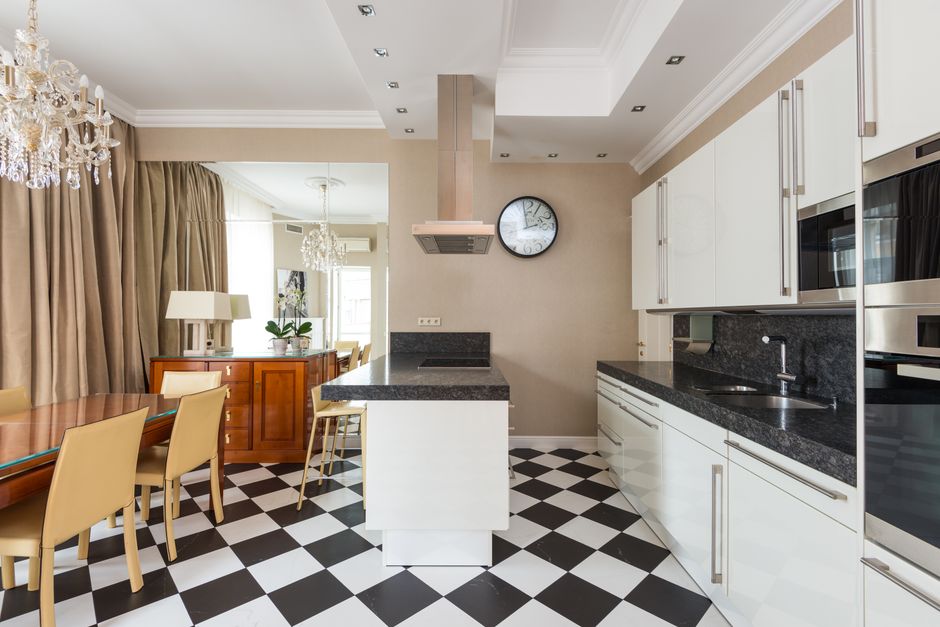
Choose matte porcelain for the best overall hot-weather floor. It gives you the most balanced mix of cool feel, low upkeep, predictable sizing, and reasonable price. Choose honed natural stone only when you actively want its variation and accept sealing, stain control, and a higher material budget.
My room-by-room picks
For a sunny living room, MSI Metro Gris matte porcelain is the clearest value pick at about $2.27 per square foot in the 2026 listing. For a warmer stone appearance, MSI Malvera Cream gives you a 12 x 24-inch lapato porcelain surface at about $5.35 per square foot. For a shaded indoor-outdoor transition, MSI Silver Travertine is the better sensory choice, but its roughly $9.43 per square foot price and sealing needs make it a deliberate design purchase.
For a formal room with no standing water, MSI White Oak polished limestone can work at about $9.24 per square foot. I would not use it as the default family-entry floor. The polished finish raises the slip concern, and natural limestone needs more care than porcelain.
| Priority | Best choice | Reason |
|---|---|---|
| Lowest upkeep and strongest value | Matte porcelain | Consistent, easy to clean, and widely available |
| Most natural texture | Honed travertine | Cool underfoot with visible variation |
| Wet-room safety | Textured matte tile | More grip than polished stone |
| Softest bedroom feel | Cork or wood instead of tile | Less cold and quieter under bare feet |