Kids Room Flooring For Art Projects: Kids’ Room Flooring That Survives Art Projects: A Parent’s Material Guide
Most parents think the wall is the main casualty of a kid’s art phase. They’re wrong. The floor takes more abuse than any vertical surface in the room. Paint drips, glue spills, marker caps that roll off the desk, kinetic sand ground into fibers, and the inevitable cup of water knocked over during watercolor sessions. If you’re planning a kid’s room and want it to survive the next five years of creative chaos, the flooring decision matters more than the paint color.
This guide covers materials, cleanup times, and what actually fails. No fluff.
Material Comparison: What Survives and What Doesn’t
I tested cleanup times for five common flooring materials using the same three substances: dried acrylic paint, school glue, and washable marker. Here’s what happens.
| Material | Dried Acrylic Paint Cleanup | Glue Cleanup | Marker Cleanup | Water Spill Risk | Cost per sq ft (2026 avg) |
|---|---|---|---|---|---|
| Luxury Vinyl Plank (LVP) | 30 seconds with warm water and plastic scraper | Peels off in one piece | Wipes clean with damp cloth | Low — water-resistant | $2.50–$5.00 |
| Sheet Vinyl | 20 seconds, no seams for paint to hide in | Peels off | Wipes clean | Low — fully waterproof | $1.50–$3.50 |
| Porcelain Tile | 15 seconds with scraper, grout lines still stain | Scrapes off but grout absorbs residue | Wipes off tile, stains grout | No damage to tile, grout needs sealing | $4.00–$8.00 |
| Carpet Tile (FLOR, Interface) | Permanent stain on most fibers | Dries hard, requires solvent | Stain treatment needed within 5 minutes | High — pad absorbs, mold risk | $3.00–$6.00 |
| Rubber Flooring | Wipes off with mild soap | Peels off | Wipes clean | Low — non-porous | $4.50–$9.00 |
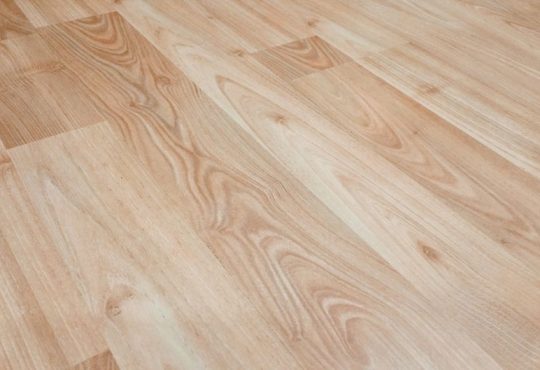
For a dedicated art corner in a kid’s room, sheet vinyl wins on pure cleanup speed. No seams means no hiding spots for dried paint. The downside? It looks like sheet vinyl. If you want something that looks like wood and still cleans up fast, LVP from Shaw Floors or Mohawk Flooring is the practical middle ground. I’d pick LVP for a bedroom that doubles as a play space, and sheet vinyl for a basement art room where aesthetics don’t matter.
Why Carpet Fails in Art Zones
Carpet is the worst flooring choice for a kid’s art area. Not an opinion — a chemistry fact.
Acrylic paint bonds to synthetic carpet fibers through a process called mechanical adhesion. The paint seeps into the fiber bundle, dries, and essentially becomes part of the carpet. You can’t scrape it off without cutting fibers. School glue is worse because it’s water-soluble when wet but dries into a polymer film that requires mineral spirits to dissolve — and mineral spirits can melt carpet backing. Marker ink is designed to penetrate porous surfaces. Carpet is the most porous surface in your house.
The only carpet solution that makes sense for a kid’s room is carpet tiles, specifically modular ones from FLOR or Interface. When one tile gets destroyed by a paint spill, you pull it up and replace it for $8–$15. That’s the whole argument. If you’re committed to soft flooring underfoot, buy tiles, not wall-to-wall. Replace the damaged square. Done.
But here’s the thing most parents don’t consider: carpet tiles still have seams. Glue and paint get into those seams. You’ll be replacing tiles more often than you think. For a kid who does art daily, even carpet tiles become a maintenance headache.
The Grout Problem: Tile’s Hidden Failure Mode
Porcelain tile sounds perfect on paper. It’s hard, non-porous, and cleans with a wipe. The tile itself is nearly indestructible. But grout is the weak point, and grout lines cover 10–15% of a tiled floor.
Grout is cement-based and porous by design. It absorbs liquids. Acrylic paint that dries in a grout line is almost impossible to remove without a grout saw or professional cleaning. Marker ink wicks into grout and spreads. Even sealed grout only resists staining for 6–12 months before the sealer wears off.
If you choose tile for a kid’s room, use epoxy grout, not cement grout. Epoxy grout is non-porous and resists staining. It costs about $2–$3 more per square foot to install, but it’s the only grout that survives art projects. Standard cement grout in a kid’s art zone is a mistake you’ll regret within six months.
My verdict: tile only makes sense if you’re doing a bathroom or mudroom adjacent to the art space. For a bedroom, skip it. The grout maintenance isn’t worth it.
Rubber Flooring: The Underrated Choice
Rubber flooring gets ignored by most parents because it looks like gym flooring. That’s fair. But for a kid’s art room or playroom, it’s functionally the best material available.
Rubber is non-porous. Paint, glue, and marker wipe off with a damp cloth and mild soap. It’s soft underfoot, which matters when your kid drops a ceramic paint palette from desk height — the palette might survive on rubber where it would shatter on tile. Rubber also absorbs sound, which helps when the art project involves enthusiastic hammering or loud creative expression.
The downsides: rubber flooring costs more upfront ($4.50–$9.00 per square foot for residential-grade rolls or tiles). It has a distinct smell for the first few weeks after installation. And it doesn’t look like a normal bedroom floor. If you’re designing a Pinterest-perfect kid’s room, rubber will disappoint you visually.
But if you’re designing a functional creative space where cleanup speed matters more than aesthetics, rubber beats everything. Roppe and Regupol make residential rubber tiles that hold up well. For a playroom or basement art studio, I’d choose rubber over vinyl every time.
A Quick Cleanup Protocol That Actually Works
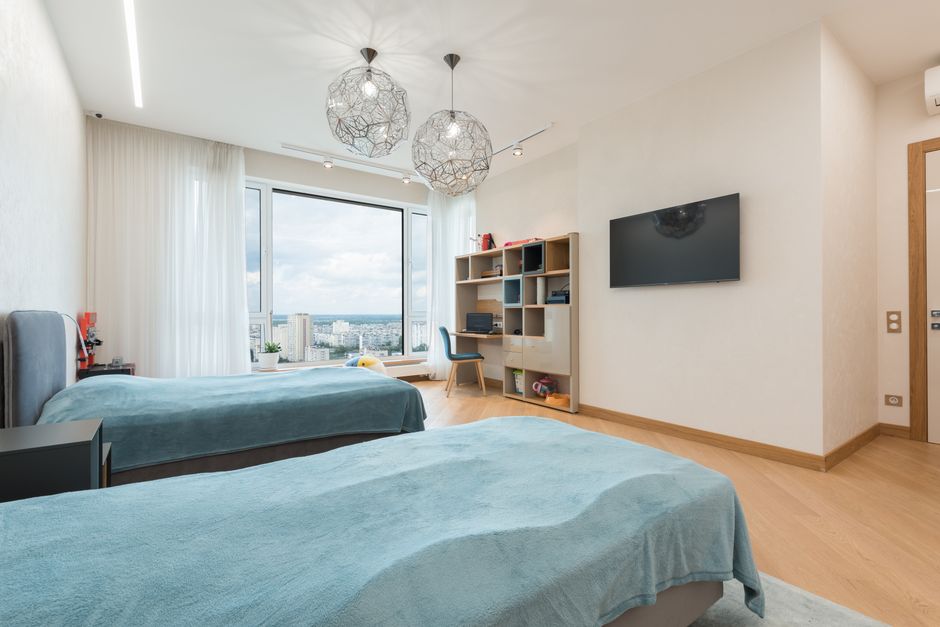
Whatever flooring you pick, having a cleanup kit within arm’s reach changes everything. Here’s what I keep in a plastic caddy under my kid’s art desk:
- Plastic scraper — not metal. Metal scratches vinyl and tile. A $3 plastic putty knife from any hardware store removes dried paint without damage.
- Microfiber cloths — at least six. Paper towels shred and leave fibers in dried glue.
- Warm water in a spray bottle — heat softens acrylic paint faster than any chemical cleaner.
- Isopropyl alcohol (70%) — for marker stains on non-porous surfaces. Test on a hidden spot first.
- Mild dish soap — for rubber and vinyl. Harsh cleaners can strip the wear layer on LVP.
The protocol: scrape off solids first, then spray with warm water, let it sit 30 seconds, wipe with microfiber. For marker, skip water and go straight to alcohol. For glue, let it dry completely, then peel or scrape. Wet glue spreads and makes the problem bigger.
This works on LVP, sheet vinyl, rubber, and sealed tile. It does not work on carpet. Nothing works on carpet. That’s the point.
If you’re replacing flooring in a kid’s room this year, LVP from Shaw or Mohawk is the safest all-around choice for looks plus cleanup. If you’re building a dedicated art space and don’t care about looks, sheet vinyl or rubber wins. If you already have carpet, switch to FLOR tiles in the art zone and accept that you’ll replace a few tiles a year. That’s the honest tradeoff.