
Improve Bathroom Ventilation to Stop Humidity and Mildew
How bathroom ventilation stops humidity and mildew
The fastest path to a drier bathroom is simple: capture moist air at the ceiling, send it outdoors through a short sealed duct, and keep the fan running after the shower. Opening a window can help, but a working exhaust fan gives you a repeatable way to remove steam in cold, hot, or rainy weather.
Why steam becomes a mildew problem
A hot shower can push bathroom relative humidity above 80 percent within minutes. Warm air holds more water vapor than cool air. When that vapor touches a cold mirror, wall, ceiling, or grout joint, it condenses into liquid water. Repeated wetting keeps paint, drywall paper, caulk, and wood trim damp long enough for mildew to grow. The fan does not make the room dry by moving air around. It removes the moisture-laden air and replaces it with drier air from the hallway or a controlled outdoor opening.
Your practical target is 30 to 50 percent relative humidity for the rest of the home and a quick return below 60 percent after bathing. A bathroom can briefly rise higher during a shower. It should not stay there for hours.
Why a fan must exhaust outdoors
A fan that blows into an attic, wall cavity, soffit, or crawl space only relocates the moisture. The warm vapor can condense on roof sheathing or framing, causing hidden rot and mold. The duct should terminate outdoors with a working backdraft damper. Its joints need foil HVAC tape or approved mastic, not ordinary cloth duct tape. This is the core rule: move the water outside the building envelope.
How to size a bathroom exhaust fan correctly
Fan size means airflow, measured in cubic feet per minute, or CFM. A larger number is not automatically better. An oversized fan can waste energy, create drafts, and pull conditioned air from the house. An undersized fan leaves steam behind. For a normal bathroom with a standard ceiling, use the room area as your starting point, then check the duct length and fitting count.
Use this CFM starting point
| Bathroom condition | Starting airflow | Practical choice |
|---|---|---|
| Up to 50 square feet | 50 CFM | Small half-bath or compact shower room |
| 51 to 100 square feet | 1 CFM per square foot | Choose 80 to 110 CFM |
| Over 100 square feet | 100 CFM plus 50 CFM per toilet, shower, or tub | Consider two fans or a larger rated unit |
| Ceiling above 8 feet | Add roughly 20 percent | Account for the extra air volume |
| Long or restrictive duct | Add airflow only after checking static pressure | Prefer a better duct route over a huge fan |
Check the air path, not only the box rating
A fan rated at 110 CFM on an open test rig may deliver much less through a long, kinked, undersized duct. Four-inch ducting is common, but a five- or six-inch route may reduce resistance on higher-airflow installations. Keep the duct as short and straight as possible. Every sharp bend adds resistance. A bathroom door also needs a transfer path. Leave about a three-quarter-inch gap under the door or install a quiet transfer grille so replacement air can enter.
For most 50-to-100-square-foot bathrooms with a short four-inch duct, 80 to 110 CFM is the right starting range. Fix the duct route before paying for a much larger fan.
How to improve an existing bathroom fan first
Before replacing equipment, spend 20 minutes checking the parts that most often fail. A dusty grille, blocked damper, crushed duct, or missing door gap can make a decent fan feel useless. Follow this order.
- Test the pull. Hold a single sheet of toilet paper against the grille while the fan runs. The paper should stay in place. If it falls, inspect the fan, grille, switch, and duct.
- Clean the grille. Turn off the circuit, remove the cover, vacuum lint from the grille and motor housing, and wash the cover with warm soapy water. Dry it completely before reinstalling it.
- Inspect the exterior cap. Ask someone to run the fan while you check the outdoor termination. The flap should open freely. Remove lint, leaves, bird nests, and paint that may hold the damper shut.
- Look for crushed ducting. Flexible duct should not sag into tight folds. Replace damaged sections with smooth, properly supported duct where access allows.
- Seal leaks. Tape loose metal joints with foil HVAC tape. Do not seal a removable grille or service panel. The goal is to keep moist air inside the duct until it exits outdoors.
- Extend the run time. Switch the fan on before bathing and leave it on for 20 minutes afterward. A timer switch makes this automatic.
Use the tissue test again
Repeat the tissue test after cleaning. Then run the shower for five minutes and watch the mirror. A little fog is normal, but a mirror that stays wet long after the shower points to weak capture, poor replacement air, or a blocked exhaust route. If the fan sounds louder after cleaning but moves little air, the duct or exterior damper is the more likely restriction.
This repair-first approach is the best choice when the fan is less than about 10 years old, the motor sounds normal, and the room has no ceiling stains. Replacing a working motor will not correct a duct that ends in the attic.
Which bathroom exhaust fan is the clearest buy?
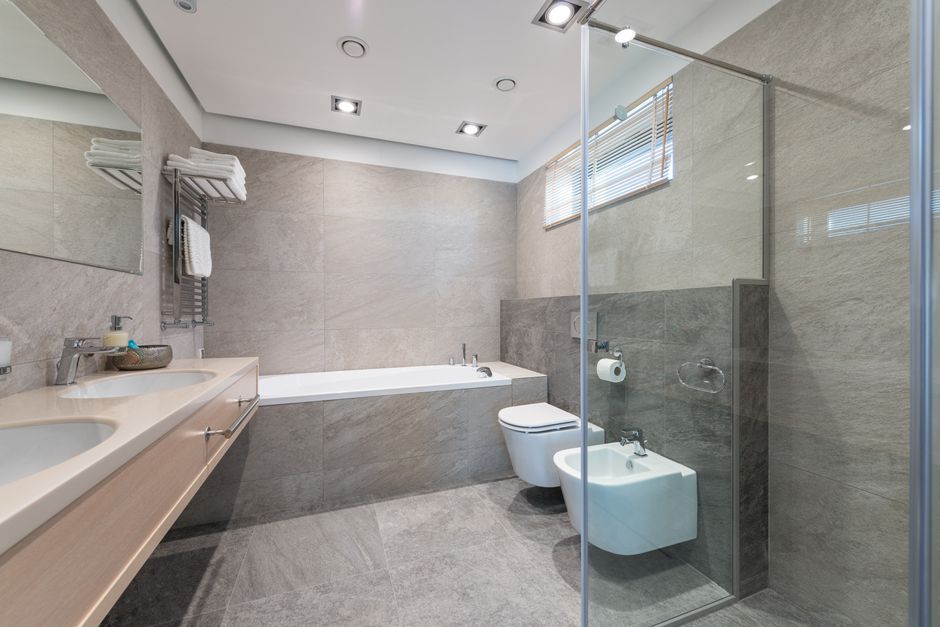
For a typical 50-to-100-square-foot bathroom, my pick is the Broan-NuTone AER110CCTK because it combines 110 CFM airflow, an ENERGY STAR rating, and an integrated LED grille at a listed price of about $160.36. Choose a simpler fan if you do not need lighting. Choose the Panasonic model when quiet operation and selectable airflow matter more than the lowest purchase price.
| Model | Key specification | Listed or typical price | Best use |
|---|---|---|---|
| Broan-NuTone AER110CCTK | 110 CFM, LED light, ENERGY STAR | About $160.36 | Best all-around upgrade for a standard bathroom |
| Broan-NuTone QTXEG110X | 110 CFM, 0.4 sone, ENERGY STAR | About $168 | Best quiet basic exhaust fan |
| Panasonic WhisperCeiling FV-0511VQL1 | Selectable 50, 80, or 110 CFM; LED light; ECM motor | Often priced above basic 110-CFM fans | Best for flexible airflow and low noise |
| Broan-NuTone BHFLED110 | 110 CFM, heater, LED lighting | About $275.13 | Best only for a cold bathroom that also needs heat |
Pick quiet operation for real-life use
A fan that is too loud gets switched off. That defeats the moisture-control plan. The Broan-NuTone QTXEG110X is the strongest choice for a basic quiet installation because its listed noise level is 0.4 sone at 110 CFM. The Panasonic FV-0511VQL1 gives you more control: run 50 CFM for a small powder room, 80 CFM for normal use, or 110 CFM for a steamy shower.
Do not pay for features you will not use
The Broan-NuTone BHFLED110 adds a heater and LED light, but its roughly $275 price makes little sense if the room already stays warm and well lit. A humidity-sensing model can help families who forget to use the switch, but it still needs a clear outdoor duct. The clear verdict is to buy airflow and quiet operation first, then add lighting or heat only when those features solve a real room problem.
When a new fan will not solve bathroom mildew
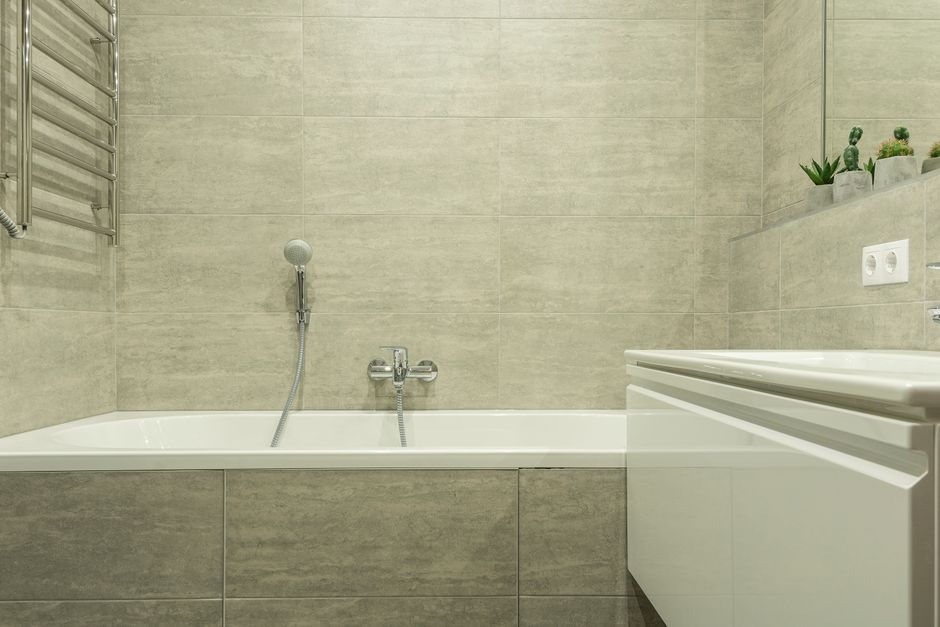
Do not buy a bigger fan until you find the moisture source. Ventilation removes airborne vapor; it cannot repair a plumbing leak, dry saturated drywall, or stop water entering through failed caulk. A larger fan can hide the symptom for a few days while the building materials continue to stay wet.
Check these failure points first
Look beneath the sink, around the toilet supply line, behind the toilet tank, and along the tub or shower valve wall. A slow leak may create a damp smell without leaving a large puddle. Press a dry tissue around fittings after the room has been unused for several hours. Replace cracked caulk and grout, but do not smear new caulk over soft drywall, loose tiles, or blackened material. Those surfaces need drying and, in serious cases, professional repair.
Also inspect cold surfaces. An exterior wall, uninsulated corner, or metal ceiling register can collect condensation even when the fan works. Warm the surface, improve insulation where possible, and keep furniture or storage bins from blocking air movement. Mildew that returns in one exact corner usually points to a cold surface or leak rather than a weak fan.
Know when ventilation is the wrong purchase
If the bathroom has no practical route outdoors, a fan installation may require an electrician, roofer, or HVAC professional. A portable dehumidifier can lower room humidity, but it adds heat, needs a drain or frequent emptying, and does not replace source capture during a shower. Use one as a temporary measure after water damage or in a windowless rental, not as the first choice for a permanent bathroom.
The lasting fix combines a correctly sized fan, a sealed outdoor duct, a clear replacement-air path, and a room that dries between uses. As bathroom controls become quieter and more automatic in 2026, the useful standard remains simple: the room should lose its steam quickly, stay below damaging humidity, and show no new mildew growth after regular bathing.