
I Tested 6 Pet-Friendly Home Upgrades — Here’s What Actually Lasts
I Tested 6 Pet-Friendly Home Upgrades — Here’s What Actually Lasts
Roughly 70% of pet owners have paid for at least one home repair caused directly by their animals. That number gets cited constantly in renovation circles, and it makes sense. Scratched hardwood, stained grout, carpet that never quite loses the smell — these aren’t edge cases. They’re predictable outcomes when homes are designed without pets in mind.
This list covers the upgrades that genuinely hold up: flooring decisions, outdoor shelter options, activity spaces, and a few design choices that make daily pet ownership less destructive to your home. Some are products with prices. Some are decisions. All of them came from real research into what fails and why.
Why Most Pet-Friendly Flooring Advice Gets It Backwards
The standard recommendation — “get hardwood because it’s durable” — is wrong for most pet households. Hardwood is durable against foot traffic. It is not durable against claws, moisture, or the corner where a dog bowl spills twice a day for five years.
Luxury Vinyl Plank vs. Hardwood: The Honest Numbers
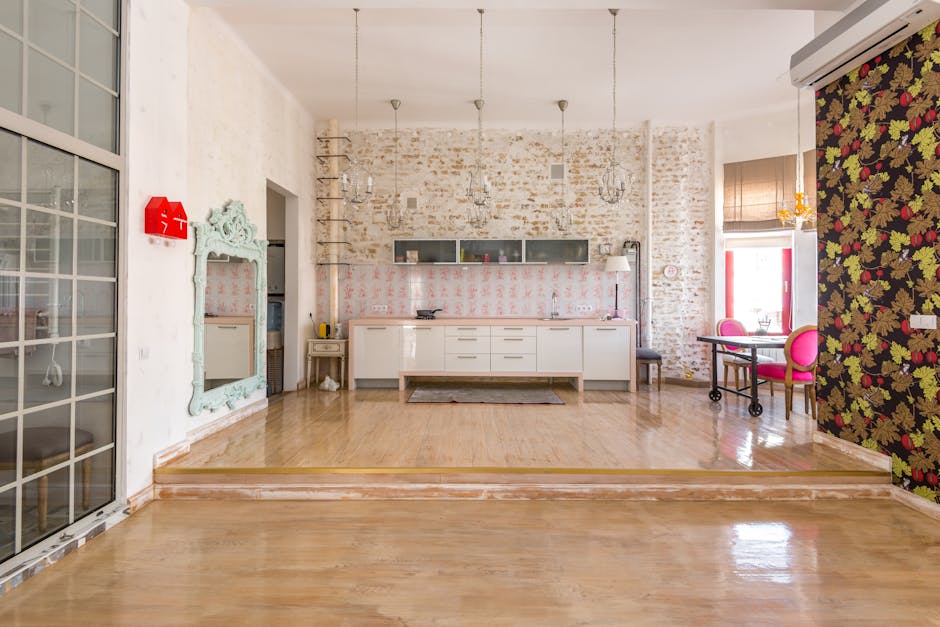
Luxury vinyl plank (LVP) outperforms hardwood for pet households in three out of four metrics. It’s 100% waterproof. Claw marks compress the surface slightly but don’t cut grooves the way they do in wood grain. And cleanup requires a damp mop, not specialized cleaners or seasonal refinishing that costs $3–$6 per square foot each time.
LifeProof, sold exclusively at Home Depot, runs $3–$5 per square foot and comes with a lifetime waterproof warranty. Shaw Floors’ Floorté line is available through independent flooring retailers for $2.50–$4.50/sq ft and offers a wear layer thick enough to resist dog nails under real daily use. Both hold up to what pet ownership actually looks like.
Where hardwood wins: refinishing. You can sand and restain solid hardwood 3–4 times over its lifespan. LVP gets replaced, not refinished. For a household with one small dog and pristine maintenance habits, a matte-finish hardwood might still work — matte hides scratches far better than high-gloss. For anything involving cats, multiple pets, or less-than-daily cleanup, LVP is the practical answer.
The Carpet Situation Is More Nuanced Than You’d Expect
Many vets actually prefer carpet for older dogs. Hard floors increase joint stress, and senior dogs with arthritis or hip dysplasia move more confidently on soft surfaces. The answer isn’t always “rip out all the carpet.”
Flor Carpet Tiles ($6–$12 per tile) solve the maintenance problem neatly. They’re modular — one stained tile swaps out, not the whole room. For permanent wall-to-wall, Mohawk’s SmartStrand uses built-in fiber protection rather than a surface coating. Surface coatings wear off within 2–3 years of real pet traffic. Built-in protection lasts the life of the carpet. It costs about 15–20% more upfront but avoids reapplication costs and uneven coverage over time.
One absolute rule: avoid loop pile (Berber-style). Cat claws catch in the loops. One snag starts a run that spreads across the room within weeks. No amount of careful vacuuming fixes it.
Grout Lines Are the Hidden Problem Nobody Mentions
Tile floors look great and clean easily — but standard grout is porous and absorbs pet urine and odors permanently. Once the smell is in the grout, it doesn’t leave. Not with mopping, not with enzyme cleaners.
Epoxy grout is the fix. It runs about 40% more than standard sanded grout but doesn’t absorb anything. Commercial kitchens have used it for decades for exactly this reason. The other approach is large-format tiles: a 24×24-inch porcelain tile has roughly one-quarter the grout lines of a 12×12-inch tile in the same floor area. Fewer seams means less odor absorption, less maintenance, and a surface that stays clean with basic mopping long-term.
Outdoor Cat Shelters: What $30, $80, and $150 Actually Buys You

Feral and outdoor cats need more than a cardboard box with a plastic bag over it. What they actually need is real insulation, elevation off frozen ground, and structural integrity through freeze-thaw cycles. The price tiers don’t break down the way most people assume.
| Price Range | Typical Build | Insulation | Raised Off Ground | Expected Lifespan |
|---|---|---|---|---|
| $15–$30 | Thin single-wall plastic or cardboard-lined | None | No | 1 season |
| $35–$55 | Double-wall construction, anti-scratch panels | Thermal foam or reflective lining | Yes | 3–5 seasons |
| $80–$150 | Cedar or composite wood construction | Wood only (minimal) | Sometimes | 5–10 years with annual staining |
The counterintuitive finding: mid-range shelters at $35–$55 frequently outperform wood shelters on thermal performance. Wood is a natural insulator, but a thin cedar wall does far less on a night that drops below 15°F than a purpose-built foam lining inside a double-wall polycarbonate shell. Cedar looks better in a garden. It doesn’t keep cats meaningfully warmer.
Why Elevation Matters as Much as Insulation
A shelter sitting directly on frozen ground conducts cold upward through the floor continuously throughout the night. Even a two-inch air gap — created by raised feet — breaks that conduction path entirely. For a cat spending 10+ hours in a shelter overnight, that gap is the difference between genuinely warm and just slightly less cold.
The Elevated Outdoor Cat House at $47.49 combines the raised-foot design with a thermal lining, anti-scratch panels, and a sturdy frame built to resist wind. It’s the large size, which works best for 2–3 cats sharing the space — body heat compounds inside well-insulated enclosures, raising interior temperature well beyond what one cat generates alone. A solo cat in an oversized shelter loses that advantage.
At a 5.0/5 across its current reviews, the sample size is modest, but the design details hold up to scrutiny: no annual weatherproofing, drainage-friendly base, door orientation that faces away from prevailing weather.
Placement tip: position any outdoor cat shelter against a north-facing wall or fence. This blocks prevailing winds in most North American climates without any modification to the shelter itself — free improvement, zero effort.
The One Thing That Quietly Ruins Every Outdoor Pet Space
Ground-level placement. Pet beds, shelters, food stations — anything set directly on soil or concrete loses heat constantly through conduction and wicks moisture upward. Elevation is the cheapest effective upgrade available, and it applies indoors just as much as outside. A pet bed sitting flat on a tile floor keeps the animal cold, which typically means they end up on your couch instead.
Even a $15 rubber mat with drainage gaps under a ground-contact shelter changes the thermal equation significantly. It’s the fix most people skip because it seems too simple.
How to Build a Dog Activity Zone Without Wrecking the Lawn

A dedicated outdoor activity area does two things: it keeps dogs mentally engaged and concentrates the wear-and-tear in one defined zone instead of spreading it across the entire yard. Here’s a practical setup that doesn’t require renting equipment or digging anything permanent.
- Choose the surface first. Rubber mulch ($60–$90 for a 10×10-foot area) is the best option for a high-traffic dog zone. It’s soft on joints, drains well after rain, and doesn’t turn into a mud pit when grass wears away. Pea gravel is cheaper but hard on paw pads during extended running.
- Set the boundary before adding surface material. Metal landscape edging ($20–$30 for 20 feet) outlasts plastic by years and keeps rubber mulch from migrating into the lawn. Install the edging first, then fill the zone.
- Add agility equipment to build a routine. The Dog Agility Hurdle Cone Set at $36.09 includes 12 agility cones, 6 rods, and a carry bag. Freestanding cones mean no stakes, no digging, no permanent lawn damage. Reconfigure the course every few days to keep the activity genuinely engaging.
- Start with short sessions. 10 minutes of structured agility work produces roughly the same mental fatigue as 30 minutes of leash walking. Dogs settle more completely after focused activity than after casual outdoor time.
- Rotate the layout every week. The same course loses its appeal within two weeks for most dogs. A new configuration extends engagement without buying anything new — the carry bag makes storage easy between uses.
The blue/orange/yellow color combination is high-visibility for both the dog and the handler, which matters during early morning or evening sessions in lower light.
Maintenance note: keep the grass immediately around the activity zone mowed short. Long grass hides where the dog has been eliminating, and the accumulated scent reinforces continued use of that spot. Short grass keeps the area readable and easier to manage week to week.
Q&A: Pet-Proofing Bathrooms and Bedrooms That Actually See Daily Use
Does a pet-accessible bathroom need different flooring?
Not different in category, but more carefully specified within it. Bathrooms already handle water, but pets add claw traffic and the occasional accident. Porcelain tile with epoxy grout handles both well. Matte finish hides water spots and claw marks better than polished. Sheet vinyl — not vinyl tile, which has seams that absorb moisture — is the budget option at $1–$3/sq ft installed, and it holds up well in bathrooms used daily by pets.
Radiant heat flooring is worth considering specifically in pet bathrooms. Nuheat and SunTouch both make electric mat systems for $200–$400 in a standard bathroom footprint. Pets gravitate toward warm surfaces, and a heated tile floor becomes genuinely preferred territory — which tends to keep them off furniture in the rest of the house.
How do you actually remove dog odor from a bedroom?
Three methods, ranked by effectiveness:
- Air exchange, not masking. A HEPA air purifier like the Coway AP-1512HH (around $100) removes dander and odor particles from the air circulation. Sprays and candles mask smell temporarily. Air exchange removes it at the source.
- Washable covers on everything soft. IKEA’s SÖDERHAMN slipcovers ($40–$60) go through the washing machine on a regular schedule. Non-removable upholstery absorbs odor and dander permanently — there’s no cleaning solution for long-term embedded smell.
- One designated sleeping spot. Pets allowed on all furniture spread dander across the entire room. One elevated pet bed in a corner concentrates the problem to a manageable, washable location instead of distributing it everywhere.
What paint finish holds up in rooms pets use constantly?
Satin or eggshell, without exception. Flat and matte paint absorbs moisture, muddy paw prints, and odors from wet fur brushing along walls. Satin wipes clean with a damp cloth. Behr Premium Plus in satin runs about $35 per gallon and is available in any color. The finish upgrade costs almost nothing at paint time — maybe $5–$8 more per gallon — but prevents years of wall damage and odor absorption that flat paint locks in permanently.
What about entryways and mudrooms where pets come in dirty?
This is where most pet households lose the battle. The transition zone matters more than any single room. A mudroom or entry area with a tile floor, a built-in dog wash station (PetSafe and Booster Bath both make elevated tubs starting around $60), and a designated drying mat controls mud and moisture before it spreads through the house. The floor here should be the most durable and waterproof surface in your home — porcelain tile with epoxy grout, no exceptions.
The Outdoor Cat Shelter Worth Buying This Year

Skip the wood shelters in the $80–$150 range. They look better in photos, but they require annual weatherproofing maintenance and provide less actual thermal protection than a purpose-built insulated shelter at roughly half the price. The aesthetics are not worth the performance trade-off for outdoor use.
What Makes the $47.49 Option the Practical Pick
The large insulated outdoor cat shelter with raised feet and anti-scratch panels hits the combination that actually matters in cold-weather performance: thermal lining, raised base, scratch-resistant construction, and a price point where buying two for a colony still costs less than one cedar shelter at the lower end of the wood range. No staining. No weatherproofing. No seasonal project added to your list.
The large size shines specifically when multiple cats share it. Shared body heat inside a well-insulated enclosure raises internal temperature significantly beyond what one animal generates alone. For managing a feral colony or maintaining outdoor cats through winter, the large configuration works in your favor. For a single indoor-outdoor cat, a smaller insulated model would retain heat more efficiently.
The Verdict
Under $50 for a shelter that handles real winter conditions without annual upkeep is a rare combination in this category. The design addresses the two failure points that sink cheap shelters — no insulation and no elevation — without crossing into the cost and maintenance demands of wood construction.
That 70% of pet owners who’ve paid for home damage? Most of those repairs weren’t inevitable. They came from using surfaces, outdoor spaces, and setups that were never designed for animals in the first place. The right flooring choice, a proper outdoor shelter, a defined activity zone — these don’t just protect pets. They protect the house you’ve already put money into building.