Outdoor Furniture Materials Compared: Teak, Aluminum, Resin Wicker and HDPE
Which outdoor furniture material will survive your deck or patio without turning maintenance into a second job? The right answer depends less on the color or shape and more on four tests: water, sunlight, wind, and the amount of cleaning you will actually do.
How the four outdoor furniture materials compare
For the lowest maintenance, HDPE wins. Teak gives the warmest natural look, aluminum gives the lightest frame, and resin wicker gives the softest woven appearance. The table shows the tradeoff before cushions, covers, and delivery are added. Prices are listed examples checked in 2026 and can change with finish or promotion.
| Material | Best use | Main strength | Main failure mode | Care level |
|---|---|---|---|---|
| Teak | Covered decks and long-term dining sets | Dense wood, warm grain, graceful silver weathering | Staining, surface checking, or neglected oil maintenance | Low to medium |
| Aluminum | Wind-sheltered patios and movable seating | Light weight and rust-resistant frame | Dents, finish damage, and wind movement | Low |
| Resin wicker | Covered lounges and relaxed seating areas | Comfortable woven look with easy cleaning | Broken strands, fading, and waterlogged cushions | Medium |
| HDPE | Uncovered decks, wet climates, and family patios | Does not splinter, peel, rot, or need sealing | Heavy weight, heat retention, and higher upfront cost | Very low |
Choose the material that removes your biggest chore
If you dislike sanding and oiling, remove teak from the shortlist. If you need to move chairs every week, remove heavy HDPE pieces. If the patio is fully exposed to rain, treat cushions and woven edges as separate risks instead of judging the frame alone.
Use price as a service-cost warning
A low purchase price does not guarantee a low-cost patio. Budget for covers, replacement cushions, finish, hardware, or indoor storage. A $199 chair that stays outside all year may be a better buy than a $799 chair that needs annual refinishing, but only if the cheaper frame and fasteners can handle your weather.
Choose teak when the patio should feel like furniture
My teak verdict: buy it for a covered deck where natural grain matters more than zero maintenance. Teak contains natural oils and has a tight grain, so it handles outdoor moisture better than many common woods. Left untreated, it changes from honey brown to silver gray. That color shift is normal, not a sign that the chair has failed.
What to inspect before buying teak
Check for solid teak rather than a thin teak veneer over another material. Look for stainless steel or corrosion-resistant fasteners, smooth end grain, and drainage gaps around slats. A good example is the Crate & Barrel Paso Natural Teak Wood Outdoor Adirondack Chair, listed at $799 in 2026. The price reflects the cost of a substantial teak chair, not just a teak-colored finish.
The Article Teaka Outdoor Dining Chair costs $349 per chair and measures 35 inches high by 19.5 inches wide by 29 inches deep. It combines a teak frame with synthetic wicker, so inspect both materials before buying. The wood can age well while the woven seat may need different care.
Know when teak is the wrong choice
Do not buy teak for a patio where you want bright white color with no upkeep. Unfinished teak will gray, while oiled teak needs cleaning and re-oiling to keep its brown tone. Do not place it in standing water, and do not coat it with an indoor varnish that cannot move with the wood.
Teak is the best choice for a shaded dining area, a warm traditional design, and an owner willing to accept natural aging. It is a poor choice for a rental property where no one will check stains, pooling water, or loose hardware.
Choose aluminum and resin wicker for lighter upkeep
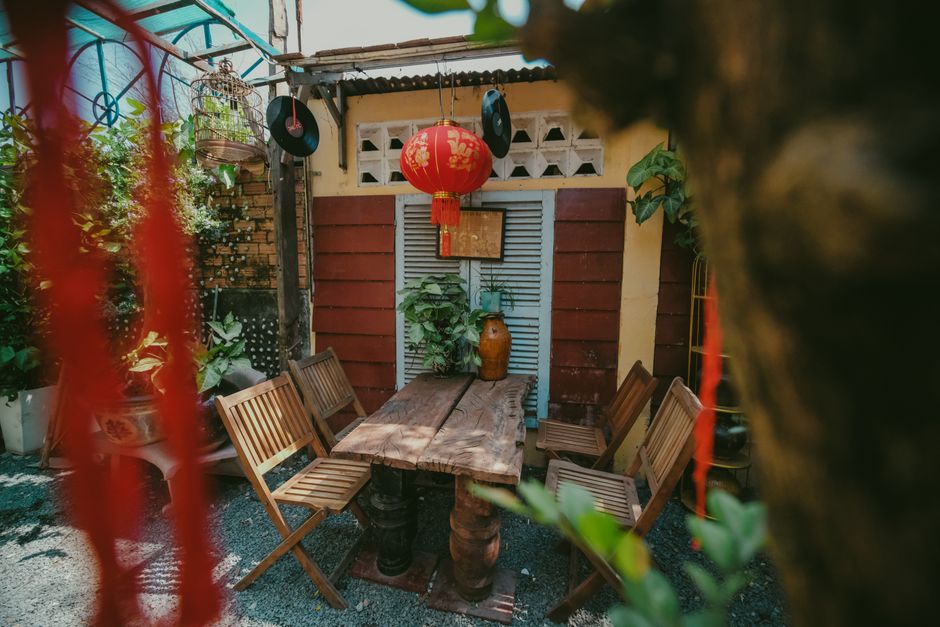
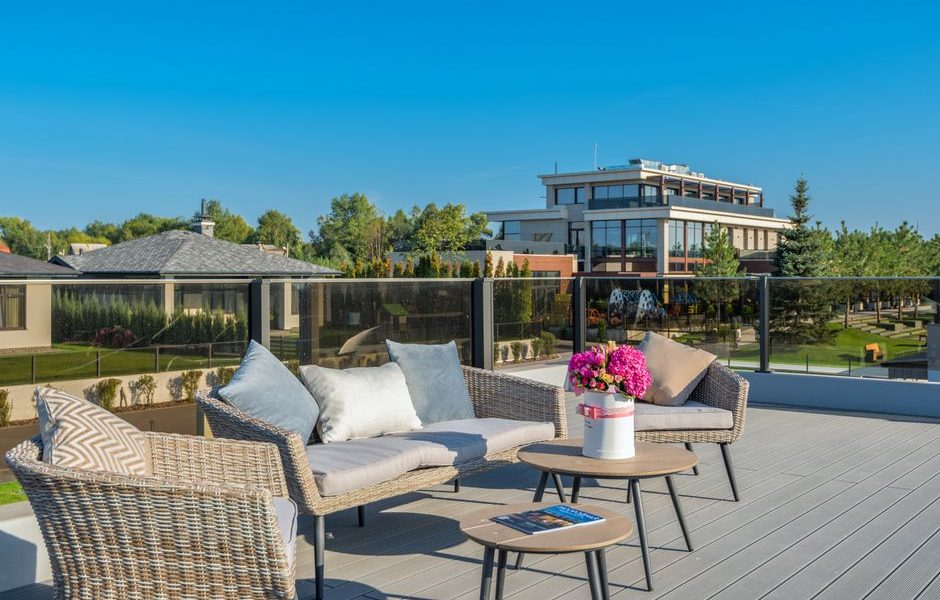
For a movable seating area, choose a powder-coated aluminum frame with tightly woven resin wicker. This combination gives you a light frame and the relaxed look of rattan without using natural plant fiber outdoors. The frame usually resists rust, but the coating and fasteners still need inspection.
- Step 1: Check the frame. Lift the chair with one hand. A lighter frame is useful for storage, but an extremely light chair can slide or tip in wind. Look for welded joints, level feet, and a stated weight capacity.
- Step 2: Check the weave. Press the wicker with your thumb. It should flex slightly without feeling brittle. Loose ends, sharp cuts, and uneven gaps are early warning signs that the weave will unravel.
- Step 3: Check the cushion system. Choose quick-dry foam or removable covers for wet climates. A water-resistant fabric is not the same as a cushion that drains quickly.
- Step 4: Check the care instructions. Use mild soap and a soft brush. Avoid pressure washing because a strong jet can stretch wicker, drive water into seams, and damage the powder coat.
Useful real-world examples
The Article Dalarna Outdoor Lounge Chair costs $349 and combines an aluminum frame with faux wicker. It measures 27 inches high by 25 inches wide by 27.5 inches deep and has a listed 300-pound weight rating. The Article Medan Outdoor Lounge Chair costs $399, weighs 9 pounds, and uses a powder-coated aluminum frame with synthetic wicker. Its 37.5-inch height and 15.5-inch seat height suit a lower lounge layout.
Pick wicker only when you will manage the soft parts
Resin wicker itself can survive years of sun, but cushions often fail first. Store cushions upright after rain, leave space beneath them for airflow, and use a ventilated cover. For a fully exposed patio with no storage, bare aluminum or HDPE is the stronger verdict.
Five material mistakes that shorten patio furniture life
The most expensive mistake is buying for the showroom instead of the storage plan. Use this checklist before placing an order.
- Buying natural wicker for open weather: Natural rattan and cane are not the same as resin wicker. They absorb moisture and need protected, dry conditions.
- Assuming aluminum cannot corrode: Aluminum resists rust, but scratches, cut edges, steel fasteners, and trapped salt can still cause surface corrosion. Rinse coastal furniture with fresh water.
- Sealing teak with the wrong product: Indoor varnish can crack outdoors. If you want brown teak, use an outdoor teak sealer made for movement and follow the cleaning schedule.
- Covering damp cushions: A tight plastic cover traps humidity. Dry cushions first, then use a breathable cover that leaves ventilation around the lower edge.
- Ignoring wind load: Light chairs and tables can become projectiles. Choose heavier bases, stack chairs, or tether furniture before storms. Never rely on a decorative cover to hold a table in place.
- Measuring only the chair width: Add room to pull out dining chairs and walk behind them. Allow at least 36 inches for a comfortable main walkway and check door, stair, and gate widths before delivery.
Use the delivery route as a final test
Measure the narrowest gate, stair landing, elevator, and door. Compare those numbers with the boxed dimensions, not just the assembled furniture dimensions. A chair that fits the patio can still fail at the side gate.
Make maintenance part of the purchase decision
Write down the exact task each material demands. Teak may need cleaning and oiling, wicker may need strand inspection and cushion drying, aluminum may need rinsing and touch-up, and HDPE mainly needs washing. The winner is the material whose task you will actually complete.
Make the final choice in 15 minutes
Use this order so the material decision stays practical instead of turning into a style debate.
- Mark the exposure. Select uncovered, wet, salty, windy, or shaded. Uncovered and wet points toward HDPE. Shaded and design-focused points toward teak.
- Set the movement rule. If you will store furniture every week, choose aluminum or a lighter wicker design. If the furniture stays in one place, HDPE weight is useful.
- Choose the maintenance limit. If you will not sand, oil, or monitor cushions, eliminate teak and cushion-heavy wicker. Choose HDPE or bare powder-coated aluminum.
- Measure the space. Record width, depth, walkway clearance, and the delivery route. A well-made chair that blocks the door is still the wrong chair.
- Compare complete cost. Add covers, cushions, finish, storage, and replacement hardware. Compare that total against the expected years of use.
The clearest material verdict by patio type
For an exposed family deck, choose HDPE. For a covered dining porch, choose teak. For movable chairs in a dry or partly covered space, choose powder-coated aluminum. For a relaxed lounge look where cushions can dry indoors, choose resin wicker over an aluminum frame.
Buy the material that matches your real routine
The best outdoor furniture material is the one that survives your weather and fits your habits. If the furniture must stay outside through every season, HDPE is the safest practical choice. If the patio is protected and visual warmth matters most, teak earns the extra care.