Open-Plan Dining Rooms: How One Solid Wood Table Can Organize the Whole Space
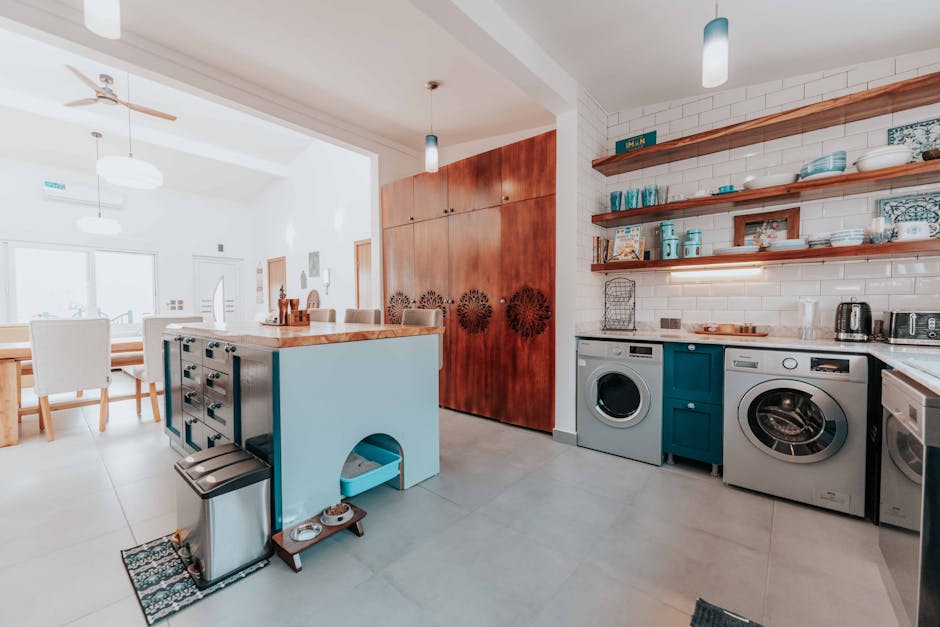
Open-plan kitchens are beautiful when they work and strangely unfinished when they do not. The usual problem is not the cabinetry or the wall colour. It is the missing anchor between cooking, eating, and relaxing. Without a clear centre point, the dining area becomes a pass-through zone instead of a room people naturally gather around.
That is why the current Plank & Beam furniture offer is useful for open-plan homes. A solid wood dining table gives the space visual weight without needing a remodel. It creates a destination, defines the dining zone, and brings warmth into kitchens that lean heavily on stone, tile, and painted cabinets.
Start With the Traffic Pattern, Not the Table Shape
The best dining table is the one that lets people move easily around it. In a rectangular kitchen-living space, a rectangular table usually works because it follows the same line as the island, sofa, or longest wall. In a square nook, a round or smaller rectangular table can prevent the room from feeling boxed in. Leave at least 30 inches of clearance on the busiest sides, especially between the table and kitchen cabinets.
If your kitchen island already has stools, the dining table should feel different from the island rather than competing with it. Use the table for slower meals, homework, weekend breakfast, and casual hosting. That role matters because it gives the room a rhythm: quick seating at the island, longer gathering at the table, relaxed conversation in the living area.
Why Wood Works So Well Beside Modern Kitchens
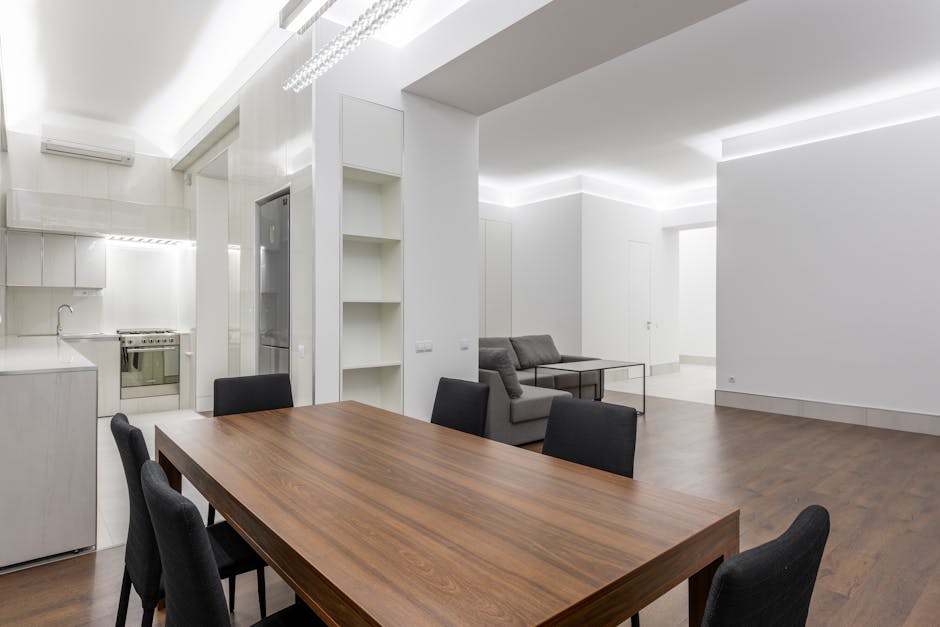
Modern kitchens often combine smooth surfaces: quartz, painted cabinets, stainless appliances, glass pendants, and polished hardware. Those materials are practical, but too many of them together can feel cold. A solid wood table interrupts that smoothness with grain and texture. Even a simple silhouette changes the atmosphere because the material feels tactile and lived-in.
Plank & Beam pieces suit this role because they are straightforward rather than fussy. A clean wood table can handle black chairs for contrast, upholstered chairs for softness, or woven seats for a more relaxed look. The table becomes the steady element while the chairs, rug, and lighting can change seasonally.
Styling the Table Without Making It Look Staged
A dining table in an open-plan room is visible all day, so it needs to look good when it is not set for dinner. Keep the centre simple: one low bowl, a linen runner, or a vase with branches. Avoid tall arrangements if the table sits between the kitchen and living area because they interrupt sightlines and make conversation awkward.
Lighting is the second layer. A pendant above the table tells the eye where the dining zone begins, even when there are no walls. If hardwiring is not possible, a plug-in pendant or a floor lamp near the dining corner can still create the same visual cue. The goal is to make the table feel intentionally placed, not simply parked in leftover space.
What to Measure Before Ordering
Measure the full dining zone, not just the table footprint. Include chair pull-out space, cabinet doors, appliance doors, and the path from the kitchen to the sofa. If you host often, check whether the table size supports the number of seats you actually use. A six-seat table that blocks the refrigerator is worse than a four-seat table that keeps the room easy to live in.
Also compare the wood tone against your flooring. Matching exactly is not required, and often looks too flat. A slight contrast usually works better. If the floor is pale oak, a warmer table adds depth. If the floor is dark, a medium wood table can lighten the room while still feeling grounded.
The Offer Angle
If your open-plan kitchen feels almost right but never quite finished, start with the anchor piece. Browse the Plank & Beam offer and look for a dining table that fits your traffic pattern first, then your style. The right table can make the whole room read as designed, even before you change anything else.