Wood vs. Metal Beds: Which Lasts Longer?
Wood vs. Metal Bed Frames: The Longevity Showdown
Choosing a bed frame is a big decision. It’s not just about style; it’s an investment in your sleep and the overall aesthetic of your bedroom. When it comes to long-term value, the debate often boils down to solid wood versus metal. Which material truly stands the test of time? As an interior designer, I’ve seen both thrive and fail, and I’m here to share my insights.
Understanding the Foundations: Solid Wood
Solid wood bed frames are renowned for their natural beauty and inherent strength. But not all wood is created equal. The type of wood significantly impacts its durability.
- Hardwoods: Think oak, maple, cherry, and walnut. These are your heavy hitters. They’re dense, resistant to dents and scratches, and can withstand years of use. A solid oak platform bed, for example, is a classic choice that can easily last for generations with proper care.
- Softwoods: Pine, cedar, and fir are more budget-friendly but also softer and more prone to damage. While a pine bed frame can be charming, especially in a rustic setting, it might show wear and tear more quickly.
Beyond the type of wood, construction matters. Look for frames with robust joinery, such as mortise-and-tenon or dovetail joints. These are significantly stronger than glued or stapled connections.
Metal Bed Frames: Strength and Style
Metal bed frames offer a different kind of durability and a distinct aesthetic. Often associated with modern or industrial styles, they can be surprisingly versatile and long-lasting.
- Steel: The most common metal used in bed frames. Steel is strong, affordable, and can be finished in various colors and textures. Look for powder-coated finishes, which are more resistant to scratches and rust than painted finishes.
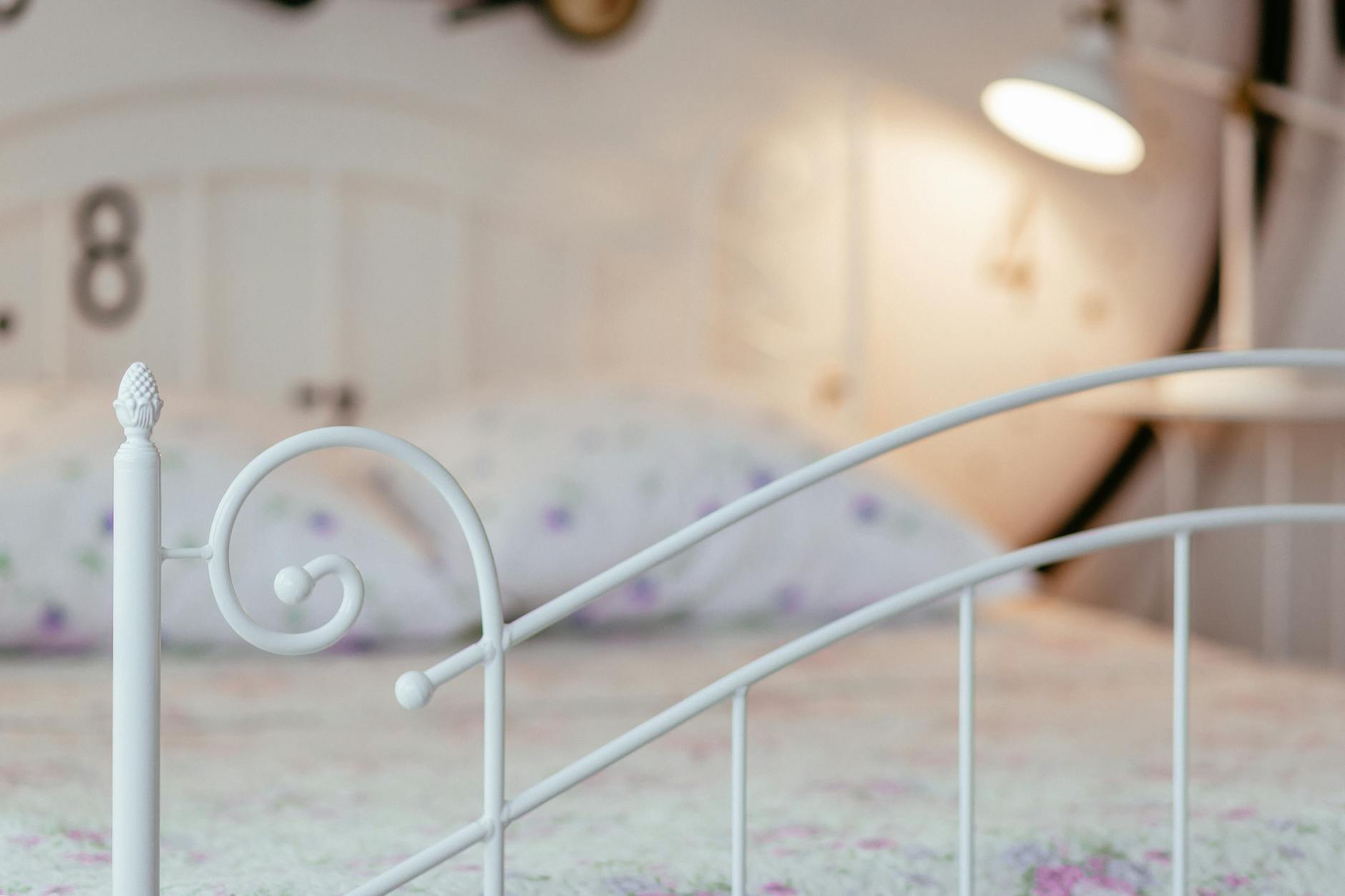
- Iron: Heavier and more traditional than steel, iron bed frames exude a sense of timeless elegance. Wrought iron, in particular, is incredibly durable and can last for centuries.
- Aluminum: While less common for entire bed frames, aluminum is sometimes used for components due to its lightweight and rust-resistant properties.
The gauge (thickness) of the metal is crucial. Thicker metal will be more resistant to bending and breaking. Also, examine the welding quality. Clean, strong welds are essential for a durable metal bed frame.
The Pros and Cons: A Head-to-Head Comparison
Let’s break down the advantages and disadvantages of each material when it comes to longevity:
Solid Wood Bed Frames
Pros:
- Timeless appeal: Wood never goes out of style.
- Warmth and character: Wood adds a natural, inviting feel to a bedroom.
- Repairable: Scratches and dents can often be repaired or refinished.
- Potentially very long lifespan: Hardwood frames with proper care can last for generations.
Cons:
- Susceptible to moisture damage: Wood can warp or rot in humid environments.
- Can be expensive: High-quality hardwood frames are a significant investment.
- Vulnerable to pests: Termites and other wood-boring insects can cause serious damage.
- Can be heavy: Moving a solid wood bed frame can be challenging.
Metal Bed Frames
Pros:
- Resistant to pests: Termites and other insects aren’t a threat.
- Strong and durable: Metal is resistant to bending and breaking.
- Relatively lightweight: Easier to move than solid wood frames.
- Often more affordable: Metal frames can be a budget-friendly option.
Cons:
- Can rust: Especially in humid environments.
- May feel cold or sterile: Metal can lack the warmth of wood.
- Welds can fail: Poorly welded joints can break over time.
- Style can be limiting: May not suit all decor styles.
Factors Affecting Lifespan: Beyond the Material
The material itself is only part of the equation. Several other factors play a significant role in how long your bed frame will last:
- Weight Capacity: Always check the manufacturer’s weight capacity and ensure it’s adequate for your needs. Exceeding the weight limit can significantly shorten the lifespan of any bed frame.
- Mattress Type: Using the wrong type of mattress can put undue stress on the frame. For example, a heavy memory foam mattress might require a more robust frame than a lightweight innerspring mattress. Platform beds need mattresses that don’t require box springs.
- Assembly Quality: Improper assembly can weaken the frame and lead to premature failure. Follow the manufacturer’s instructions carefully and double-check all connections.
- Maintenance: Regular cleaning and tightening of bolts can help prevent problems. For wood frames, consider applying a protective finish or sealant to prevent moisture damage.
- Environment: High humidity, extreme temperatures, and exposure to direct sunlight can all shorten the lifespan of both wood and metal bed frames.
- Usage: How you use your bed matters. If you frequently sit on the edge of the bed, jump on it, or engage in other activities that put stress on the frame, it will likely wear out faster.
Practical Tips for Maximizing Longevity
Here are some actionable tips to help extend the life of your bed frame, regardless of whether it’s wood or metal:
For Solid Wood Bed Frames:
- Control Humidity: Use a dehumidifier in your bedroom, especially if you live in a humid climate. Aim for a humidity level between 30% and 50%.
- Apply a Protective Finish: Consider applying a sealant or varnish to protect the wood from moisture and scratches. Reapply every few years as needed.
- Regular Cleaning: Dust your bed frame regularly with a soft cloth. Avoid using harsh chemicals or abrasive cleaners.
- Inspect for Pests: Periodically check for signs of termites or other wood-boring insects. If you suspect an infestation, contact a professional pest control service immediately.
- Use Bed Risers Wisely: If you use bed risers, make sure they are evenly distributed and can support the weight of the bed and its occupants.
For Metal Bed Frames:
- Prevent Rust: Keep your bedroom dry and well-ventilated. If you notice any rust spots, clean them immediately with a wire brush and apply a rust-inhibiting primer and paint.
- Tighten Bolts Regularly: Metal bed frames often have bolts that can loosen over time. Tighten them every few months to prevent wobbling and instability.
- Lubricate Joints: Apply a small amount of lubricant to the joints of the bed frame to prevent squeaking.
- Protect the Finish: Avoid using harsh chemicals or abrasive cleaners on the metal finish. Use a soft cloth and mild soap and water.
- Consider a Bed Skirt: A bed skirt can help protect the metal frame from scratches and dents.
My Personal Take: A Story of a Lasting Legacy
I once inherited a walnut bed frame from my grandmother. It was easily 80 years old, and still as sturdy as the day it was made. The key? My grandmother meticulously cared for it. She dusted it weekly, avoided placing it in direct sunlight, and even had it professionally refinished once. That bed frame wasn’t just furniture; it was a family heirloom, a testament to the enduring quality of solid wood when properly cared for. While a well-made metal frame will undoubtedly last, that walnut bed taught me the potential longevity and inherent warmth that you can get from natural materials. It also cemented my appreciation for thoughtful craftsmanship and diligent maintenance.
The Verdict: It Depends
So, which lasts longer, a solid wood or metal bed frame? The honest answer is: it depends. Both materials have the potential to last for many years, even decades, if properly chosen and maintained. A high-quality hardwood frame, like oak or maple, with robust joinery, can easily outlast a poorly made metal frame. Conversely, a well-constructed steel frame with a powder-coated finish can be more durable than a softwood frame that’s exposed to moisture and pests.
Ultimately, the best choice for you depends on your budget, your style preferences, your living environment, and how well you’re willing to care for your furniture. Consider these factors carefully, and you’ll be sure to find a bed frame that provides you with years of comfortable sleep and lasting beauty.
Looking for a bed frame that actually lasts? Plank+Beam makes solid wood platform beds — no particle board, no wobbly slats.