Winter Floor Comfort: Boots and Protection Strategies That Hold Up
Winter Floor Comfort: Boots and Protection Strategies That Hold Up
Are your bedroom and bathroom floors turning into an ice rink every January?
Cold tile and hardwood are more than uncomfortable — they signal heat loss, potential moisture damage, and surface wear that accumulates quietly season after season. The good news: there are documented, practical ways to address both problems without a full renovation.
This guide covers what causes cold floors, how to protect them through winter, and where warm waterproof footwear — specifically the kind backed by real buyer data — fits into the picture.
Prices reflect 2026 market data. This is not legal advice — consult a licensed attorney for flooring warranty claims, landlord-tenant floor maintenance questions, or home improvement contractor disputes.
Why Bedroom and Bathroom Floors Feel So Cold in Winter
Cold floors are almost always a heat transfer problem, not a heating problem. Heat moves from warmer areas to cooler ones — and in winter, your floors sit directly above crawl spaces, concrete slabs, or uninsulated joists exposed to outdoor temperatures. Without a thermal break between the subfloor and the living surface, the floor reads significantly colder than the air temperature in the room above it.
In bathrooms, the problem compounds fast. Tile and stone are thermal conductors — they absorb cold quickly and release it slowly. A bathroom with ceramic tile over an uninsulated concrete slab can read 10–15°F colder than ambient air temperature, even with the heat running. That’s not a malfunctioning HVAC system. That’s material science.
The R-Value Gap Most Homeowners Miss
Standard ¾-inch hardwood flooring carries an R-value of roughly R-0.68. Ceramic tile runs even lower — around R-0.08 per inch. Compare that to standard wall insulation, which runs R-13 to R-21 in most residential construction, and you begin to see why floors feel cold despite warm rooms.
Homes built before 1980 are especially vulnerable. Open or minimally sealed crawl spaces were common, and vapor barriers under the subfloor were not standard practice. Courts have generally found in landlord-tenant cases that “habitable conditions” don’t require warm floors per se — but floors with documented moisture damage or mold are a different matter, typically subject to repair obligations in most jurisdictions.
Bathroom vs. Bedroom: Different Problems, Different Fixes
In bedrooms, cold floors are primarily a comfort issue. Area rugs, radiant heating mats, or warm footwear typically resolve the problem without structural intervention. In bathrooms, moisture is the more pressing concern. Cold tile plus steam creates condensation; condensation over time creates mildew. The fix there usually starts with ventilation — an exhaust fan rated at least 110 CFM for bathrooms over 75 sq. ft. — before any floor-warming solution is layered on top.
For bedrooms with hardwood, the structural risk is distinct: wood expands and contracts with temperature swings. A bedroom that runs cold in winter and warm in summer creates conditions for cupping, cracking, and gap formation between boards. Maintaining indoor humidity between 35–55% — achievable with most portable or whole-home humidifiers — does more to protect hardwood long-term than any surface coating or finish product.
Boot Tray vs. Area Rug vs. Warm Footwear: A Practical Comparison
There’s no single solution that handles every cold-floor scenario. The table below compares the most commonly used approaches with honest tradeoffs based on floor type and where the cold hits hardest.
| Solution | Best For | Approximate Cost | Floor Protection | Warmth Benefit | Main Drawback |
|---|---|---|---|---|---|
| Rubber boot tray | Entryways, tile | $15–$40 | High — contains moisture and salt | None | Doesn’t address cold underfoot |
| Area rug (wool or synthetic) | Bedrooms, living areas | $50–$300+ | Moderate — surface padding | Moderate | Traps moisture if wet boots walk on it |
| Electric radiant mat | Bathrooms, tile kitchens | $80–$250 | None — warmth only | High | Installation complexity; ongoing electricity cost |
| Warm waterproof footwear | Indoor/outdoor transition zones | $30–$120 | Moderate — keeps moisture off floors | High | Must be sized correctly; casual aesthetic |
| Diatomite bath mat | Bathrooms | $25–$60 | High — quick-dry surface | Low-moderate | Fragile; requires periodic maintenance sanding |
The honest bottom line: for most households, a boot tray at entry points combined with warm waterproof footwear for transitional movement handles the majority of winter floor problems without renovation. Radiant heating mats are worth the investment in bathrooms you use daily — but only after ensuring the subfloor is adequately insulated first. Heating the surface while cold conducts upward from below largely cancels the benefit.
One practical note on area rugs: wool holds warmth better than synthetic blends and is more resistant to moisture. A wool rug under 6×9 feet can be found through Rugs USA or Safavieh in the $100–$200 range — reasonable for what amounts to daily floor insulation in a cold bedroom.
Hsyooes Women’s Snow Boots: What 11,789 Reviews Actually Reveal
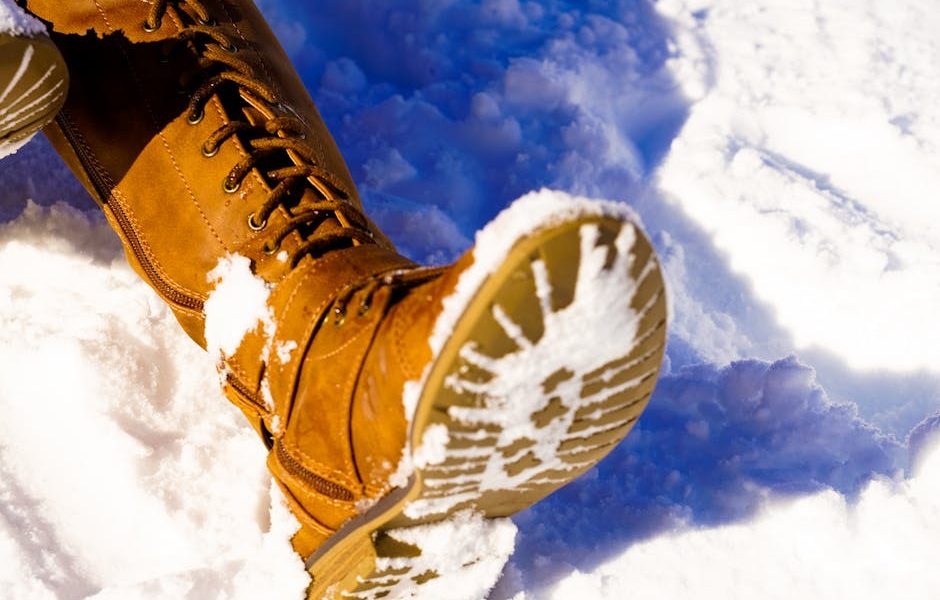
At $35.99 with a 4.3/5 rating from nearly 12,000 verified buyers, the Hsyooes Women’s Fur-Lined Waterproof Snow Boot is one of the more thoroughly documented budget winter boots available. Here’s what buyers actually report — not what the product listing claims.
What Buyers Consistently Praise
Warmth and comfort are the defining strengths, and the reviews are specific. One buyer noted: “Unbelievably comfortable! Lightweight & warm. We bought them for an Antarctica cruise and we wore them the entire time!” Antarctica is an extreme stress test for any boot — not a marketing environment. That observation, repeated across nine independent reviewers flagging warmth and comfort as the standout feature, is hard to dismiss.
Waterproofing holds in snow conditions. A verified reviewer wrote: “I love these waterproof snow boots! They are warm and incredibly comfortable! Truly waterproof too.” The caveat: deep puddles are a different situation. The outer shell repels surface moisture effectively, but standing-water submersion eventually gets through the seams. For typical winter sidewalks and light snowfall, the waterproofing is reliable. For ankle-deep slush rivers, look at the Sorel Tofino II ($150+) or Columbia Bugaboot III, which carry higher submersion ratings and reinforced seam construction. These Hsyooes boots are not built for that.
Traction performs well on ice and packed snow, with buyers consistently reporting good grip in conditions up to roughly 2 inches of accumulation. Multiple buyers specifically call out how easy the boots are to get on and off — a practical feature for quick outdoor trips or cold mornings when you don’t want to deal with laces.
The Documented Problems
Sizing runs large — and this is the most consequential issue. The reviews include specific examples: “Size chart is wrong! First I ordered a 7. It was like an 8½! Returned and ordered 6.” This isn’t an isolated edge case. Order at your standard shoe size and you’ll likely need to exchange. The recommendation across multiple reviewers is to size down at least half a size, possibly a full size. Wide-footed buyers are the exception — the roomy construction works in their favor, especially with thick wool socks.
The insole is thin. At least one buyer noted the fur and insole feel “very thin” compared to expectations. For prolonged outdoor exposure below 20°F, adding a cold-weather insole — Superfeet’s Carbon or Spenco’s Polysorb Cold Weather models both run under $35 — is a practical fix rather than a dealbreaker.
The boot silhouette reads casual, and for some buyers, too casual for public wear. That’s an honest aesthetic limitation. These are not trying to look like Sorel Joan of Artics or Ugg Adirondacks. They function as warm, waterproof slip-ons. As a transitional home-to-car-to-quick-errand boot, the form fits that function well. For $35.99, these fur-lined ankle boots represent a value the competing price points don’t match on warmth alone.
Order a Half-Size Down. Full Stop.
This is the single most important purchasing decision for these boots: size down before you buy.
The size chart in the listing has been flagged by multiple buyers as inaccurate. Standard size 7? Order a 6 or 6.5. Between sizes? Go smaller. Wide feet with thick socks? You may be fine at your usual size — but when in doubt, err toward smaller. The cost of ignoring this is a return label and a second wait, not a minor inconvenience. Getting the size right the first time is the difference between a boot that fits and one that flops.
When Snow Boots Aren’t the Right Choice
Do these work in genuinely extreme cold below -20°F?
Not as a primary boot. The fur lining performs well in the 15–35°F range that covers most temperate winter days. For sustained sub-zero exposure — outdoor work shifts in northern Minnesota or prolonged time outside in upstate New York in February — you need a boot with a removable liner and a certified insulation rating. The Baffin Cush (rated to -40°F, around $80) and the Kamik Nation2 (also rated to -40°F, around $65) are purpose-built for those conditions. The Hsyooes boot is a casual urban winter boot, not a technical cold-weather boot.
Are they appropriate for winter hiking trails?
No. Urban ice and packed-snow traction is documented and reliable. Winter hiking trails are a different problem — uneven terrain, ice over rocks, sustained elevation changes. The Merrell Thermo Chill Mid Shell WP ($110–$130) and the Salomon X Ultra Winter CS WP ($140–$160) are built specifically for that purpose. Use the right tool for the terrain.
What about prolonged standing on hard floors indoors?
Fine for short durations, less comfortable for extended standing. The thin insole that reviewers flag becomes relevant after an hour or more on hard tile or concrete. If you’re wearing these through a long day of cooking or standing on a cold kitchen floor, add an aftermarket insole from the start. The outer construction is comfortable, but the base cushioning is intentionally minimal to keep weight and bulk low — a deliberate design tradeoff.
How Salt and Winter Moisture Damage Your Floors
Most floor damage from winter footwear is cumulative and slow — which is why homeowners attribute it to normal wear and miss the prevention window. Here’s the documented progression:
- Salt residue etches finish layers. Road salt (sodium chloride) tracked indoors draws moisture and creates micro-abrasions in hardwood finish coats. Over a season, this dulls the surface. Over several seasons, it reaches the wood beneath the finish.
- Moisture swells wood fibers locally. Snow-wet boots on hardwood cause localized swelling. When it dries, the wood contracts — but repeated cycles produce cupping along board edges and eventual separation at joints.
- Grout absorbs chloride ions. Tile itself is largely impervious. Grout is porous. Salt-and-moisture contamination across multiple winters degrades the grout binder, leading to cracking and eventually loose tiles that require professional repair.
- The entry zone absorbs the worst of it. The 3–4 feet inside any exterior door accumulate the heaviest winter wear. A rubber boot tray with raised edges — the WaterHog Boot Tray ($28–$35) is widely used for this purpose — contains moisture and salt at the source. Among the highest-ROI floor investments available, before renovation is ever considered.
- LVP and vinyl flooring are more forgiving. Luxury vinyl plank and sheet vinyl don’t swell with moisture the way hardwood does. The primary winter concern for those surfaces is surface scratching from tracked-in grit — a quality entrance mat addresses this without additional intervention.
Courts have generally found in flooring warranty disputes that documented maintenance records — including consistent use of entry mats and boot containment systems — influence outcomes when homeowners seek warranty coverage for surface damage. The distinction between preventable damage and normal wear typically hinges on whether basic protective measures were in place and in use.
The Winter Floor Comfort Verdict
For most homes, the answer is not complicated: a rubber boot tray at every exterior entry point, a warm waterproof slip-on for transitional indoor-outdoor movement, and a quick-dry bath mat in bathrooms. That combination handles the majority of winter floor and comfort problems without a renovation budget.
The Hsyooes boot earns its 4.3/5 rating. Warmth holds up in real conditions — including, apparently, Antarctica. Waterproofing works in snow. Traction performs on ice. Slip-on convenience is documented across dozens of independent reviews. At $35.99, the value case is clear for anyone who needs a casual winter boot without a $150 price tag.
The tradeoffs are manageable with one rule: size down before you order. Consider an aftermarket insole for sustained cold below 20°F. Understand that the silhouette runs casual. See current availability and sizing details here — and order at least a half-size smaller than your usual.
For the floors themselves: the entry zone is where protection matters most. Salt and moisture cause the heaviest damage in the first 4 feet inside any exterior door. A $30 boot tray prevents the kind of cumulative surface damage that runs several hundred dollars to refinish. That’s the documented pattern in flooring contractor repair records across cold-climate states — not a theoretical projection.
The single most important takeaway: winter floor protection starts at the door, not at the finish coat.
This article covers general home comfort and product information for educational purposes only. This is not legal advice — consult a licensed attorney for flooring warranty claims, landlord-tenant maintenance obligations, or home improvement disputes specific to your jurisdiction.