How to Choose a Large Area Rug for Bedroom or Living Room
How to Choose a Large Area Rug for Bedroom or Living Room
How do you pick an 8×10 area rug that actually looks right, stays put, and doesn’t turn into a shedding disaster after two weeks?
That’s the question most people don’t ask until they’ve already made at least one expensive mistake. A rug that looked perfect in the photos arrives and slides across the hardwood floor. Or it sheds so aggressively that the vacuum fills up every other day. Or it’s the wrong size — and now the entire furniture arrangement looks off.
This guide covers exactly how to choose, size, place, and maintain a large area rug. Two products from UKISS came up consistently during research as standout options in the washable, non-shedding 8×10 category under $115. But the framework here applies to any rug you’re weighing.
Getting the Size Right Before You Buy Anything
Most rug buying mistakes start here. People eyeball a space, guess that 8×10 sounds about right, and order without measuring. Here’s the actual process — in the order that matters:
- Measure your room first. An 8×10 rug (96 inches x 120 inches) works well in rooms that are at least 12×14 feet. In a 10×12 room, an 8×10 leaves almost no bare floor visible — it can feel suffocating rather than grounded.
- Apply the furniture placement rule. For living rooms, the standard approach is front legs on, back legs off. Every major seating piece should have at least its front two legs resting on the rug. This ties the seating area together without needing to cover the entire floor.
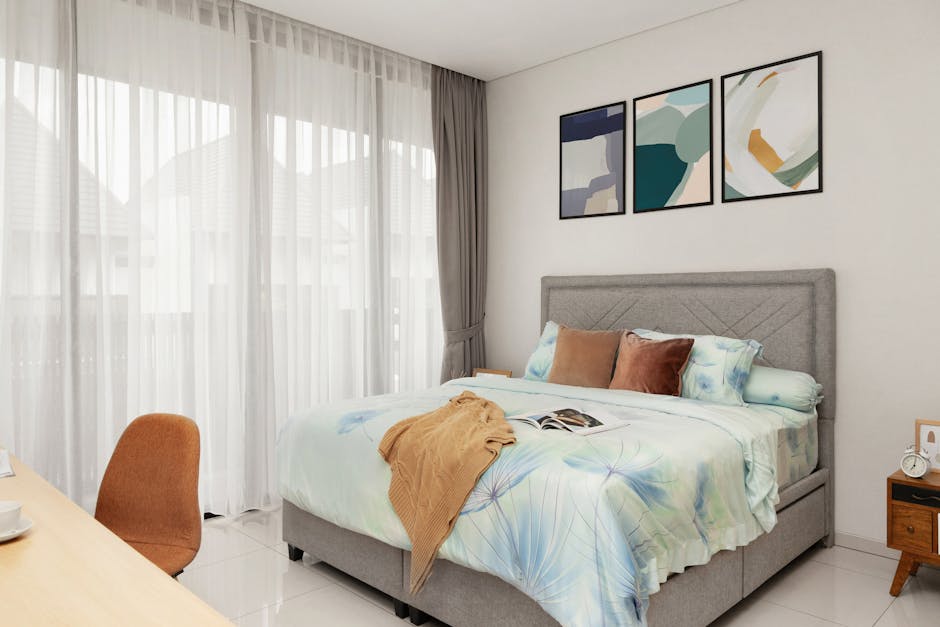
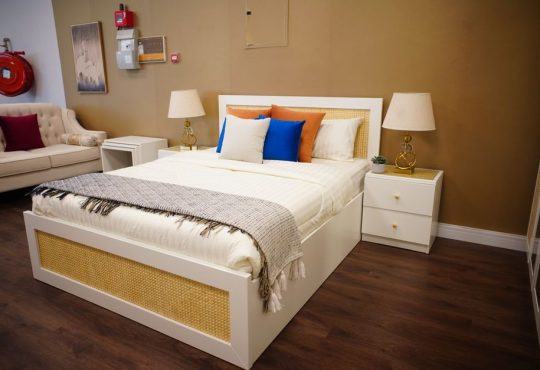
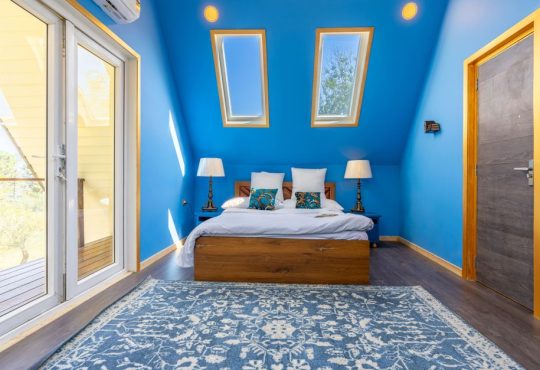
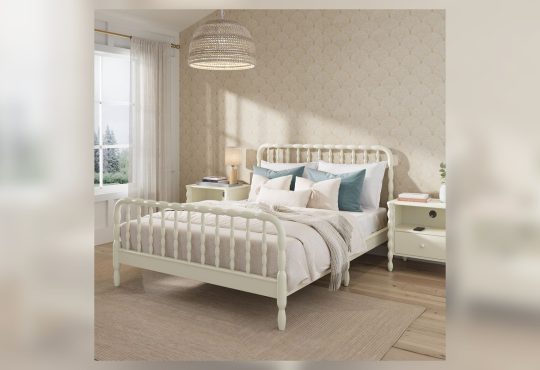
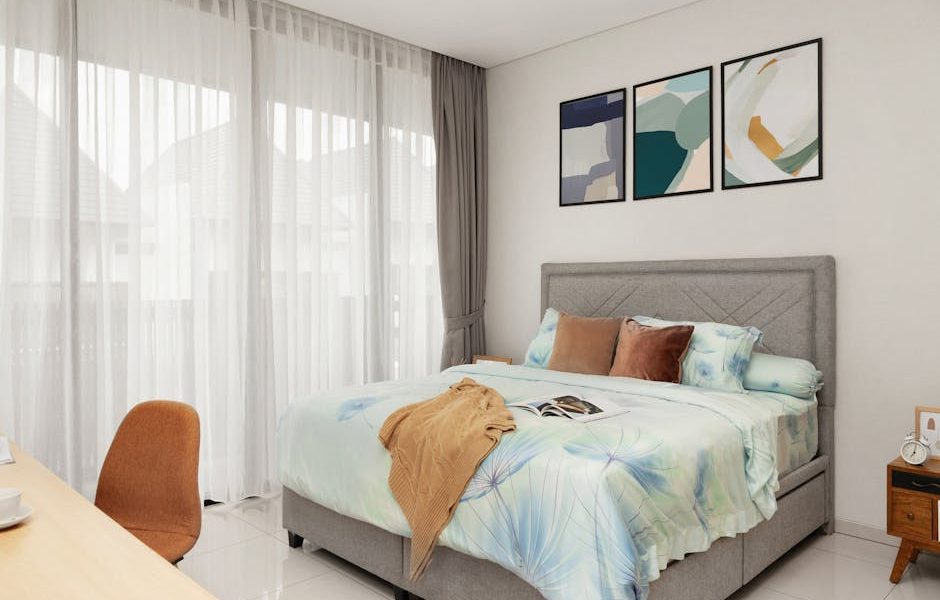
- For bedrooms, go under the bed. Position the rug so it extends at least 18 to 24 inches beyond the sides and foot of the bed. An 8×10 under a queen bed works well. For a king, consider stepping up to a 9×12 instead.
- Tape the floor before ordering. Use painter’s tape to mark the exact rug footprint on your floor. Live with it for a day. It sounds excessive. It saves the return hassle.
- Check wall-to-rug clearance. Aim for 12 to 18 inches of bare floor between the rug edge and the wall. This makes the placement look deliberate, not like a carpet that ran out of room.
When 8×10 Is the Wrong Size
An 8×10 is not always the right call. If your living room is a narrow rectangle — say, 11×16 — a runner-style arrangement or two coordinating smaller rugs placed side by side often reads better than a single large piece. On the opposite end, if your open-concept space runs 20×20 feet with multiple seating zones, a single 8×10 will look like a bath mat dropped in the middle of a gymnasium. Proportion matters more than following a size rule.
Free Tools That Actually Help With Visualization
IKEA’s room planner and Wayfair’s AR preview feature both let you visualize rug placement before buying. Neither is perfect — colors don’t translate accurately from screen to room — but for checking sizing and proportion, they catch obvious mismatches before you spend $100 on a return shipment.
Why Pile Height Changes Everything in a Rug
Pile height determines nearly every day-to-day quality of a rug. How it feels underfoot. How much it sheds. How easy it is to vacuum. Whether a wheeled office chair rolls across it smoothly or fights you. Whether it traps pet hair or releases it. Product pages rarely explain this clearly, so here’s the breakdown:
Pile height is measured in inches. Most rugs fall into three categories:
- Low pile (under 0.5 inches): Easy to vacuum, minimal shedding, handles furniture weight without matting. Works well in high-traffic areas, under dining tables, and in any room where pets or kids are a factor.
- Medium pile (0.5 to 1 inch): The sweet spot for most bedrooms and living rooms. Soft enough to feel comfortable barefoot, still practical enough to maintain without a dedicated rug vacuum.
- High pile or shag (over 1 inch): Luxurious in photos, demanding in practice. Shag rugs shed heavily for the first three to six months. Vacuuming requires a suction-only setting — beater bars tangle in the fibers. Not ideal for allergy-prone households or homes with pets.
The UKISS 8×10 Vintage Diamond rug is a low-pile design — which sounds less exciting on paper but matters enormously in practice. Low-pile rugs don’t trap pet hair the way a shag does. They clean faster. And because the pile isn’t fighting gravity in every direction, the pattern holds its shape over time instead of looking matted after a year.
Faux Silk: What It Actually Is and Where It Belongs
Faux silk is typically made from polyester microfiber. The fibers are extremely fine — much finer than standard polyester — which creates a slight sheen and a softer drape. It’s not as durable as wool. It won’t hold up to years of chair wheels or heavy furniture being dragged across it. But in a bedroom where foot traffic is light? It looks polished and feels noticeably soft underfoot.
Compared to real silk rugs — which can run $800 or more for an 8×10 from brands like Safavieh’s Silk Road collection or Nourison’s hand-tufted lines — faux silk gives you roughly 80% of the visual effect at 15% of the cost. The trade-off is longevity. Expect 5 to 8 years of good appearance versus 20-plus years for a hand-knotted wool piece. For most people in a bedroom context, that’s an acceptable exchange.
Faux Rabbit Fur Embossed: A Different Texture Entirely
The UKISS beige faux rabbit fur rug at $109 uses an embossed manufacturing technique to mimic the directional softness of fur without animal fiber. Run your hand one direction and it’s smooth. Reverse direction and there’s a slight resistance — the same way real fur behaves. This creates visual depth that flat-weave rugs simply don’t have.
The beige colorway reads as warm white in bright natural light and shifts toward cream in dimmer evening lighting. It pairs naturally with greige walls, light oak furniture, and linen upholstery. It’s a better bedroom rug than a living room rug — the texture direction shows more in low foot-traffic contexts where it won’t get compressed into uniformity.
Washable vs. Non-Washable Rugs: What the Difference Actually Costs You
A side-by-side look at the UKISS rugs and five alternatives commonly considered in the same price range and size:
| Rug | Price (8×10) | Machine Washable | Pile Type | Non-Slip Built In | Rating |
|---|---|---|---|---|---|
| UKISS Vintage Diamond (Blue) | $109.99 | Yes | Low-pile faux silk | Yes | 4.8/5 |
| UKISS Faux Rabbit Fur (Beige) | $109.00 | Yes | Low-pile embossed | Yes | 4.8/5 |
| Ruggable Classic Solid (8×10) | $179 | Yes (two-piece system) | Flat-weave | Requires separate pad | 4.4/5 |
| nuLOOM Moroccan Blythe (8×10) | $92 | No | Low-pile | No | 4.3/5 |
| Safavieh Berber Shag SGP219 (8×10) | $135 | No | High-pile shag | No | 4.2/5 |
| Mohawk Home Strata (8×10) | $98 | No | Medium pile | No | 4.1/5 |
The key differentiator for the UKISS rugs isn’t just washability — it’s that they’re washable and non-shedding and non-slip, all in one product at under $110. Most rugs in this price range force you into trade-offs. The nuLOOM Blythe is cheaper and looks good, but you’ll need to buy a separate rug pad ($30 to $50) to use it safely on hardwood, and it can’t go in the wash when the dog tracks mud across it.
Ruggable is the other major washable rug brand. Their two-piece system — a removable fabric cover plus a grippy pad — works reliably, but costs significantly more ($179 for the equivalent size), and the flat-weave construction won’t feel as soft underfoot as faux silk. If washability is the priority and budget isn’t a constraint, Ruggable is a legitimate option. If you want washability plus softness under $110, the UKISS rugs have a clear edge in this comparison.
The Non-Slip Problem on Hardwood Floors
On hardwood or polished tile, a rug without proper backing is a genuine safety hazard — not a minor inconvenience. Any rug that lacks built-in grip requires a separate rug pad underneath it, adding $25 to $60 to the total cost and one more thing to wrestle with every time you clean. The UKISS rugs include integrated non-slip backing, which eliminates the separate purchase and the frustration of a two-piece system that shifts out of alignment every few weeks.
Five Mistakes People Make When Buying an 8×10 Rug
1. Buying High-Pile Without Understanding the Shed Timeline
High-pile rugs — especially imported polyester shags — shed heavily for the first three to six months after purchase. Many buyers mistake this for a defective product and request returns. It’s not defective; it’s just how these rugs behave as loose fibers from manufacturing work their way out. If you want a softer look without the shedding management phase, look specifically for rugs marketed as non-shedding. Low-pile construction is usually the reason behind that claim — shorter fibers have less surface area exposed to friction.
2. Not Checking the Washing Instructions Until There’s a Stain
A rug labeled spot-clean only means exactly that. Many buyers skip this detail until something gets spilled. Then they discover they can’t machine wash an 8×10 non-washable rug and end up either living with the stain or paying for professional rug cleaning, which runs $80 to $120 for a large piece. If your household involves kids, pets, or anyone who eats near the living room floor, buy washable from the start. The UKISS 8×10 Vintage Diamond rug at $109.99 is machine washable — cold wash, gentle cycle, tumble dry low. That single feature is worth more in practical terms than most spec comparisons.
3. Placing the Rug So All Furniture Legs Are Completely Off It
A common overcorrection after learning the “front legs on” rule is going too far the other direction — pushing the rug back until every piece of furniture is completely off it. This makes the seating area feel disconnected from the floor anchor. The rug becomes decoration rather than structure. Front legs on, back legs off works for sofas. All four legs on for accent chairs and small side tables.
4. Choosing a Pattern Scale That Fights the Room
Large rooms need bold patterns. A delicate all-over geometric in a 20-foot living room disappears from across the space — it reads as texture rather than pattern. Conversely, a giant single medallion in a 12×14 bedroom can feel overwhelming. The vintage diamond repeat on the UKISS blue rug scales well for both medium and large rooms. The repeat is large enough to read at distance but doesn’t dominate the visual field.
5. Skipping the 6-Month Rotation
Traffic patterns cause uneven wear. The spot in front of the sofa where everyone plants their feet wears faster than the area behind the coffee table that nobody touches. Rotating your rug 180 degrees every six months distributes this wear evenly and meaningfully extends the rug’s lifespan. Takes about 90 seconds. Almost nobody does it.
Questions Buyers Ask After the Rug Arrives
How do I get the rug to lie flat after shipping?
Rolled rugs arrive with memory baked into the backing. The fastest fix: unroll the rug, place it face-down on a clean floor for 24 hours, then flip it over. Alternatively, set heavy furniture on the curled corners for a day or two. Avoid using a hair dryer or steam on faux silk pile — heat distorts synthetic fibers and can permanently alter the texture.
Can I machine wash an 8×10 rug at home?
Yes — but only in a front-loading machine with a drum capacity of at least 4.5 cubic feet. Top-loading machines with a central agitator can twist and damage the rug backing. Use cold water, gentle cycle, and a small amount of mild liquid detergent. Skip fabric softener entirely. It coats synthetic fibers and degrades their texture over time. For drying, either lay the rug flat outdoors or use a large commercial dryer on low heat. Never high heat on faux silk.
Is faux silk appropriate for high-traffic areas?
No. That’s an honest answer. Faux silk polyester microfiber is best suited for bedrooms and formal sitting rooms — spaces that see light, consistent foot traffic but not daily heavy use. For hallways, entryways, or living rooms with active kids running through constantly, a wool blend, polypropylene, or nylon construction holds up far better over time. The Mohawk Home Strata at $98 and nuLOOM’s Blythe collection at $92 are both more durable options for hard-use spaces, even though they lack the washability and non-slip backing of the UKISS rugs.
Which of the two UKISS rugs is the better buy?
- Buy the blue diamond version ($109.99) if you want a rug that defines and anchors a room visually. The geometric pattern works well in living rooms with solid-color upholstery or bedrooms that need a focal point.
- Buy the beige embossed version ($109) if you want the room to feel softer and more neutral. The directional texture adds depth without competing with other patterns or colors already in the space. Better suited to Scandinavian, organic modern, or layered-neutral interiors.
- Buy neither if your space sees genuinely heavy daily traffic. At that usage level, a wool or polypropylene rug will outlast either UKISS option by several years, and the durability trade-off becomes financially significant over time.
For most bedrooms and moderate-use living rooms, both UKISS options deliver strong value at under $110: machine washable, non-shedding, non-slip, and soft enough for barefoot use. The diamond version edges ahead slightly for living rooms. The beige embossed version is the stronger bedroom pick.