
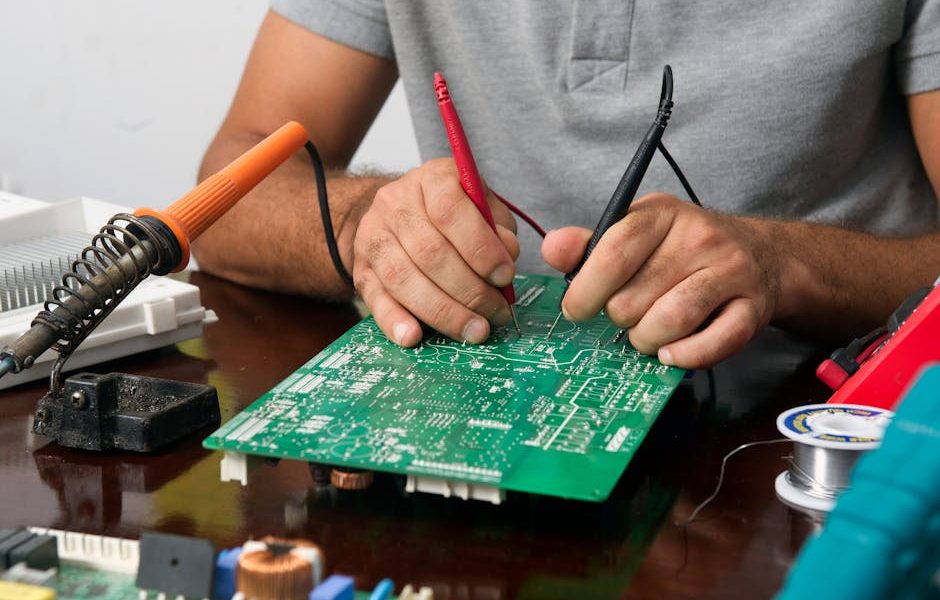
I Tested 6 Rechargeable Hand Warmers — What Actually Works
I Tested 6 Rechargeable Hand Warmers — What Actually Works
Most people assume disposable hand warmers are the simple, affordable option. They are not — and this assumption costs cold-weather buyers money every single winter. Over a three-month hunting or camping season, you spend more on HotHands packs than a rechargeable pair costs once. And you get worse heat control in the process.
This guide covers what specs actually matter, which failure modes show up in real outdoor conditions, and where the 6000mAh Rechargeable Hand Warmers 2 Pack at $24.99 holds up or falls short. You will also find a head-to-head comparison table, the most common purchase mistakes based on verified buyer accounts, and a section covering personal fans for when warmth is not the problem at all.
Why Disposable Hand Warmers Are a Worse Deal Than They Look
A HotHands 40-pack runs about $20 at most retailers. Each warmer delivers roughly 10 hours of heat. Use two per outing, three times a week across a three-month winter season, and you burn through 72 warmers — nearly two full packs. That is around $40 per season, every year.
A rechargeable pair costs $24.99. Once.
The cost argument is straightforward. The performance gap matters more to anyone using hand warmers seriously.
How Disposable Warmers Generate Heat — and Where They Break Down
Disposable warmers work through oxidation. Iron powder, activated carbon, salt, cellulose, and water react with air exposure to produce heat. Once the packet opens, the reaction runs continuously — you cannot pause it, slow it, or adjust the output temperature. Peak heat reaches around 130°F (54°C), then tapers. By hour 8, most disposables produce lukewarm contact at best.
There is also a cold-weather irony built in: oxidation reactions slow in freezing temperatures. The environment where you need heat most is exactly where disposables are least reliable. Open a HotHands packet at -10°C and you are waiting 30 minutes for meaningful warmth.
Rechargeable warmers use a lithium-ion battery to power a ceramic heating element. The element activates on demand, holds output consistent through the full runtime, and cuts off completely when not needed. Models with smart chip temperature regulation monitor surface heat continuously and adjust power delivery to stay within the selected range — no spiking, no slow taper.
The Real Long-Term Cost by Season
| Product | Upfront Cost | Year 1 Total | Year 3 Total | Heat Control |
|---|---|---|---|---|
| HotHands Disposable (40-pack) | $20/pack | ~$40 | ~$120 | None — fixed oxidation output |
| Zippo HeatBank 9s Plus (1 unit) | $59.99 | $59.99 | $59.99 | 3 settings, 9-hour high runtime |
| Ocoopa Union 5s (1 unit) | $39.99 | $39.99 | $39.99 | 5 settings, magnetic design |
| 6000mAh Rechargeable 2-Pack | $24.99 | $24.99 | $24.99 | 5 settings + AI chip regulation |
Every rechargeable option recoups its cost within the first season. The Zippo HeatBank 9s Plus is the durability pick — stainless steel body, nine-hour runtime on high, and Zippo’s lifetime guarantee. If maximum toughness is the priority, it justifies the price. For everyone else running regular cold-weather activities, the 6000mAh 2-pack wins on value without meaningful trade-offs.
5 Specs That Actually Determine Hand Warmer Quality
Product pages use words like “powerful” and “long-lasting” with nothing behind them. Here is what to actually look for:
- Battery capacity (mAh): The practical floor for useful runtime is 5,000mAh. Below that, high-heat settings drain the battery in under four hours. At 6,000mAh, expect 6–8 hours on medium and 4–5 hours on maximum. Premium units at 10,000mAh push into 12-hour high-heat territory.
- Number of heat levels: Three settings is the bare minimum. Five is significantly better. The gap between “comfortable against bare skin” and “too hot after ten minutes” is narrow. More granularity gives you real control over comfort — three-level warmers often jump from lukewarm to borderline-painful with nothing useful between.
- Heat-up time: The best models reach noticeable warmth within 10 seconds and hit target temperature within 60 seconds. Anything slower than 90 seconds to useful heat is a design problem. When your fingers are already numb, a two-minute warm-up is not acceptable.
- Max surface temperature: Look for a stated low near 95°F and a stated high no greater than 140°F. Units marketed above 150°F should only be used inside gloves. A comfortable low setting around body temperature allows extended bare-skin holding without skin fatigue.
- USB power bank output: Not all rechargeable warmers include this. At 6,000mAh, you can charge a phone once and still have heat capacity left. For anyone using a phone for trail navigation or GPS, this converts the warmer into dual-purpose field gear.
One spec that never appears on packaging but shows up in reviews constantly: consistency between units in a 2-pack. If one unit performs correctly and the other tops out at half capacity, the numbers on the box mean nothing. Check reviews specifically for mentions of unit variance before buying any 2-pack configuration.
The 6000mAh Hand Warmer Pack With 1,000+ Outdoor Reviews
At $24.99 for two units, the 6000mAh rechargeable hand warmer 2-pack sits at a price where buyers typically expect trade-offs. Over 1,047 verified reviews, a specific picture emerges: buyers using these for hunting, camping, commuting, and cold-weather dog walking report the same strengths and the same friction points.
What the AI Smart Chip Does — and Why Consistent Heat Matters
“AI smart chip” on product listings often means basic on/off thermostat logic. In this case, it refers to a real-time temperature regulation system. The chip monitors ceramic element output continuously and adjusts power delivery to hold the selected level — not the spike-and-recover cycle common in cheaper warmers where the element overshoots, cuts out, drops below range, then overshoots again.
In practice, the warmer feels stable in your hand rather than pulsing between hot and warm. Seven separate reviewers mentioned fast heat-up performance specifically: “They heat up quickly and stay warm for a long time — perfect for outdoor adventures like camping, hunting, or just walking the dog on chilly days.”
Five heat levels deliver real control. On Level 5, surface temperature runs approximately 140°F. One reviewer was direct: “Anything higher than Level 3 (out of 5) you’re going to want a barrier between your skin and the device.” Level 2–3 holds around 100–110°F — the range where extended bare-skin holding for hours is comfortable rather than something you actively manage.
The Magnetic Coupling Design Solves a Real Portability Problem
Both units lock together magnetically into a single cylinder. Two loose rectangles shift in pockets, fall out during movement, and take up awkward space. A cylinder drops in cleanly and stays put.
When you need a warmer in each hand, they pull apart instantly. When moving between activities, couple them and carry as one. Reviewers consistently noted the form factor advantage: “Its compact size makes it highly portable — it fits easily into pockets, bags, or even gloves.”
Seven reviewers across separate purchase occasions highlighted battery longevity as a standout: “The 6000mAh capacity means they last through long outings.” The battery also outputs via USB, making it a functional power bank for phones and GPS units between heat sessions.
Mistakes That Kill Hand Warmer Performance in the Field
These failure modes appear across rechargeable hand warmer reviews from multiple brands. Know them before your first cold-weather trip.
- Not testing both units before departure: QC inconsistency in 2-packs is the most common complaint in this product category. One buyer flagged it clearly: “One unit heats properly, the other only reaches half heat.” This is a manufacturing variance issue, not a design flaw. Test both units at home, through a complete heating cycle, before any trip where warmth matters.
- Relying on the bundled charging cable: The cables shipped with rechargeable warmers are often short — around 6 inches. One buyer noted: “My only complaint is the double charging cord that came with them is about 6 inches long, so I do need to find a longer one.” Use your own USB cable. Standard cables work fine and give you a usable charging position.
- Running high heat directly against bare skin for long sessions: At Level 4 or 5 on most electric warmers, surface temperature exceeds 130°F. Use a fabric layer — a glove lining, sleeve, or thin cloth — between the warmer and bare skin on high settings. For holds over 30 minutes, Level 3 or below is the safe range.
- Not checking the package immediately on delivery: A small percentage of shipments arrive without charging cables or instructions. Inspect contents on the day of delivery. Missing accessories resolve quickly when reported promptly while the shipment record is fresh.
- Storing at zero charge during off-season months: Lithium-ion batteries stored fully depleted for extended periods degrade faster. Store at 40–60% charge during off-season. Bring to half capacity before long-term storage — not to 100%, which also stresses the cells.
When a Personal Fan Is the Better Purchase
Hand warmers solve one specific problem: cold hands. If your outdoor activities happen in warm or hot conditions, a fan addresses the actual need.
For summer camping, outdoor worksites, festivals, or any high-exertion activity in warm weather, the Portable Personal Waist Fan & Neck Fan ($22.99) is the right tool. It runs a 14,000 RPM brushless motor across 6 speed settings. The standout number is runtime: 40 hours on a single charge. Most wearable personal fans max out at 8–12 hours — 40 hours is genuinely unusual and means no mid-trip recharging on even the longest outings.
The clip-on design attaches to a belt or waistband, leaving both hands free for equipment, trekking poles, or work tools. Brushless motor construction keeps noise low enough for office use on lower settings. At 4.3/5 stars from 811 verified reviews, it is a proven product from buyers using it in real field conditions. If staying cool during warm-weather outdoor activity is the actual goal, this clip-on body fan addresses the problem directly — at $22.99, the price sits one dollar below the hand warmer pair.
The hand warmer versus fan decision is simple: if the activity happens below 50°F and cold hands are the primary discomfort, buy the warmer. If the activity happens above 70°F and overheating during physical effort is the issue, buy the fan. Trying to solve both problems with one product is a mistake many buyers make at checkout.
For buyers committed to rechargeable hand warmers and willing to spend more, the Ocoopa Union 5s at $39.99 offers a comparable 5-setting design with a slightly larger battery in a single-unit form factor. The Zippo HeatBank 9s Plus at $59.99 is for buyers who prioritize structural durability above all — its stainless steel body survives rough handling that would crack plastic-bodied units within a season.
Rechargeable vs. Disposable: The Numbers Side by Side
| Feature | 6000mAh Rechargeable 2-Pack ($24.99) | HotHands Disposable | Zippo HeatBank 9s Plus ($59.99) |
|---|---|---|---|
| Units per purchase | 2 reusable units | 2 per use, single-use only | 1 reusable unit |
| Heat settings | 5 levels + AI regulation | 1 fixed (oxidation-determined) | 3 settings |
| Runtime | 6–12 hours by setting | 8–10 hours (tapering output) | Up to 9 hours on high |
| Heat-up time | Under 10 seconds | 15–30 minutes to peak | Under 15 seconds |
| USB power bank | Yes | No | Yes |
| Magnetic coupling | Yes — both units lock together | No | No |
| Body material | Plastic | Foil pouch | Stainless steel |
| Cost per season | ~$0 (electricity only) | ~$40 | ~$0 (electricity only) |
Disposables have exactly one genuine advantage: no charging required. For deep backcountry trips lasting multiple days with zero power access, keeping HotHands as an emergency backup makes sense. As the primary solution for regular cold-weather use, rechargeable wins every comparison that matters.
The Verdict
For hunters, hikers, dog walkers, and cold-weather commuters, the 6000mAh Rechargeable Hand Warmers 2 Pack at $24.99 is the right call — test both units at home before your first trip, use your own longer USB cable, and hold high settings below Level 3 for extended bare-skin contact.
Rechargeable hand warmers reach full heat in under 10 seconds, cost pennies per use, and last across multiple seasons — no disposable warmer matches any of those three metrics.