Fix Dry Damaged Hair With the Right Bathroom Routine
Fix Dry Damaged Hair With the Right Bathroom Routine
Why Your Hair Keeps Breaking No Matter What You Buy
The problem almost always isn’t the product — it’s the diagnosis. People treat “damaged hair” as one condition when it’s actually two distinct deficiencies that need opposite solutions.
Protein deficiency: hair snaps immediately with zero stretch. Feels rough, brittle, like straw. Usually caused by chemical processing — bleach, color, relaxers, perms. Moisture deficiency: hair stretches far before snapping, or doesn’t snap at all. Feels limp and mushy when wet. Caused by dehydration, heat damage, and chronic styling stress.
The wet strand test takes 10 seconds. Pull a single strand when hair is wet. Snaps immediately = protein deficiency. Stretches excessively before breaking = moisture deficiency. Most damaged hair sits somewhere between the two — typically moisture-starved but still needing some protein to hold structure.
Why Protein Overload Makes Things Worse
Stack protein treatments on already-stiff hair and you’ll trigger more brittleness, not less. The hair shaft becomes rigid and snaps more easily under tension. This is one of the most common self-inflicted mistakes — reaching for “strengthening” products when the hair actually needs hydration.
Collagen treatments occupy a useful middle ground. Hydrolyzed collagen molecules are small enough to partially penetrate the hair shaft rather than just coating the surface, and they add flexibility that pure protein can’t replicate. They’re not the same as keratin, not the same as bond builders like Olaplex, and not as heavy as shea butter masks. For most types of heat and mechanical damage, collagen is the right tool.
Hard Water Buildup Blocks Every Treatment You Apply
If you’re in a city — most of the US, UK, Germany, or France — your water is likely hard. Calcium and magnesium deposits coat the hair cuticle over time, creating a mineral film that blocks conditioners and masks from absorbing properly. You can use the best treatment on the market and get only 30-40% of the benefit because the mineral layer is blocking penetration.
Fix this with a chelating shampoo once a month. Malibu C Hard Water Wellness Shampoo ($20) is specifically formulated for this. Neutrogena Anti-Residue Shampoo ($8) works nearly as well for regular product buildup. Use either once monthly before your main repair session and the results from your treatment will noticeably improve.
A softer option: 1 tablespoon of apple cider vinegar diluted in a cup of water as a post-shampoo rinse. It won’t chelate mineral deposits as effectively as a dedicated chelating formula, but it’s a cheap way to test whether buildup is what’s been sabotaging your results.
Chemical vs. Heat Damage: Two Different Problems
Bleach breaks disulfide bonds in the cortex — structural damage deep inside the hair shaft. Olaplex No. 3 ($28) was designed specifically to rebuild those bonds. No collagen product does what Olaplex does for bleached hair. If you’ve chemically processed, a bond builder is not optional.
Heat damage melts the cuticle layer. Surface damage — still significant, but more addressable. Collagen and argan oil-based treatments work well here because they fill and smooth that compromised outer layer without requiring structural repair at the cortex level. Knowing which damage type you’re dealing with lets you pick the right product on the first try instead of the fifth.
How to Set Up Your Bathroom for Effective Hair Treatments
The gap between a salon deep-conditioning result and what most people get at home isn’t usually the product quality. It’s the environment and technique — both of which you can replicate in your bathroom with a few adjustments.
Heat Activation Is Non-Negotiable
Hair masks absorb significantly better under heat. Warmth opens the cuticle, allowing product to penetrate rather than sit on the surface. Salons use steamer hoods. At home, the practical options are:
- Apply treatment right after a hot shower while hair is still warm, wrap in a plastic cap, then cover with a warm towel for 20-30 minutes
- Use a thermal processing cap — the Coco & Eve Thermal Heat Cap ($30) or generic options on Amazon for $12-$18 work fine
- Sit near a space heater for 20 minutes with the treatment on if no cap is available — it works
Time matters as much as heat. Minimum 20 minutes for any genuine repair treatment. Packaging that says “leave for 2-3 minutes” is describing cosmetic conditioning for a regular wash day, not a repair session. Set a timer. Don’t guess.
Application Technique Changes the Outcome
Apply treatments to damp hair, not dripping wet. Saturated hair is already full of water and can’t absorb much else. Squeeze out the excess, section the hair, then apply from mid-length to ends. Avoid the scalp unless the product is specifically scalp-targeted.
Rinse with cool or cold water. This step gets skipped constantly. Cool water closes the cuticle and locks in what you applied. Hot water reopens the cuticle and rinses the treatment right back out. The difference in texture is immediate and noticeable.
A wide-tooth comb helps distribute treatment evenly through thick or curly hair. Don’t use a fine-tooth comb on damaged hair when it’s wet — the tension causes breakage at the weakest points along the shaft.
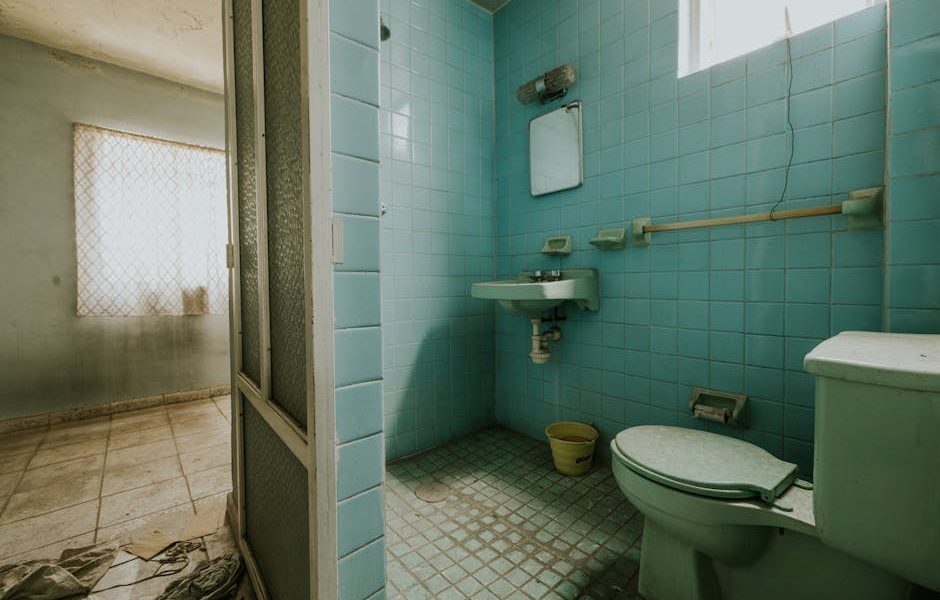
Bathroom Setup That Supports the Routine
Keep treatment products physically separate from your everyday shampoo and conditioner. A dedicated basket or under-sink organizer means you won’t grab the repair mask when you’re in a hurry, and won’t accidentally use your daily shampoo on a treatment day.
Treatment days are intentional — usually once or twice a week for damaged hair. The physical separation reinforces that intention. Keep a timer visible in the bathroom. Guessing at 20 minutes and rinsing at 8 is one of the most common reasons people feel their treatments aren’t working.
Hair Treatment Comparison: Which Product Type Fixes Which Damage
The market is flooded with vague claims. Here’s an honest breakdown of the main treatment categories, with specific products and what they’re actually suited for:
| Treatment Type | Best Damage Type | Key Ingredients | Price Range | Example Product |
|---|---|---|---|---|
| Collagen + Argan Oil | Heat damage, dry/brittle, all hair types | Hydrolyzed collagen, argan oil, amino acids | $30–$65 | Karseell Collagen Hair Treatment Set ($59.99) |
| Bond Builder | Bleached, permed, relaxed hair | Bis-aminopropyl diglycol dimaleate | $28–$60 | Olaplex No. 3 Hair Perfector ($28) |
| Keratin Mask | Frizzy, porous, humidity-prone hair | Keratin protein, panthenol | $10–$35 | OGX Bamboo Fiber-Full Mask ($12) |
| Purple Toning Mask | Blonde, gray, silver, highlighted hair | Violet pigment, maca extract | $25–$55 | Karseell Maca Purple Mask + Shampoo Set ($53.99) |
| Butter/Moisture Mask | Type 3–4 curly/coily hair, severe dryness | Shea butter, glycerin, aloe vera | $10–$25 | Mielle Organics Babassu & Mint Deep Conditioner ($12) |
The collagen category is where most people with general damage should start. Heat-styled, lightly colored (not bleached), or mechanically stressed hair all respond well to collagen treatment. The Karseell Collagen Hair Treatment Set ($59.99) includes the mask, a hair oil, matching shampoo, and conditioner — a fully formulated system rather than a single product you have to pair with compatible options. Rated 4.8/5 across 994 reviews, which for a complete set in this price range is unusually consistent.
The argan oil component keeps the formula from sitting too heavy on fine hair while still delivering enough moisture for thick or coarse textures. The full kit also means you’re not mixing it with shampoos or conditioners that might counteract the treatment — the formulas are designed to stack.
For bleached or chemically damaged hair, the protocol is: Olaplex No. 3 first for structural repair, then maintain with the Karseell system for ongoing moisture and smoothness. Collagen fills and seals — it can’t rebuild broken bonds. Don’t skip the bond builder step if bleach is involved.
The Verdict: Start With the Karseell Collagen Set
For dry, heat-damaged, or generally worn-out hair that hasn’t been severely chemically processed, the Karseell Collagen Hair Treatment system is the most complete entry point at this price. A full kit — shampoo, conditioner, mask, and oil — for $59.99, formulated to work together, beats buying four mismatched individual products from different brands. Most people spend more than that assembling a routine that doesn’t stack.
Won’t fix bond damage from bleach. For severely bleached hair, pair it with Olaplex No. 3 first. But for the majority of damage types most people deal with — heat, dryness, mechanical stress, light color — this set handles it well.
Who Actually Needs Purple Shampoo
Purple shampoo is one of the most over-recommended products in hair care. The mechanism is simple: violet pigments cancel yellow and orange tones on the color wheel. But the use case is genuinely narrow, and most people using it don’t need it.
Does Your Hair Color Actually Qualify?
Purple shampoo works on platinum blonde, highlighted blonde, bleached hair, gray hair, and silver hair. These colors are low in natural pigment, which means oxidation and environmental exposure pull them toward warm, brassy, yellowish tones over time. Violet pigment deposited on the hair shifts it back toward neutral or cool.
It does nothing for dark brown, dark red, or black hair. The hair is too pigmented for violet tones to register visually. If your hair is naturally dark and you haven’t colored or highlighted it, this product is not for you. Medium ash brown is borderline — you might see subtle correction at highlighted ends, but not meaningful results on the natural base color.
How Often Is Too Often?
Once a week maximum for most blonde and highlighted hair. Twice a week immediately after a salon appointment if brassiness is significant. Using it as your everyday cleanser deposits so much violet pigment that blonde hair starts reading lavender or muddy ash — not the cool, neutral tone you’re after.
There’s also a meaningful difference between purple shampoo and purple masks. Shampoo deposits pigment quickly and rinses out fast — good for light, regular maintenance. A mask stays on longer, deposits more pigment, and adds hydration at the same time. If your hair needs significant tonal correction and is also dry, a mask is a better tool than shampoo alone.
The Karseell Maca Purple Set for Toning and Repair
Most purple shampoos are drying by nature. The process that opens the cuticle to deposit violet pigment also strips moisture. The Karseell Maca Power Purple Hair Mask and Shampoo Set ($53.99) counters this by pairing the toning shampoo with a maca-infused mask that restores hydration alongside tonal correction. It’s a smarter combination than buying a drugstore purple shampoo and separately trying to add moisture back with a different product.
Rated 4.7/5 across 371 reviews. Works particularly well for gray and silver hair that tends to look yellowed and dry at the same time — two distinct problems addressed in one system.
Four Mistakes That Undo Every Hair Treatment
- Rinsing with hot water. Hot water swells the cuticle open and flushes out what you spent time depositing. Always finish with cool water. The temperature difference is the most impactful 10-second habit change in hair care — the improvement in smoothness and shine is immediately noticeable.
- Applying treatment to dripping-wet hair. Saturated hair can’t absorb treatment — it’s already full of water. Squeeze out excess moisture after shampooing, then apply to damp hair. This is why salon treatments feel different: they’re applied to towel-dried hair, not hair directly under the shower stream.
- Heat styling immediately after treatment. Flat irons at 400-450°F melt the cuticle you just repaired. Air dry or use a diffuser the day after a treatment session. If heat styling is unavoidable, use a thermal protectant — the Kenra Platinum Silkening Mist ($25) handles up to 450°F, and the Tresemmé Thermal Creations Heat Tamer Spray ($8) covers most needs at lower heat settings.
- Treating only when damage becomes visible. By the time hair is obviously damaged — snapping, split ends, visible frizz — you’re already months into a deficit. Weekly maintenance prevents accumulation. Intense monthly treatments are crisis response, not routine care.
One compounding factor most people ignore: cotton pillowcases create friction damage over thousands of hours of sleep. A satin or silk pillowcase — the Bedsure Satin Pillowcase runs $8-$16 — passively reduces breakage and frizz without any active effort. It won’t fix existing damage, but it stops quietly undoing the work you’re putting in every week.