
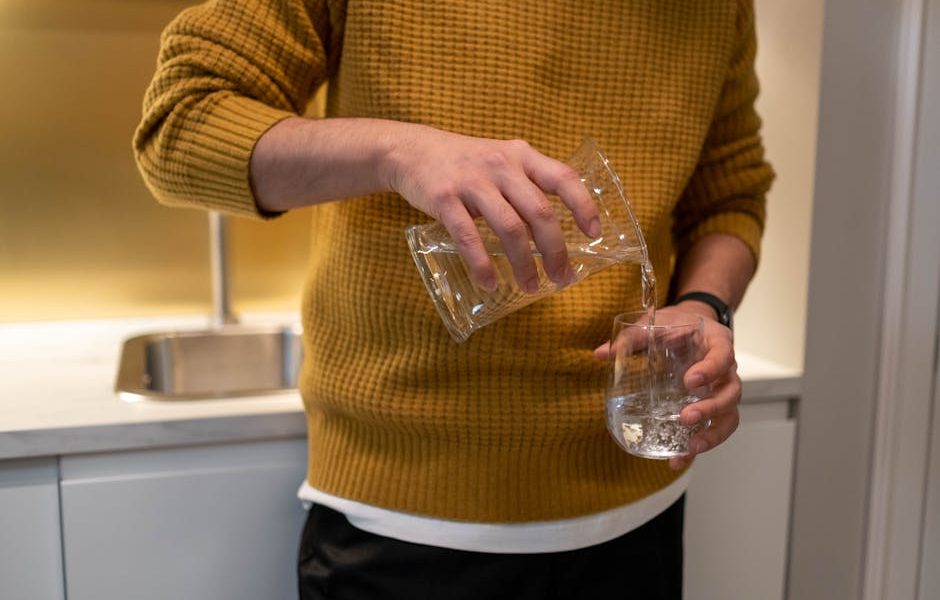
How to Achieve Sparkling Clean Water at Home with the Right Water Filter
How to Achieve Sparkling Clean Water at Home with the Right Water Filter
Imagine pouring yourself a glass of water, the kind that looks as pristine as a mountain stream. No cloudy residue, no funny aftertaste, just pure, refreshing hydration. But achieving that level of water quality straight from your tap can be a challenge. Municipal water sources, while treated, can still contain contaminants that affect taste, odor, and potentially, your health. Let’s explore how to get the cleanest water possible, and how the right filtration system can make all the difference.
Understanding Your Water Quality
Before you can improve your water, you need to understand what’s *in* it. Common contaminants include sediment (rust, sand), chlorine (added for disinfection), chloramine (a chlorine and ammonia compound), heavy metals (lead, copper), volatile organic compounds (VOCs), and bacteria. The presence and concentration of these contaminants vary based on your location, water source (well or municipal), and the age of your plumbing.
The first step is to test your water. You can purchase a DIY testing kit from most hardware stores, or you can send a sample to a certified laboratory for a more comprehensive analysis. Lab tests are generally more accurate and can identify a wider range of contaminants. Contact your local health department for a list of certified labs in your area. Consider testing annually, or more frequently if you notice changes in your water’s taste, odor, or appearance.
Common Water Contaminants and Their Effects
Different contaminants pose different risks. Here’s a quick overview:
- Sediment: Can make water cloudy and damage plumbing fixtures.
- Chlorine/Chloramine: Affects taste and odor; can create harmful byproducts.
- Lead: A neurotoxin, especially harmful to children. Lead levels exceeding 5 parts per billion (ppb) require immediate attention.
- VOCs: Some are carcinogenic; others affect taste and odor.
- Bacteria/Viruses: Can cause illness.
Knowing what you’re dealing with is crucial for choosing the right filtration method.
Water Filtration Methods: A Comparison
Several water filtration methods are available, each with its strengths and weaknesses:
- Pitcher Filters: These are the most affordable option, using activated carbon to remove chlorine, sediment, and some VOCs. They’re slow and have a limited capacity, typically filtering less than 1 gallon at a time. Replacement filters are required every 40 gallons or about two months.
- Faucet Filters: Attaching directly to your faucet, these filters offer a slightly faster flow rate and longer filter life than pitcher filters. They also primarily target chlorine, sediment, and some VOCs.
- Whole-House Filters: Installed on your main water line, these filters treat all the water entering your home. They are good for removing sediment and chlorine, protecting your plumbing and appliances. However, they don’t typically remove dissolved contaminants like lead or VOCs.
- Reverse Osmosis (RO) Systems: RO systems are the most effective at removing a wide range of contaminants, including sediment, chlorine, lead, VOCs, and bacteria. They work by forcing water through a semi-permeable membrane, leaving contaminants behind. RO systems typically require a storage tank and can waste water in the process.
- UV Filters: These filters use ultraviolet light to kill bacteria and viruses in water. They don’t remove other contaminants. UV filters consume around 40-80 watts of electricity.
The Benefits of Reverse Osmosis
For truly clean water, a reverse osmosis (RO) system is often the best choice. RO systems can remove up to 99% of dissolved solids, providing water that is not only safe but also tastes great. They are particularly beneficial for homes with older plumbing or concerns about specific contaminants like lead or arsenic.
While RO systems have a higher initial cost than other filtration methods, the long-term benefits of clean, safe water often outweigh the investment. Plus, by eliminating the need for bottled water, you can save money and reduce plastic waste.
Introducing the Waterdrop X16-BAS Reverse Osmosis Water Filter
If you’re looking for a top-of-the-line RO system, the Waterdrop X16-BAS Reverse Osmosis Water Filter is an excellent option. This system is designed to provide exceptional water quality with advanced features that make it both effective and convenient.
The Waterdrop X16-BAS boasts an impressive 11-stage filtration process, ensuring that your water is free from a wide range of contaminants. It’s also NSF/ANSI 42, 58, and 372 certified, meaning it has been independently tested and verified to meet strict standards for water quality and safety. The system has a flow rate of 1600 gallons per day (GPD), providing ample filtered water for your entire family.
One of the standout features of the Waterdrop X16-BAS is its tankless design. Unlike traditional RO systems with bulky storage tanks, the X16-BAS filters water on demand, saving space and reducing the risk of bacterial contamination in the tank. It also features a 3:1 pure to drain ratio, minimizing water waste compared to older RO systems that often have a 1:4 or even 1:1 ratio.
The system includes a smart stainless steel faucet with a digital display that shows the water quality and filter life. This allows you to easily monitor the system’s performance and ensure that you’re always getting the cleanest water possible. The filters are designed for easy replacement, with a lifespan of up to 24 months for some stages.
The Waterdrop X16-BAS also adds alkaline minerals back into the water after filtration, which can improve the taste and provide potential health benefits. Alkaline water has a higher pH level, which some believe can help neutralize acidity in the body.
The Waterdrop X16-BAS Reverse Osmosis Water Filter has a rating of 4.5/5 based on 13 reviews. Check price on Amazon.
Installation and Maintenance
Installing a reverse osmosis system like the Waterdrop X16-BAS typically requires some plumbing skills. The system comes with detailed instructions, and many homeowners can install it themselves. However, if you’re not comfortable working with plumbing, it’s best to hire a professional.
Maintenance primarily involves replacing the filters according to the manufacturer’s recommendations. The Waterdrop X16-BAS has multiple filter stages, each with a different lifespan. The pre-filter and activated carbon filters typically need to be replaced every 6-12 months, while the RO membrane can last up to 24 months. The system’s digital display will alert you when it’s time to replace a filter.
Regularly sanitizing the system is also important to prevent bacterial growth. You can use a mild bleach solution to sanitize the storage tank (if applicable) and the faucet. Follow the manufacturer’s instructions for sanitization.
Exploring Other Water Filtration Options
While the Waterdrop X16-BAS is a powerful solution, consider the Waterdrop X16 Tankless Reverse Osmosis System as well. It offers similar benefits with a sleek black faucet design and the same advanced filtration capabilities. See current deal. It also comes with NSF/ANSI 42&58&372 Certification and 11-Stage Filtration.
Beyond Filtration: Other Ways to Improve Water Quality
Even with a high-quality filtration system, there are other steps you can take to improve your water quality:
- Flush Your Pipes: If you have old plumbing, especially lead pipes, flush your pipes by running the water for a few minutes each morning before using it for drinking or cooking. This can help remove any lead that has leached into the water overnight.
- Use Cold Water: Always use cold water for drinking and cooking. Hot water is more likely to dissolve lead and other contaminants from your plumbing.
- Inspect Your Plumbing: Regularly inspect your plumbing for leaks or corrosion. Replace any damaged pipes or fixtures promptly.
- Consider a Water Softener: If you have hard water (high mineral content), a water softener can help prevent scale buildup in your pipes and appliances. This can extend the lifespan of your plumbing and improve the efficiency of your water heater.
Making an Informed Decision in 2026
Choosing the right water filtration system is a significant decision, and one that should be based on your specific needs and concerns. Testing your water, understanding the different filtration methods, and considering the long-term costs and benefits are all crucial steps in the process. The Waterdrop X16-BAS offers a convenient and effective solution for achieving sparkling clean water at home. Its tankless design, 11-stage filtration, and smart features make it a top contender in the reverse osmosis market. Consider getting one in 2026 to ensure pure and safe drinking water for years to come. The Waterdrop X16-BAS Reverse Osmosis Water Filter has a rating of 4.5/5 based on 59 reviews. Check availability.
Conclusion
Ultimately, achieving sparkling clean water at home is an investment in your health and well-being. By understanding your water quality, exploring different filtration options, and choosing the right system for your needs, you can enjoy pure, refreshing water straight from your tap, every time.