
A Complete Guide to Caring and Maintaining Solid Wood Furniture
You just spent $2,000 on a solid oak dining table. Six months later, a water ring from a coffee mug stares back at you. The finish looks dull. One corner has a hairline crack. You’re wondering if you should have bought that laminate table from IKEA instead.
Don’t panic. That water ring can disappear in 15 minutes. The crack is preventable. And that dull finish? It’s not the wood’s fault — it’s the lack of a proper care routine. Here’s exactly what to do, starting today.
Why Solid Wood Reacts Differently Than Veneer or Laminate
Solid wood breathes. It expands when humidity rises and contracts when the air gets dry. Veneer and laminate have a stable core that doesn’t move. Solid wood does — and that’s why it cracks, warps, and develops gaps if you treat it like plastic.
A solid wood tabletop can shift up to 1/4 inch across a 6-foot span between summer and winter. That’s normal. Fighting it with glue or screws is what breaks the wood.
The real problem: most people never learn how to work with the wood’s movement. They clean with vinegar (bad idea), polish with silicone sprays (worse), and place furniture near heat vents (disaster).
Here’s the rule: solid wood wants stable humidity (35-45% RH), indirect sunlight, and gentle cleaning. Give it those three things, and it’ll outlast your grandchildren.
The one product you need for daily cleaning
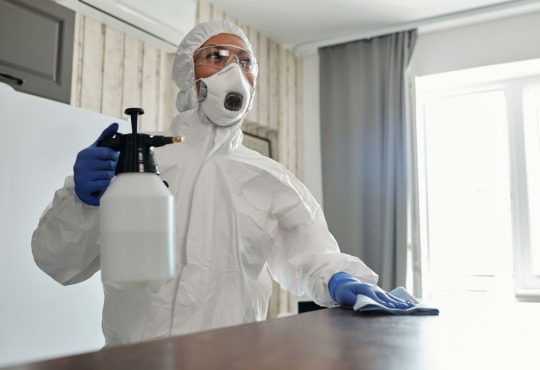
Skip the spray cleaners. Get a microfiber cloth (Pack of 24 from Amazon Basics costs $12) and a bottle of Murphy Oil Soap ($6 at any hardware store). Mix 1 tablespoon of soap with 2 cups of water. Dampen the cloth — not wet — and wipe the surface. Dry immediately with a second cloth.
That’s it. No vinegar. No lemon oil. No furniture spray from the grocery aisle.
How to Remove Water Rings, Heat Marks, and Scratches
Water rings happen because moisture gets trapped in the finish. Heat marks happen because the finish softens and then re-hardens with a white haze. Scratches are just physical damage to the surface layer.
Each one has a fix. None requires sanding or refinishing the whole piece.
Water rings: the mayonnaise trick (yes, really)
Apply a small dab of regular mayonnaise to the ring. Let it sit for 2-3 hours. Wipe off with a clean cloth. The oils in the mayo penetrate the finish and push the trapped moisture out. Works 80% of the time on fresh rings.
For stubborn rings, use a hair dryer on low heat. Hold it 6 inches away and move it constantly. The heat drives the moisture out. Wipe immediately after.
Heat marks: toothpaste and baking soda
Mix equal parts white toothpaste (not gel) and baking soda. Rub gently into the mark with a soft cloth in circular motions for 30 seconds. Wipe clean. If the mark remains, repeat once more.
Still there? Use Minwax Antique Furniture Refinisher ($12 at Home Depot). Apply with 0000 steel wool, following the grain. This dissolves the top layer of finish and lets it re-level. Test on a hidden spot first.
Scratches: the walnut trick
Rub a raw walnut (shell removed) directly into the scratch. The natural oils darken the wood and fill the scratch. Works best on medium to dark woods. For light woods, use a furniture touch-up marker like Minwax Wood Finish Stain Marker ($8 for a 2-pack).
| Issue | Quick Fix | Time Needed | Cost |
|---|---|---|---|
| Water ring | Mayonnaise or hair dryer | 2-3 hours | $0 |
| Heat mark | Toothpaste + baking soda or refinisher | 10 minutes | $0–$12 |
| Light scratch | Walnut or touch-up marker | 5 minutes | $0–$8 |
| Deep scratch/gouge | Wood filler + sanding + refinish | 1-2 hours | $15–$30 |
The Seasonal Humidity Problem (and How to Fix It)
Your wood furniture moves with the seasons. In winter, indoor humidity can drop to 15%. Wood shrinks. Gaps appear between tabletop planks. In summer, humidity hits 70%. Wood expands. Drawers stick. Doors won’t close.
This is normal. But extreme swings cause permanent damage — cracks that won’t close, warped tabletops, and loose joints.
The fix: a humidifier in winter and a dehumidifier in summer. Target 35-45% relative humidity year-round. A Levoit LV600S Smart Humidifier ($60) covers a 500 sq ft room. A Frigidaire FFAD5033W1 Dehumidifier ($230) handles a basement or large living area.
Don’t have those? Place a bowl of water near the furniture in winter. It helps a little. But honestly, a $60 humidifier is cheaper than replacing a cracked table.
How Often Should You Oil or Wax Solid Wood Furniture?
This depends on the finish. Most modern solid wood furniture has a lacquer or polyurethane topcoat. That finish is a plastic layer — it doesn’t need oil. Wiping with a damp cloth is enough.
But if your furniture has an oil finish (like many teak or walnut pieces), it needs regular oiling. Oil finishes dry out after 6-12 months. The wood looks dull and feels dry to the touch.
For oil-finished furniture: use Howard Feed-N-Wax
Howard Feed-N-Wax ($11 for 12 oz) is the gold standard. It’s a blend of beeswax and orange oil. Apply a thin layer with a soft cloth, let it soak for 20 minutes, then buff off. Do this every 6 months for oil-finished pieces.
For lacquered or polyurethane finishes: don’t oil. Oil sits on top of the plastic finish and turns sticky. Just clean with Murphy Oil Soap and water.
How to tell which finish you have: put a drop of water on an inconspicuous spot. If it beads up, it’s sealed (lacquer/polyurethane). If it soaks in, it’s oil-finished.
3 Mistakes That Destroy Solid Wood Furniture
These are the most common errors I see. Avoid them and your furniture stays beautiful.
- Using silicone-based furniture polish. Pledge, Endust, and similar sprays leave a silicone film that attracts dust and prevents future refinishing. If you ever want to strip and refinish the piece, the silicone will cause fisheye in the new finish. Throw them out.
- Placing furniture near radiators, vents, or fireplaces. Direct heat dries out the wood unevenly. One side shrinks faster than the other. The result: warped tabletops and cracked panels. Move furniture at least 3 feet from any heat source.
- Using vinegar or lemon juice as a cleaner. Vinegar is acidic. It strips the finish over time. Lemon juice does the same. Stick to Murphy Oil Soap or a dedicated wood cleaner like Howard Wood Cleaner & Restorer ($10).
When NOT to DIY Repair — Call a Pro Instead
Some damage looks fixable but isn’t. Attempting a DIY repair makes it worse and costs more in the long run.
Call a professional furniture restorer if:
- The piece has a deep gouge through the finish into the wood. Filling it with wood putty looks obvious unless you color-match perfectly and re-finish the whole surface.
- A joint is loose — the leg wobbles or the frame creaks. Re-gluing a joint requires disassembling it, cleaning old glue, clamping it precisely, and sometimes adding dowels. One mistake and the piece is permanently crooked.
- The finish is peeling or alligatoring (looks like cracked mud). This means the finish has failed chemically. You need to strip the entire piece and re-finish it. That’s a multi-day project requiring chemical strippers, sanders, and spray equipment.
- The wood has mold or mildew. Surface mold you can clean with diluted bleach. But if it’s inside the wood grain or behind a panel, a pro needs to treat it before it spreads.
Cost to have a pro strip and refinish a dining table: $400–$800. Cost to replace a ruined antique: priceless. Know when to step back.
The 10-Minute Weekly Routine That Prevents 90% of Damage
Most wood furniture damage happens slowly. Dust scratches the finish. Spills seep into cracks. Sunlight fades the color. A 10-minute weekly routine stops all of it.
Step 1: Dust with a microfiber cloth. Not a feather duster (which just pushes dust around). Microfiber traps the dust. Start at the top and work down. Cost: $0 if you already have microfiber cloths.
Step 2: Inspect for damage. Run your hand over the surface. Feel for rough spots, sticky areas, or raised grain. Check corners and edges for cracks. Look at the finish for white spots (moisture trapped) or dark spots (water damage starting).
Step 3: Clean with Murphy Oil Soap. Mix 1 tablespoon in 2 cups of water. Dampen a cloth. Wipe the surface. Dry immediately. For carved or detailed areas, use a soft toothbrush to get into crevices.
Step 4: Apply wax or oil if needed. For oil-finished pieces: apply Howard Feed-N-Wax every 6 months. For lacquered pieces: apply a thin coat of Minwax Paste Finishing Wax ($10) once a year for extra protection. Buff to a shine.
Step 5: Check the environment. Look at the humidity level. If it’s below 30% or above 50%, adjust your humidifier or dehumidifier. Move any items placed directly on the wood (vases, hot plates, wet glasses) onto coasters or trivets.
That’s it. Five steps. Ten minutes. Your furniture stays beautiful for decades.
That $2,000 oak table? It’ll still look new when your kids inherit it. The water ring from this morning? Gone by dinner. The crack you were worried about? It was just the wood breathing. You know how to handle it now.