Entryway Bench Storage Mistakes and Better Mudroom Fixes
Are coats falling off hooks, shoes blocking the door, and bags landing on the floor beside an empty bench? That usually means the mudroom has furniture, but no storage plan. I learned this after living with a narrow entryway where every person in the house used the bench differently. The bench became a dumping shelf, the shoe rack filled in two days, and the walkway shrank every time someone came home. My clear verdict is simple: choose entryway bench storage around traffic, daily habits, and the mess you actually have, then buy the furniture.
Measure the Bench Before You Shop
Use the five-number check
Measure five things before opening a furniture website:
- Available width: measure the wall from trim to trim, then leave at least two inches of breathing room on each side.
- Usable depth: allow 15 to 18 inches for a comfortable seat, but choose 12 to 14 inches when the room is a narrow passage.
- Seat height: 17 to 19 inches works for most adults, while 15 to 17 inches is easier for small children.
- Clearance above the seat: leave enough room for hooks, shelves, and coats without making the seating area feel boxed in.
- Door and drawer clearance: add the full opening depth of any cabinet or pull-out basket before deciding the furniture fits.
Calculate capacity instead of guessing
Plan for one shoe position per daily pair, not one position per person. A household of four may need eight to twelve pairs near the door during a wet season. A 36-inch bench usually handles two adults comfortably, but it may not hold four school bags underneath. Use baskets or cubbies for soft goods and keep the floor open for larger footwear.
Measure the largest boot in the home. Tall winter boots often need 12 to 15 inches of vertical clearance, while low shoes can fit under a 7-inch shelf. This small measurement prevents the common mistake of buying a pretty low shelf that forces boots into a heap beside it.
Test the sitting position
Sit on a dining chair at the planned height and depth. Put on and remove your shoes. Lean forward, stand up, and reach for a bag. If your knees hit a wall or the seat feels too deep, change the dimensions before shopping. My preferred target for a working mudroom is an 18-inch seat height, 16-inch depth, and at least 12 inches of clear space underneath.
Build Storage Around the Mess, Not the Furniture
Separate wet, dirty, and clean items
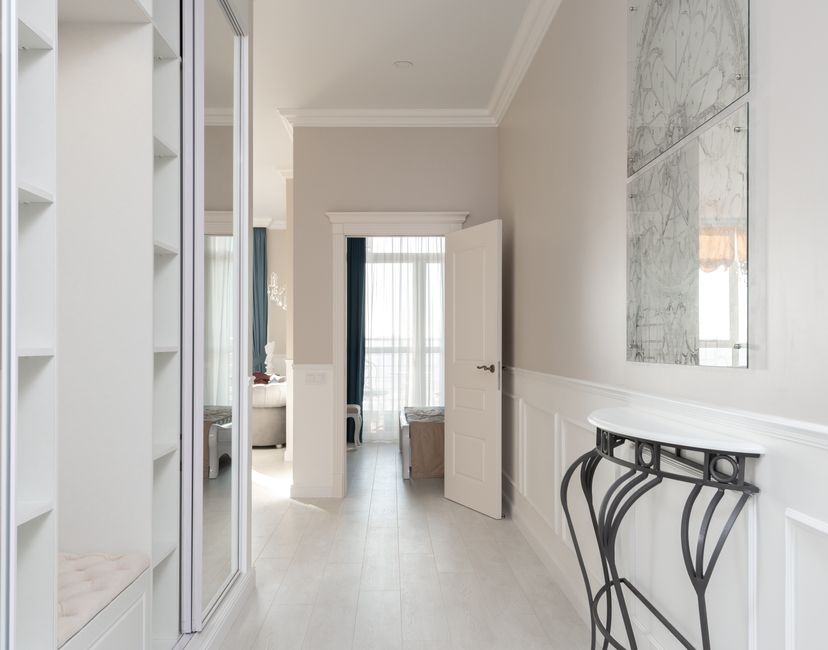
A tidy mudroom needs zones because dirt moves in different ways. Wet boots need a washable tray and air around them. Clean school bags need a dry hook away from the floor. Gloves need a shallow basket because deep bins swallow pairs. Coats need enough spacing to dry instead of forming one damp wall.
Start from the floor and work upward. Put a drip tray or washable mat under footwear. Place the bench above or beside that zone. Add hooks at adult and child heights. Use the highest shelf for seasonal pieces that do not need daily access. This order matters because it follows how people use the room: shoes come off first, then bags and coats, then smaller accessories.
Give every person a defined space
Shared storage sounds efficient until nobody knows where an item belongs. Give each regular user one hook and one basket or cubby. A child may need a low hook at 40 to 48 inches from the floor, while adults can use hooks around 60 to 66 inches. Keep the rule visible through the layout, not a handwritten reminder.
Do not make every cubby identical if the users are not identical. A tall commuter bag needs more height than a child’s small backpack. A dog-walking station needs leash hooks and towel space. A sports household needs a ventilated bin that can hold helmets or shin guards. The right storage removes arguments because the room tells people what belongs where.
Plan the reset zone
Leave one small surface for keys and mail, but keep it separate from the sitting bench. A bench top becomes a drop zone when it is the only horizontal surface available. A wall shelf, narrow console, or tray near the door can catch small items without stealing the seat. My recommendation is one tray for keys and wallets, one basket for loose accessories, and no extra surface large enough to become a permanent pile.
Avoid These Mudroom Storage Buying Mistakes
Do not buy for the fantasy household
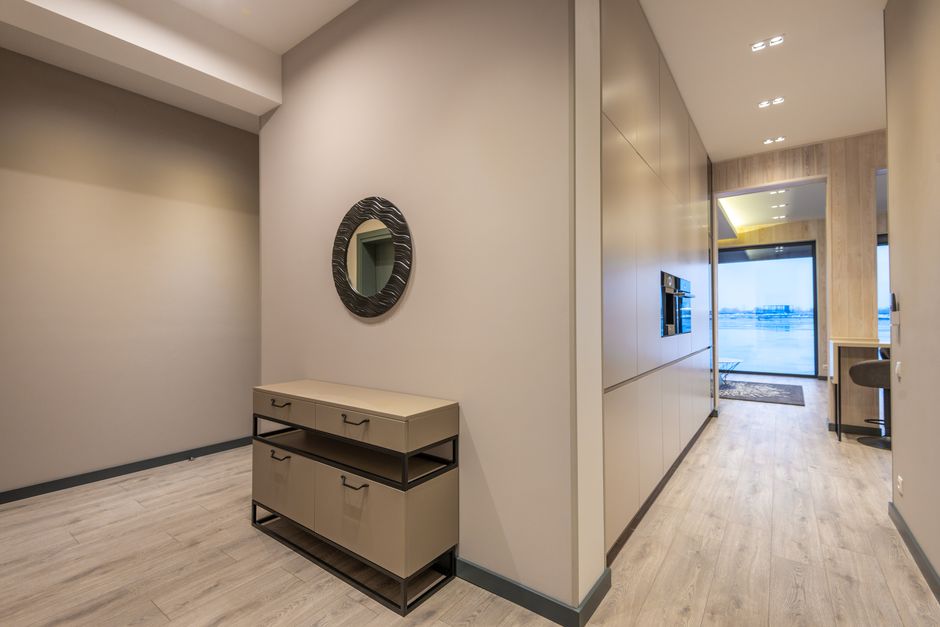
My strongest recommendation is to buy for the busiest weekday, not the tidy photograph. A bench with four hooks may look generous, but it fails when each person has two coats, a bag, and wet shoes. A large hall tree can also be the wrong choice if it leaves only 28 inches of walking space. Storage volume never fixes a bad layout.
- Do not choose a 20-inch-deep bench for a passage narrower than 42 inches.
- Do not place a closed cabinet beside a radiator or use it for wet footwear without ventilation.
- Do not assume one basket can sort hats, gloves, dog gear, and shopping bags.
- Do not buy a cushion in a pale fabric if the bench sits beside an exterior door used in rain.
- Do not measure only the wall; measure the delivery path, doors, trim, and drawer openings.
- Do not buy a tall unit that blocks light or makes the entrance feel like a tunnel.
Know when not to buy a bench
Skip the bench when the entrance is too narrow for safe sitting space. A row of wall hooks, a shallow shoe cabinet, and a small stool that can move away from the path may work better. Skip a hall tree when you already have useful built-in hooks and only need a place for shoes. Skip expensive furniture in a rental if a removable wall rail and stackable baskets solve the same problem.
Replace the weak link first
If coats are the problem, add hooks before replacing the bench. If shoes are the problem, add a washable tray and vertical rack. If bags are the problem, give them dedicated hooks at shoulder height. Buying a larger bench before fixing the weak link only gives clutter a larger surface. The correct upgrade is the smallest change that makes the desired action easier.
Keep the Mudroom Tidy With a Five-Minute Reset
Use the same order every evening
The best storage system is the one that can be reset in five minutes. Start with shoes, then bags, then coats, then small accessories. Put wet footwear on the tray, hang the bags on their assigned hooks, return loose items to the shallow basket, and clear the bench completely. This order follows the largest objects first, so the room looks better after each step instead of waiting for a perfect cleanup.
Set a capacity limit
Give each shelf and basket a visible limit: two pairs of daily shoes per person, one regular bag per hook, and one small basket for gloves or hats. When the space fills, something has to move to seasonal storage. That rule keeps the furniture from quietly becoming a second closet. A weekly five-minute edit removes damaged shoes, outgrown coats, and objects that entered the room by accident.
Return to the opening problem
When coats stop sliding to the floor and shoes have a place beside the door, the bench finally becomes a seat instead of a landing strip. That is the result to aim for: a mudroom arranged around real traffic, measured before purchase, and simple enough for the last person home to reset without thinking. For most homes, a shallow bench, open daily shoe storage, defined hooks, and one basket for small items will beat a larger piece of furniture every time.