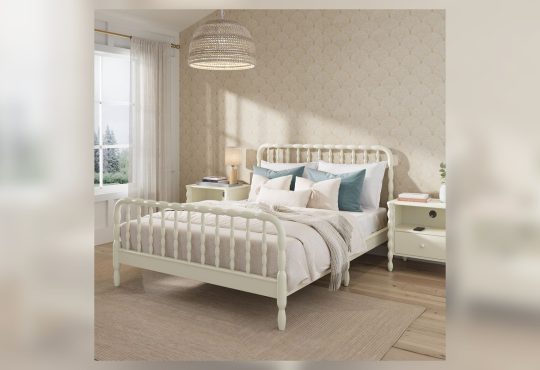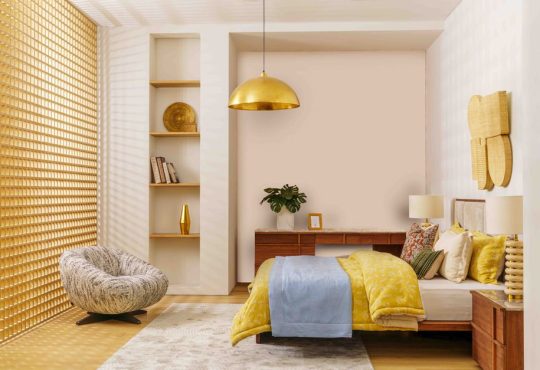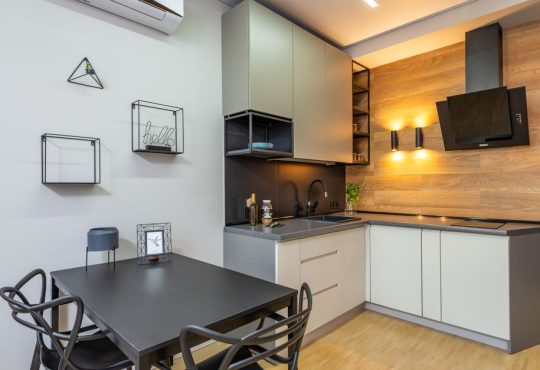

Maximize Vertical Space Small Bedroom: Smart Vertical Storage That Actually Fits Small Bedrooms
Most small bedrooms fail because people furnish them horizontally. They buy a wide dresser, a low bed frame, a squat nightstand. Then they wonder why the room feels like a storage unit. The fix is simple: go up. Wall space is free square footage. A room that is 10 feet by 10 feet has roughly 320 square feet of wall surface above the 30-inch furniture line. That is where the storage is hiding.
This guide covers the vertical storage pieces that actually earn their footprint. No gimmicks. No ceiling-hung baskets that look Pinterest-cute but hold nothing. Just furniture and layouts that work in real rooms with real budgets.
The Core Rule: Width Kills, Height Saves
Here is the first principle most people ignore. A bedroom feels small when the floor is crowded, not when the walls are busy. A 60-inch-wide dresser eats 15 square feet of floor and offers maybe 20 cubic feet of storage. A 30-inch-wide tallboy dresser eats 7.5 square feet and offers 24 cubic feet. Same storage, half the footprint. That is the entire vertical storage argument in two numbers.
When you shop, look at the ratio of cubic feet of storage to square feet of floor used. That is the metric that matters. The IKEA HEMNES 3-drawer chest is 42.5 inches wide and 37.75 inches tall. The IKEA HEMNES 6-drawer tallboy is 19.25 inches wide and 51.25 inches tall. The tallboy gives you twice the drawers in less than half the width. For a small bedroom, the tallboy is almost always the better buy.
Why Floor Clearance Changes Everything
Visual floor space is what makes a room feel calm. When you can see the floor run to the baseboards, the room reads bigger than it is. Low, wide furniture blocks that sightline. Tall, narrow furniture does not. This is why two 30-inch-wide tallboys on opposite walls feel better than one 60-inch dresser. You get the same storage but keep the floor open.
When to Skip the Tall Furniture
Tall furniture does not work in every room. If your ceiling is under 8 feet, a 72-inch-tall armoire will feel like it is leaning over you. Sloped ceilings are worse. A tall piece against a sloped wall wastes the top foot and looks awkward. In those cases, go with mid-height pieces — 48 to 60 inches — and use wall shelves above them. The shelf fills the vertical gap without a massive furniture footprint.
Wall-Mounted Systems That Replace Floor Furniture Entirely
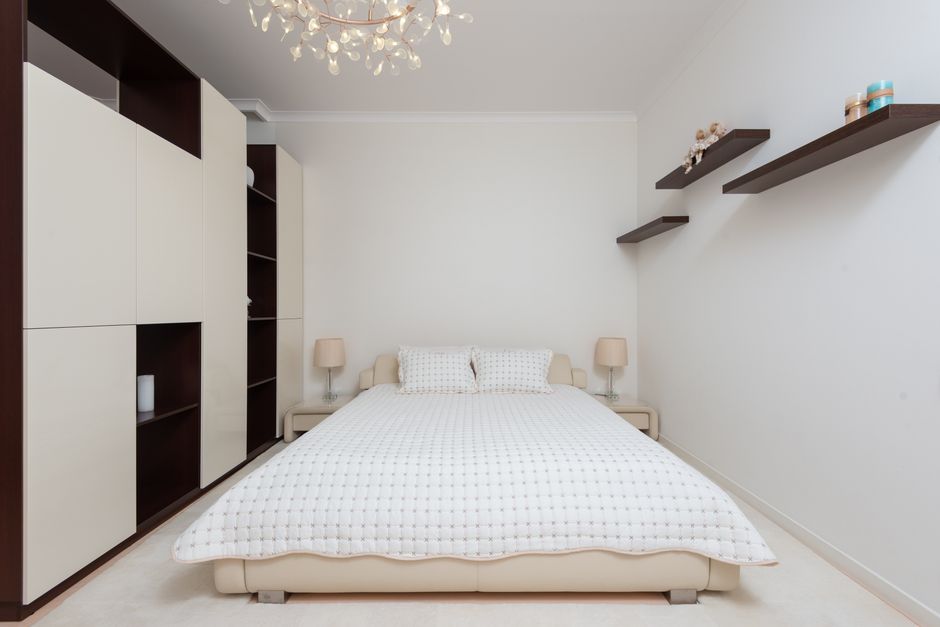
If you want to reclaim floor space, take the furniture off the floor. Wall-mounted shelves, floating desks, and wall-hung nightstands do the same job as their floor-standing versions but leave the floor empty. That empty floor is what makes a small room breathe.
The Elfa system from The Container Store is the benchmark here. A full Elfa wall setup for a small bedroom — two 24-inch-wide shelf sections, a hanging rod, and three drawers — costs around $400 to $600 depending on finishes. It mounts to a single top track and holds up to 75 pounds per shelf. The entire system uses zero floor space. Compare that to a wardrobe that eats 6 square feet of floor. In a 100-square-foot room, that is 6% of your floor back.
Floating Nightstands Are the Easiest Win
Start with the nightstand. A floor nightstand takes up about 2 square feet and blocks the visual flow around the bed. A floating shelf nightstand — like the IKEA LACK wall shelf at $19.99 for the 43.25-inch version — holds a lamp, phone, book, and water glass. It costs less, takes no floor space, and makes vacuuming easier. If you need a drawer, the Prepac Floating Nightstand with Drawer runs about $45 and gives you a drawer plus a shelf in a 16.75-inch-wide footprint.
Wall-Mounted Desks for the Bedroom Office
A small bedroom that doubles as an office needs a desk that disappears. The Prepac Wall-Mounted Floating Desk is 42.75 inches wide and folds flat against the wall when not in use. It is $139 and holds up to 40 pounds. For a more permanent setup, the IKEA BJURSTA wall-mounted drop-leaf table is $99 and folds to 7 inches deep. Either one beats a 48-inch floor desk that permanently claims 4 square feet.
Loft Beds and High Sleepers: The Nuclear Option
When floor space is truly at a premium, the loft bed is the single biggest vertical storage play you can make. A standard twin bed takes 20 square feet of floor. A twin loft bed takes the same 20 square feet but gives you 30 to 40 square feet of usable space underneath. That is a desk, a dresser, and a reading chair. All in space you were already using for sleep.
The DHP Twin-over-Futon Loft Bed is the budget pick at around $350. The frame is metal, rated for 250 pounds on the top bunk, and the futon underneath folds from sofa to bed. It is not pretty, but it is functional. For a better-looking option, the IKEA SMÅSTAD loft bed with desk and storage starts at $599 and includes a built-in desk, two drawers, and a wardrobe rail underneath. The SMÅSTAD is the pick if you are furnishing a bedroom for a kid or a studio apartment for an adult who does not mind the climb.
Who Should Not Buy a Loft Bed
Loft beds are terrible for people who get up multiple times at night. Climbing down a ladder at 3 a.m. to use the bathroom is not fun. They are also bad in rooms with ceiling fans or low ceilings. You need at least 30 inches of clearance between the top of the mattress and the ceiling. That means a 9-foot ceiling for a standard 6-foot-tall loft bed with a 10-inch mattress. If you have an 8-foot ceiling, skip the loft and go with a captain’s bed instead. A captain’s bed like the Prepac Mate’s Platform Storage Bed gives you six drawers under the mattress without any climbing. It is about $400 for a twin.
Comparison: Vertical Storage Furniture at a Glance

These are the pieces that deliver the best storage-to-footprint ratio in 2026. Prices are current as of early 2026 and will shift, but the ratios hold.
| Furniture Piece | Floor Space Used | Storage Capacity | Price Range | Best For |
|---|---|---|---|---|
| IKEA HEMNES 6-Drawer Tallboy | 2.4 sq ft | 6 drawers, ~24 cu ft | $249 | Clothing storage without floor sprawl |
| Elfa Wall System (2 shelves + rod + 3 drawers) | 0 sq ft | ~20 cu ft | $400–$600 | Closets or blank wall storage |
| Prepac Floating Nightstand | 0 sq ft | 1 drawer + 1 shelf | $45 | Bedside essentials |
| IKEA SMÅSTAD Loft Bed with Desk | 20 sq ft | Desk, 2 drawers, wardrobe rail | $599 | Kids’ rooms and studios |
| Prepac Mate’s Platform Storage Bed | 20 sq ft | 6 under-bed drawers | $400 | Adults who hate loft ladders |
| IKEA BJURSTA Drop-Leaf Wall Desk | 0.3 sq ft (folded) | 1 work surface | $99 | Bedroom offices |
The Elfa system wins on pure efficiency. Zero floor space, high capacity, and you can reconfigure it when your needs change. The HEMNES tallboy wins on simplicity. No mounting, no stud-finding, just a piece of furniture that works. Pick based on whether you rent or own. Renters should lean toward the Elfa route because it leaves fewer holes than a full closet system and moves with you.
Common Mistakes That Undo Vertical Storage
Buying tall furniture is not enough. Most people make three mistakes that cancel out the benefits.
First, they buy pieces that are tall but shallow. A 72-inch-tall bookcase that is only 9 inches deep holds almost nothing. You want depth. The IKEA BILLY bookcase is 11 inches deep and 79.5 inches tall. The IKEA HEMNES bookcase is 14.5 inches deep. That extra 3.5 inches of depth means you can store bins, folded sweaters, and shoe boxes instead of just paperbacks. For bedroom storage, deeper beats taller every time.
Second, they mount shelves too high to reach. A shelf above 72 inches is only useful for things you access seasonally. If you need a step stool every time you grab a t-shirt, you will stop using that shelf. Keep everyday items between 30 and 66 inches from the floor. Reserve the 66-to-80-inch zone for off-season clothes in labeled bins.
Third, they ignore weight ratings. Wall-mounted storage only works if you hit studs. A shelf anchored into drywall alone will sag or rip out under the weight of folded jeans. Use a stud finder. For shelves that will hold more than 30 pounds, use toggle anchors rated for 50 pounds or more. The Toggler Snaptoggle is the standard choice and holds 265 pounds in 1/2-inch drywall. Do not cheap out on anchors.
Room-by-Room Vertical Layout for a 10×10 Bedroom
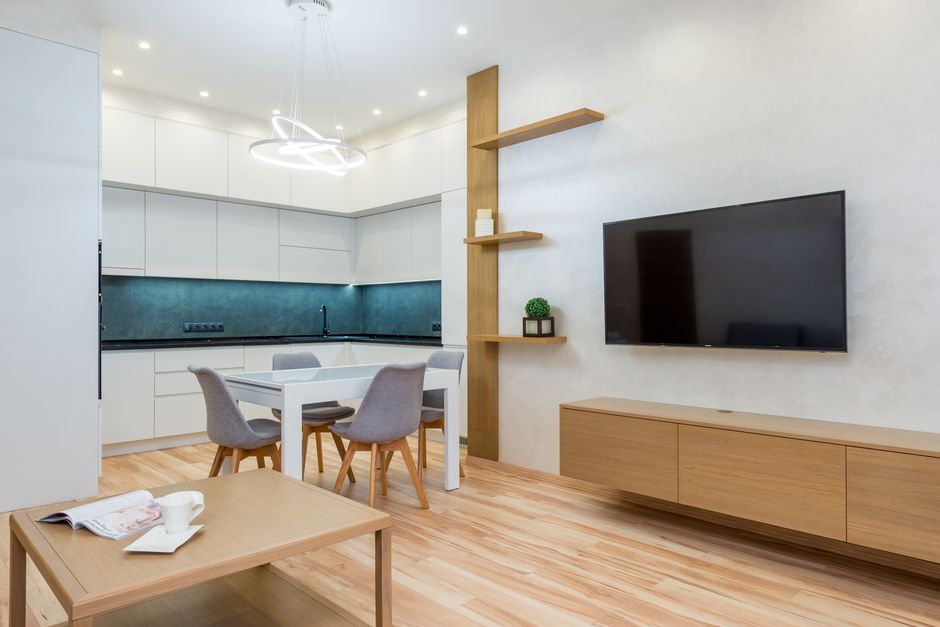
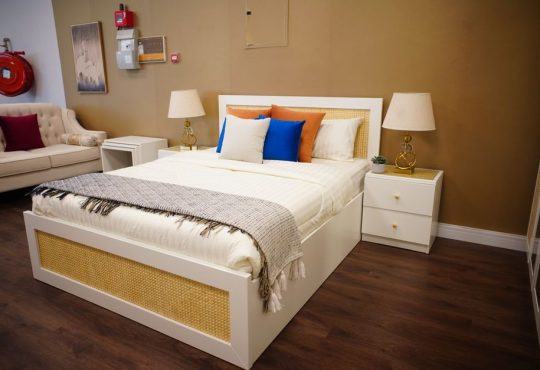
Here is a complete layout that fits in a 10-foot by 10-foot bedroom and leaves the floor mostly open. Start with a full or queen bed on the wall opposite the door. Use a storage bed or captain’s bed to get under-mattress drawers. Mount a floating nightstand on each side of the bed at 24 to 28 inches high. On the wall to the left of the bed, install a wall-mounted shelf system — either Elfa or a simple pair of 36-inch floating shelves with a hanging rod below. On the wall to the right, place a tallboy dresser no wider than 30 inches. If you need a desk, mount a drop-leaf desk on the wall opposite the bed and fold it down when you work. That layout gives you a full wardrobe, a desk, two nightstands, and under-bed storage while keeping roughly 60% of the floor completely clear.
The room will feel larger than a conventionally furnished version with a wide dresser and floor nightstands. Not because the furniture is smaller. Because the floor is visible. That is the whole trick.
Go measure your bedroom. Find the wall space above 30 inches. That is your storage. Use it.