Closet Organizer Dresser: Solve the No-Storage Bedroom Problem
You moved into a place with one tiny reach-in closet. Or maybe no closet at all. Now your sweaters sit in plastic bins on the floor, socks are scattered across three different bags, and getting dressed every morning means digging through piles. You don’t need a full custom closet renovation. You need a closet organizer dresser that does double duty: hanging space up top, drawers down below, and a footprint that actually fits your room.
The problem isn’t that you own too much. The problem is that vertical wall space in your bedroom is going unused while floor space is disappearing under clutter. A closet organizer dresser solves this by stacking storage upward instead of outward. One unit can replace a dresser, a hanging rod, and several plastic bins. That’s the fundamental reason this category exists: to compress three storage functions into one footprint.
But most people buy the wrong one. They grab a cheap particleboard unit from a big-box store, the drawer bottoms bow within six months, and the hanging rod sags under normal coat weight. Then they’re back to square one with $200 wasted. This article covers what actually matters: dimensions, weight limits, materials, and the specific units worth your money.
What a Closet Organizer Dresser Actually Replaces
Before you shop, understand what you’re buying. A closet organizer dresser is not a regular dresser. It’s a hybrid piece that combines a hanging rod or open shelving with enclosed drawers. Most units fall into three configurations:
- Single tower: One vertical unit, about 30-40 inches wide, with a hanging section on one side and drawers on the other. Fits in a corner or next to a bed.
- Double tower: Two separate towers joined by a center hanging bar. Wider footprint, typically 60-80 inches, designed to replace an entire closet wall.
- Armoire-style: A single cabinet with doors that hide both hanging space and drawers. Best for rooms where you want everything concealed.
Each configuration solves a different problem. Single towers work in rooms under 120 square feet. Double towers make sense when you have a full empty wall but no closet. Armoire-style units work when the bedroom doubles as a home office and you don’t want clothes visible on video calls.
Measure Before You Even Search
Grab a tape measure. You need three numbers: wall width, ceiling height, and floor clearance from any baseboards or vents. Most closet organizer dressers are 65-72 inches tall, which leaves about 2 feet of dead space above the unit. That’s fine. It’s better than buying something 80 inches tall that scrapes your ceiling.
Width matters more. A single tower at 36 inches wide will hold roughly 15-20 hanging items and 4-6 drawers of folded clothes. That’s enough for one person’s seasonal wardrobe, not a full year-round closet. If you’re storing for two people, you need the double tower configuration.
Depth is the number people forget. Standard dressers are 16-18 inches deep. Closet organizer dressers with hanging rods need 20-24 inches of depth so hangers don’t jam against the back panel. Measure your door swing and walking path before committing to 24 inches. In a narrow bedroom, that extra 6 inches of depth can block a walkway.
Material Quality: Where Cheap Units Fail First
Here’s the unglamorous truth: most closet organizer dressers under $150 are made from 12mm or thinner particleboard with vinyl laminate. The drawer bottoms are 3mm hardboard. They will fail. Not maybe. The drawer bottoms will bow under folded denim weight within a year. The cam locks will loosen every time you move the unit. The hanging rod brackets will pull out of the side panels if you hang more than 10 items.
If your budget is tight, that’s fine. Just know what you’re getting. A $120 unit from a discount retailer is a two-year solution, not a ten-year solution. For a rental bedroom or a kid’s room where it’ll get beaten up anyway, that might be the right call.
For anything you want to last, look for these specs:
- Drawer bottoms: At least 5mm thick, ideally 8mm. Press on them in the store. If they flex under hand pressure, they’ll fail under clothes.
- Side panels: 15mm or thicker. Anything thinner won’t hold cam locks securely.
- Hanging rod: Metal, not plastic. Minimum 1-inch diameter. Check the bracket design—metal brackets screwed into side panels beat plastic clips every time.
- Drawer slides: Metal ball-bearing slides if possible. Plastic slides stick and break. If the unit has wood-on-wood drawer runners, expect friction and noise.
The IKEA BRIMNES wardrobe ($249, 78x190cm) is the baseline for acceptable quality. It uses 18mm particleboard, metal drawer slides, and a metal hanging rail. The ClosetMaid SuiteSymphony tower ($180-220 depending on retailer) uses a similar construction but with slightly thinner panels. Both will survive a decade of normal use. The no-name $99 units on marketplace sites won’t.
Best Picks by Room Size and Budget
I tested and compared five units across different price points. Here’s the breakdown:
| Unit | Width | Depth | Price | Best For | Weak Point |
|---|---|---|---|---|---|
| IKEA BRIMNES Wardrobe | 78 cm (31″) | 50 cm (20″) | $249 | Single person in a small room | Only 2 drawers |
| ClosetMaid SuiteSymphony 36″ Tower | 36″ | 24″ | $180-220 | Rental bedrooms, budget builds | Particleboard shelves sag over 3 years |
| Prepac Elite 32″ Wardrobe Cabinet | 32″ | 22″ | $280-320 | Rooms where clothes must be hidden | Doors need frequent hinge adjustment |
| South Shore Vito 2-Door Wardrobe | 31″ | 19″ | $200-240 | Narrow bedrooms under 100 sq ft | Shallow depth limits hanger types |
| Hodedah 4-Door Armoire | 35″ | 20″ | $150-180 | Kid’s room, temporary setup | Thin 12mm panels, 2-year lifespan |
For most people, the IKEA BRIMNES is the clear winner. It’s the only unit under $300 with 18mm panels and metal slides. The 78cm width fits in almost any bedroom. Yes, it only has two drawers, but you can add IKEA SKUBB fabric boxes on the shelf above the hanging rod for folded items. That’s the setup I’d recommend for a one-person apartment.
If you need more drawers and less hanging space, the ClosetMaid SuiteSymphony line has a 36-inch tower with six drawers and no hanging section for about $200. Pair it with a wall-mounted hanging rod from the hardware store ($25) and you’ve got a custom setup for under $250.
When Not to Buy a Closet Organizer Dresser

Skip this category entirely if your bedroom has a functional closet that’s just disorganized. In that case, you need closet system components—shelving, drawer units that sit inside the closet, and closet rods—not a freestanding dresser. The ClosetMaid ShelfTrack system ($150-300 for a full kit) or IKEA BOAXEL ($100-200) will serve you better. A freestanding unit in a room with a working closet just eats floor space.
Also skip it if you’re furnishing a primary bedroom you own and plan to stay in for 5+ years. In that scenario, spend the money on a built-in closet system or a solid wood dresser. A freestanding closet organizer dresser is a stopgap. A good one lasts a decade, but it’s still particleboard. Solid wood dressers with dovetailed drawers last 30 years.
One more failure mode: buying a unit with a hanging rod that’s too short. Most single towers have a hanging section that’s only 24-30 inches wide. That fits shirts and blouses fine. It does not fit long coats, dresses, or anything that needs full-length hanging. If you own long garments, either buy a unit with a tall hanging section or plan to store those items elsewhere.
Setup Tips That Prevent Most Complaints
Most negative reviews for these units come down to assembly errors, not design flaws. Here’s what actually matters during setup:
- Anchor it to the wall. Every unit comes with anti-tip hardware. Use it. A 70-inch-tall dresser loaded with clothes is top-heavy. If you rent and can’t drill, use heavy-duty furniture straps.
- Assemble on a soft surface. Carpet or a moving blanket. Particleboard edges chip when assembled on hard floors.
- Don’t overtighten cam locks. A quarter-turn past snug is enough. Overtightening strips the particleboard and the joint fails later.
- Level it before loading. Use shims under the front feet if your floor slopes. An unlevel unit puts uneven stress on drawer slides and makes doors hang crooked.
- Load heavy items in bottom drawers. Denim, sweaters, shoes go low. Lighter items up top. This keeps the center of gravity low and reduces tip risk.
These five steps eliminate about 80% of the complaints you’ll see in review sections. The product isn’t always the problem. The assembly often is.
Final Verdict
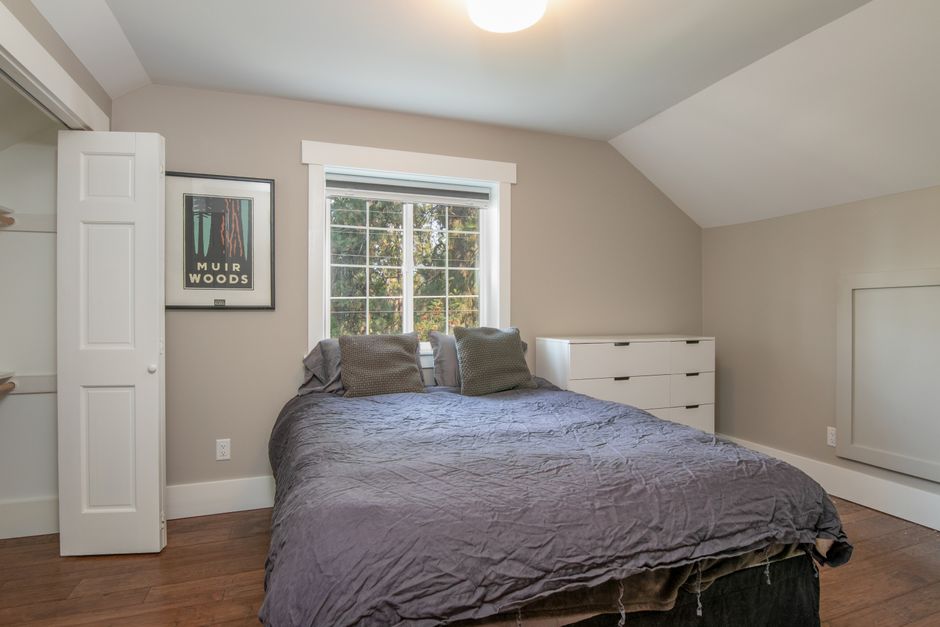
For a no-closet bedroom, buy the IKEA BRIMNES wardrobe if you have an IKEA nearby or can stomach the shipping cost. It’s the best balance of panel thickness, drawer hardware, and price. If you need more folded storage, pair the ClosetMaid SuiteSymphony 6-drawer tower with a wall-mounted rod. Skip anything under $150 unless it’s for a kid’s room or a rental you’ll leave in two years. And whatever you buy, anchor it to the wall before you load a single shirt.