5 Lighting Mistakes That Stall Every Home Renovation Project
5 Lighting Mistakes That Stall Every Home Renovation Project
Here’s a misconception that costs DIYers hours of rework: good lighting only matters during finishing touches. It doesn’t. Lighting affects every phase of a renovation — from spotting subfloor damage before you lay your first plank to catching grout haze before it dries in your bathroom tile.
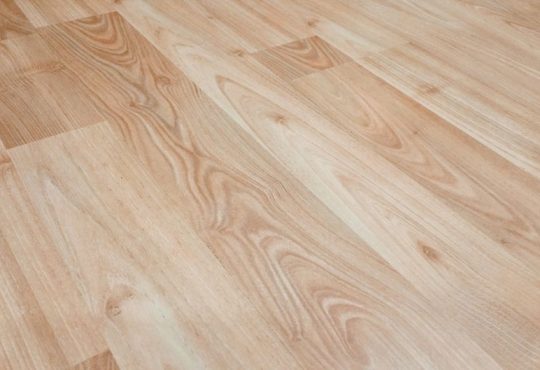
Picture this. You clear a Saturday to install click-lock flooring in your bedroom. The room’s single overhead fixture throws flat light that hides the slight ridge where two subfloor panels meet. You lay 12 feet of flooring over it. By noon, you notice the boards hum when you walk. Three hours of teardown later, you’re back to square one.
This happens constantly. The fix is cheaper than the mistake.
Why Bad Lighting Causes More Rework Than Bad Materials
Every flooring installer and tile setter who’s been doing this for more than a year knows it: the wrong light is worse than no light. Bad lighting creates false confidence. You think you see a clean, flat, ready surface. What you’re actually seeing is an evenly lit surface — which hides every defect that matters before installation.
The Shadow Angle Problem
Most people work under a single overhead fixture or a shop light on a tripod aimed straight down. This is the worst possible angle for spotting surface problems.
Direct overhead light hits high points and low points equally. If your subfloor has a 3mm hump where two OSB sheets meet, overhead light makes it invisible. A work light positioned at floor level, angled horizontally across the surface — what photographers call raking light — turns that 3mm hump into a clear shadow you can’t miss.
The same applies to bathroom tile. Angling a light low across freshly grouted tile reveals pinholes, uneven fill, and haze before it hardens. Under overhead light, it all looks fine. Under raking light, every problem casts a shadow.
Adjustable, repositionable work lights are quality-control tools first. Brightness is secondary.
Color Rendering Index and Why Tile Looks Different at Home
You spend 45 minutes in a tile showroom selecting the perfect travertine-look ceramic for your bathroom floor. It looks warm and natural under the store lighting. You install it at home. Under your existing 2700K bulbs, it looks cold and institutional.
Color Rendering Index (CRI) explains this. CRI runs from 0 to 100. At 80, colors look roughly accurate. At 90+, what you see matches how materials appear in natural daylight. Most builder-grade fixtures use 70–80 CRI bulbs. Tile showrooms run 92–95 CRI — a deliberate sales decision, since products look their best when colors are accurate.
For renovation work, use lighting rated at 5000K color temperature and CRI 90 or higher. Make your tile, flooring, and paint color decisions under that light. What you approve under 5000K/90 CRI is what you’ll actually live with after the job is done.
The Lumen Count Most Work Areas Get Wrong
Task lighting for detail renovation work — cutting, grouting, fitting planks — needs 30–50 lumens per square foot. A 10×12 bedroom is 120 square feet. That’s 3,600–6,000 lumens of total output needed.
A standard 65W recessed light produces about 650 lumens. You’d need six perfectly positioned cans just to hit the low end of that range. Most renovation setups have one or two. Two portable lights positioned from opposite sides at 3,000 lumens each reaches 6,000 lumens — with cross-lighting that eliminates the shadows a single source creates. That combination prevents the rework that costs weekends.
Corded vs. Battery vs. Solar Work Lights: Which Fits Your Project?
The work light market splits into three categories, and choosing wrong doesn’t just slow you down — it directly affects the quality of your finished work. Before buying anything, match the light type to where you’re actually working:
| Type | Lumen Range | Runtime | Best Use Case | Price Range |
|---|---|---|---|---|
| Corded (plug-in) | 3,000–20,000 lm | Unlimited | Indoor rooms, garage, workshops near outlets | $30–$150 |
| Battery-powered | 1,000–5,000 lm | 2–8 hours | Attics, crawlspaces, remote interior areas | $60–$220 |
| Solar rechargeable | 4,000–12,000 lm | 8–12 hours pre-charged | Outdoor projects, patios, driveways, decks | $30–$80 |
When Corded Lights Are the Right Call
For indoor renovation — bathroom retiling, bedroom flooring, kitchen backsplash — corded lights are the reliable standard. The Dewalt DCL074 (20V Max, 4,000 lumens, $89) and the Milwaukee M18 ROVER (5,000 lumens, $119) are what professional renovation crews run on actual job sites. No charging cycles, no runtime limits, no morning check to see if the battery held overnight.
The tradeoff is the cord. Route it along baseboards, keep it out of the work path, and it’s manageable. Corded lights fail as a choice when you’re working far from any outlet — outdoor project areas, or 80 feet of extension cord across a yard.
When Solar Lights Make More Sense
Outdoor projects — patio prep, deck staining, driveway sealing, exterior tile cleaning — happen far from outlets and often at dawn or dusk. Battery options like the Ryobi PCL650B (18V, 2,500 lumens, $49) work for 2–3 hour outdoor sessions. Solar rechargeable lights charge during the day and run all evening without battery swaps or extension cords draped across the yard.
For multi-evening outdoor projects, solar wins on convenience. For intensive one-day indoor work sessions, corded wins on reliability.
The Solar Flood Light That Solves the Outdoor Lighting Problem
Most solar work lights fail in one of two ways. They’re dim — under 2,000 lumens, barely better than a lantern — or they’re flimsy, with plastic housings that crack after one outdoor season. The 2 Pack 120W Solar Rechargeable Work Light at $37.99 is neither, and that claim has 1,546 reviews at 4.6/5 behind it.
Each unit runs 144 LEDs and produces 5,000 lumens per head — 10,000 lumens total for the pair. That’s enough output to flood a 400-square-foot patio or a full two-car driveway with actual working light, not just ambient glow. The four brightness modes let you dial from low (evening outdoor ambient) to full intensity for task work. You get the flexibility to match the output to what the job actually requires.
The IP66 waterproof rating is the spec that matters most for outdoor renovation use. IP65 handles splashing. IP66 handles direct water jets — the rating you need if rain falls during an outdoor tile project or pressure washing overspray hits the light directly. Many cheaper solar lights advertise “outdoor use” while carrying IP44 ratings that fail in the first real rainstorm.
The adjustable stand is what makes these solar work lights useful for renovation tasks specifically. You can angle them low for raking light across a surface during quality inspection or aim them high for general area coverage — both from the same unit on the same stand. Most fixed-angle shop lights give you one or the other.
One genuine limitation: in regions averaging fewer than four hours of direct sun per day, charging slows and you may not reach full night output. Pacific Northwest winters, cloudy northern climates in November through February. In those conditions, a corded backup is worth keeping on hand. For every other scenario across most of the country, the 2-pack solar flood light set covers outdoor project lighting at half the price of comparable battery-powered options.
How to Clean Outdoor Surfaces Before Retiling, Sealing, or Staining
What Skipping Surface Prep Actually Costs You
Old adhesive residue, efflorescence, algae, and oil contamination don’t disappear when you tile or seal over them. They create a barrier between the bonding material and the substrate. Tile adhesive fails in 18–24 months. Concrete sealer peels before the next summer. You redo the job at double the original cost — materials, time, and teardown labor included.
Professional tile setters allow 2–3 days for outdoor surface prep before any material goes down. Here’s the exact process:
- Clear and sweep the entire area. Remove all furniture and planters. Pressure washing moves debris — it doesn’t displace piles of leaves and grit. Sweep first, wash second.
- Pre-treat problem areas before washing. Oil stains need a degreaser applied and left to sit 10–15 minutes before rinsing. Simple Green Concrete Cleaner ($15 per gallon concentrate at Home Depot) works without stripping the surface. Efflorescence — white mineral deposits on tile or concrete — needs an acid-based treatment. StoneTech Acidic Cleaner ($22) handles mineral deposits without etching the substrate.
- Set your pressure washer correctly. For most residential surfaces — concrete, pavers, ceramic tile — stay between 1,800 and 2,500 PSI with a 25-degree nozzle. Above 3,500 PSI, you risk chipping concrete edges and blasting grout out of joints. Test a hidden corner before cleaning the full surface.
- Use a hose that doesn’t fight you mid-job. A hose that kinks breaks pressure exactly when you need it most. The 50-foot kink-resistant rubber pressure washer hose handles up to 3,625 PSI and uses M22-14mm brass fittings — compatible with Sun Joe, Ryobi, and Simpson washers, both gas and electric. The extra 25 feet over a standard OEM hose means fewer repositions across a large patio. At $35.99, it removes one of the most common friction points in outdoor surface prep.
- Work in sections, moving back to front. Never step on a cleaned wet area. Overlap each pass by 2–3 inches for consistent coverage without missed streaks.
- Let the surface dry completely. Concrete needs 24 hours minimum before adhesive or sealant application. If rain fell during the drying window, extend to 48 hours. Rushing this step is the most common reason sound preparation still produces a failed installation.
- Inspect under raking light before moving on. Once the surface is dry, angle a work light horizontally across it. Every remaining crack, low spot, and contaminated patch casts a visible shadow. Fill cracks with Quikrete Concrete Crack Seal ($8) before any tile adhesive or coating goes down.
Steps 2 and 7 are the ones most homeowners skip. Together they account for the majority of premature outdoor installation failures.
Common Questions About Work Lighting and Renovation Prep
How Many Lumens Do I Actually Need for Indoor Renovation Work?
For detail tasks — grouting tile joints, fitting flooring planks, cutting trim — plan for 30–50 lumens per square foot. A 12×12 bedroom is 144 square feet, which means 4,300–7,200 lumens of total output. A single 65W recessed can produces about 650 lumens. You need multiple sources positioned from different angles, not one brighter fixture.
Cross-lighting — two lights from opposite sides of the work area — is more effective than one light twice as bright. The second light eliminates the shadows the first one creates. This is the setup that makes surface defects visible before they’re permanently installed.
What Color Temperature Works Best for Renovation Tasks?
5000K (daylight) is the right choice for work and quality-control tasks. It’s the closest match to natural noon sunlight and shows colors, surfaces, and defects accurately.
2700K (warm white) is actively bad for renovation work. It shifts everything toward yellow, hides surface irregularities, and makes color matching unreliable. If your workspace feels cozy while you’re laying tile, the lighting is likely making your quality control worse. 4000K (cool white) is a usable compromise, but 5000K is always the better pick for task work.
Why Does My Pressure Washer Lose Pressure Mid-Job?
Three causes cover most cases:
- Kinked hose: A kink cuts water flow to the pump immediately. A kink-resistant rubber hose rated at 3,000+ PSI prevents this entirely before you start.
- Clogged nozzle: Hard water mineral deposits block the nozzle orifice over time. Run a thin wire through the orifice to clear it, or soak in white vinegar for 30 minutes.
- Blocked inlet screen: Most pressure washers have a small mesh filter at the water inlet. Debris clogs it and starves the pump. Remove and rinse it before each use session.
Addressing the hose issue eliminates one of the three causes before you even turn the machine on. The other two take two minutes to check.
Can I Use an Outdoor-Rated Work Light Indoors?
Yes — any work light running off an internal battery, including solar-rechargeable models, works indoors once charged. Bring the charged unit inside; it draws from the battery regardless of location. You won’t get solar charging indoors, but a fully charged 120W solar work light on a moderate brightness setting runs 8–10 hours — enough for a full renovation day.
The only thing to check before using an outdoor unit in a confined interior space: adjust the brightness mode down from maximum. At full output in a standard bedroom or bathroom, 5,000 lumens per head is more than you need and can create harsh glare that makes detail work harder, not easier.
The single most important takeaway: position a raking work light across every surface before you commit to any cut, tile placement, or flooring row — what you cannot see under flat overhead light will become the most expensive part of your renovation.