Best Vacuum Cleaner Brands in India 2024: Expert Performance Rankings
If you want the short answer: buy a Dyson if you have the budget, or a Philips if you want the best value for money. Most Indian homes deal with fine, silty dust that settles deep into marble crevices and upholstery. You need high suction and, more importantly, high-grade filtration to stop that dust from simply blowing back out the exhaust. After looking at motor longevity, battery degradation in Indian heat, and the availability of spare filters, these are the brands that actually deliver on their promises.
Which vacuum cleaner brand is best for Indian homes?
Choosing a brand in India is different from choosing one in Europe or the US. Our homes are primarily hard floors—marble, granite, or vitrified tiles—and we face a unique type of fine, outdoor dust. Brands like Dyson and Philips dominate because they’ve optimized their brush heads for these surfaces. Dyson, specifically with its V-series, has changed the expectation of what a cordless machine can do. Their V12 Detect Slim (approx. ₹45,000) uses a laser to highlight dust you cannot see with the naked eye. It sounds like a gimmick until you use it on a dark granite floor and realize how much silt your traditional broom left behind.
On the other hand, Eureka Forbes remains the legacy leader for a reason. Their reach in the Indian market is unparalleled. If you live in a Tier-2 or Tier-3 city, Eureka Forbes is often the only brand with a physical service center nearby. Their Euroclean range is built for heavy-duty use. While they lack the sleekness of modern cordless sticks, their canister vacuums like the Trendy Zip (approx. ₹3,500) provide massive suction for a fraction of the cost. They are loud, bulky, and require a power outlet, but they will pull dust out of a thick carpet that a cheap cordless would barely tickle.
For those looking for a middle path, Philips is the brand to beat. The PowerPro series, particularly the FC9352/01 (approx. ₹8,500), uses a bagless cyclonic technology that maintains suction even as the bin fills up. It is the practical choice for a 2BHK or 3BHK. It is durable, the filters are washable, and the after-sales support is reliable across most Indian metros. If you aren’t ready to drop fifty thousand rupees on a vacuum but want something better than a basic blower, start with Philips.
Comparing suction power and filtration across top brands
Don’t get distracted by “Wattage.” A 2000W motor doesn’t mean it cleans better; it might just mean it wastes more electricity and generates more heat. The metrics that matter are Air Watts (AW) for cordless machines and Kilopascals (kPa) for suction pressure. A good vacuum for Indian conditions should offer at least 150 AW or 20 kPa of suction to effectively lift fine sand and pet hair.
| Brand & Model | Suction Power | Filtration Type | Best For |
|---|---|---|---|
| Dyson V15 Detect | 240 AW | HEPA (99.99% efficiency) | Allergies & Deep Cleaning |
| Philips PowerPro FC9352 | 370 AW (at nozzle) | EPA 10 Filter | Hard Floors & Value |
| Eureka Forbes Supervac | 21 kPa | HEPA Filter | Budget Cordless |
| Agaro Regal | 6.5 kPa | Standard Fabric | Small Apartments/Cars |
Filtration is where cheap brands fail. If a vacuum doesn’t have a HEPA (High-Efficiency Particulate Air) filter, it is essentially a dust redistributor. It sucks up the big debris and sprays the microscopic allergens back into your breathing zone. This is why brands like Kent and Dyson emphasize sealed systems. Kent’s Zoom Vacuum Cleaner (approx. ₹7,000) is a decent entry-level cordless option that includes HEPA filtration, making it a safer choice for households with asthma sufferers than the unbranded alternatives you find on discount retail sites.
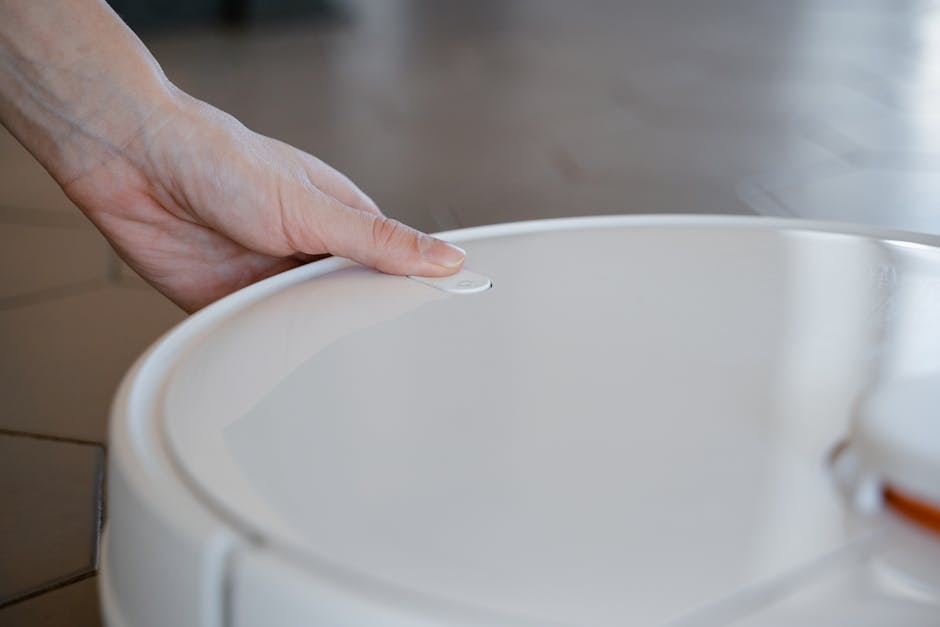
The brush roll design also dictates how that suction is applied. Xiaomi has made waves with its Robot Vacuum-Mop series. The Mop 2i (approx. ₹16,000) uses a combination of 2200 Pa suction and a rotating brush that is specifically designed to not tangle with long hair—a common complaint in Indian households. However, even the best robot vacuum cannot match the raw lift of a corded Eureka Forbes canister when it comes to deep-cleaning floor grooves.
Cordless vs. corded: Which brand offers better reliability?
In the Indian context, reliability is often tied to the power grid and the climate. Cordless vacuums rely on Lithium-ion batteries which hate heat. If you store your vacuum in a balcony utility area where temperatures hit 40°C, expect the battery life to drop significantly within two years. Dyson offers the best battery management systems, often lasting 40-60 minutes on a single charge in ‘Eco’ mode. However, a replacement battery for a Dyson can cost upwards of ₹8,000. You are paying for the convenience of not dragging a wire across your furniture.
Corded brands like AGARO and Inalsa provide a different kind of reliability. There is no battery to die. As long as you have electricity, you have maximum suction. The AGARO Regal 800W (approx. ₹1,600) is a viral favorite because it is incredibly cheap and surprisingly powerful for its size. Is it a long-term heirloom? No. But for a bachelor pad or a small office, it’s more reliable than a cheap cordless knock-off that stops holding a charge after six months.
If you have a large home (over 2000 sq. ft.), a corded brand is almost always the smarter choice unless you want to buy two batteries. Philips corded vacuums come with long 5-meter cables and automatic cord rewinders that are robust. I have seen Philips PowerPro units last seven or eight years with nothing more than a filter change. Cordless brands are still catching up to that kind of longevity. If you value “buy it once” over “easy to use,” stay with a corded brand.
Pro Tip: If you choose a cordless brand, never use the ‘Max’ or ‘Boost’ mode for the entire cleaning session. It overheats the battery and is the fastest way to kill your machine’s lifespan. Use ‘Auto’ or ‘Normal’ for 90% of the work.
Best vacuum cleaner brands for pet owners and allergy sufferers

Pet hair is the ultimate test for any vacuum. It clogs filters and wraps around brush rolls until the motor burns out. Dyson is the undisputed king here. Their ‘Digital Motorbar’ cleaner head has de-tangling polycarbonate vanes that automatically clear wrapped hair from the brush bar as you clean. It’s disgusting to watch but incredibly effective. If you have a Golden Retriever or a Persian cat, the V15 or the newer Gen5detect are the only machines that won’t require you to sit with a pair of scissors every week to cut hair off the rollers.
For a more budget-friendly pet solution, look at Miele (if you can find them in high-end retail outlets) or specialized Eureka Forbes models like the Forbes Pet Clean. These brands use high-grade charcoal filters to neutralize the “pet smell” that often lingers in vacuum bags. Xiaomi‘s robot vacuums are also surprisingly good for maintenance. They can be scheduled to run every day at 4 AM, picking up the daily shed before it gets trodden into the rugs. However, robots struggle with long hair, which tends to get stuck in their smaller side brushes.
Allergy sufferers must prioritize Sealed System HEPA. Some brands claim to have HEPA filters, but the vacuum body itself leaks air before it reaches the filter. Dyson and Shark (now entering the Indian market via importers) are the most reliable for total system sealing. When you vacuum with a Dyson, the air coming out of the exhaust is actually cleaner than the air in the room. This is a critical distinction for anyone dealing with dust mite allergies or seasonal pollen in cities like Delhi or Bangalore.
Maintenance costs and after-sales service availability in India
A vacuum cleaner is a mechanical device that requires maintenance. Before you buy, check the cost of consumables. Philips and Eureka Forbes have the most affordable replacement parts. A set of filters for a Philips PowerPro costs around ₹500-₹800 and is widely available on major Indian retail sites. This low cost of ownership makes them ideal for the average household.
Dyson maintenance is more expensive but less frequent. Their filters are designed to be washed and reused for years, provided you dry them completely (at least 24 hours) before putting them back. If you don’t, the dampness will ruin the motor, and that is an expensive repair. Dyson’s service in India is surprisingly efficient in metros—they often send a technician to your home or provide a pick-and-drop service for repairs. It is a premium experience for a premium price.
The brands to be cautious of are the “fly-by-night” labels found on deep-discount retail platforms. They might offer 20 kPa suction for ₹3,000, but when the plastic nozzle breaks or the filter gets clogged, you won’t find a replacement. You’ll end up throwing the whole machine away. Stick to brands like Black+Decker, Bosch, or Samsung if you want a guarantee that spare parts will be available three years down the line. Bosch, in particular, has been expanding its floor-care range in India, leveraging its existing massive network of appliance service centers.
Budget-friendly vacuum cleaner brands that actually last
If you have less than ₹10,000 to spend, your options are split between high-quality corded machines and mediocre cordless ones. My advice: buy a high-quality corded machine. Agaro has carved out a massive niche in the budget segment. Their Storm and Regal models are ubiquitous. While they use more plastic than a Dyson, they are mechanically simple and produce great suction. The Agaro Storm (approx. ₹9,000) is a dry and wet vacuum, which is a lifesaver for Indian kitchens where spills are common.
Inalsa is another brand that punches above its weight in the budget category. Their Spruce and MicroWD models are workhorses. They aren’t pretty, and they are quite loud, but they are built to handle the rough-and-tumble of Indian households. They often come with a variety of attachments—crevice tools, upholstery brushes, and floor brushes—that are compatible with generic third-party accessories. This makes them very versatile for cleaning everything from car interiors to ceiling fans.
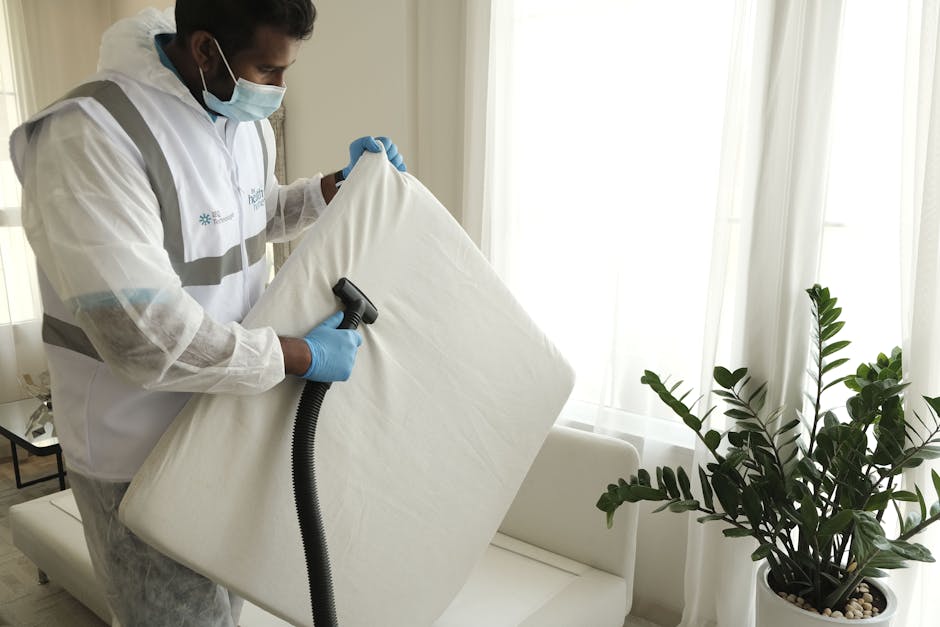
Finally, consider Kent. Known for water purifiers, their foray into vacuum cleaners has been solid. The Kent Bed & Upholstery Vacuum Cleaner (approx. ₹6,000) uses UV light to kill bacteria and dust mites while vacuuming. It’s a specialized tool, but for the price, it offers a level of hygiene that most general-purpose vacuums can’t match. When shopping in this price bracket, ignore the flashy LED lights and focus on the warranty period. A brand offering a 2-year warranty on the motor is always a better bet than one offering 1 year with more “features.”
The landscape of home cleaning in India has shifted. We are moving away from the ‘jhaadu-pocha’ (sweep and mop) culture toward more efficient, dust-free environments. Whether you choose the high-tech engineering of a Dyson or the rugged reliability of a Eureka Forbes, the key is consistency. A vacuum is only as good as how often you use it. Pick a brand that fits your storage space and your patience for charging batteries, and you’ll notice a significant improvement in your home’s air quality and cleanliness.