Pest Control in Brampton: What Actually Works (And What Doesn’t)
The most expensive pest control mistake isn’t calling the wrong company. It’s waiting too long to call anyone at all. Most Brampton homeowners treat a mouse sighting like a minor inconvenience. By month two, it’s an infestation inside the walls. Pests don’t ask permission — and they don’t leave on their own.
The Pests You’re Most Likely Facing in Brampton
Brampton’s climate creates a predictable cycle. Cold falls push rodents indoors. Wet springs bring carpenter ants. Hot summers mean wasp nests. Knowing what you’re dealing with changes everything about how you treat it.
| Pest | Peak Season | Main Entry Points | Damage Risk | DIY Success Rate | Avg. Professional Cost |
|---|---|---|---|---|---|
| House Mice | October–March | Gaps under doors, utility lines, vents | High (wiring, insulation) | Moderate | $150–$350 |
| Norway Rats | Year-round | Foundation cracks, sewer lines | Very High | Low | $250–$500+ |
| Carpenter Ants | April–August | Damaged wood, gaps in siding | High (structural) | Low | $200–$400 |
| Cockroaches | Year-round | Groceries, used items, drains | Medium (hygiene) | Low | $200–$600 (multi-visit) |
| Bed Bugs | Year-round | Travel, used furniture, shared laundry | High (spreads fast) | Very Low | $500–$1,500 per treatment |
| Wasps/Hornets | June–September | Roof gaps, eaves, attic vents | Low (structural), High (safety) | Moderate (early season) | $150–$300 |
| Silverfish | Year-round | Cardboard boxes, humid basements | Low (paper, cosmetic) | High | $100–$200 |
Carpenter ants are the one pest Brampton homeowners consistently underestimate. They don’t eat wood — they excavate it to build nests. A large colony can hollow out a load-bearing beam without any visible exterior damage. By the time you see sawdust trails on a basement window sill, the colony is established and actively expanding.
Norway Rats vs. House Mice: Why the Difference Matters
Rats and mice require completely different treatment approaches. House mice are bold explorers — they take bait quickly and move through open spaces. Norway rats are neophobic, meaning they avoid unfamiliar objects in their territory for days or even weeks. A snap trap placed near a rat burrow sits untouched for the first week. Professionals know to leave bait stations unset for several days before activating them. If you’re treating for rats with the same strategy you’d use for mice, you’re wasting your time.
Cockroaches Are an Apartment Problem — Until They’re Not
Most Brampton homeowners in detached houses assume cockroaches aren’t their problem. That assumption is wrong. German cockroaches travel through shared walls in semi-detached homes and townhouses. They arrive in grocery bags, used appliances, and cardboard boxes from warehouses. One egg case (ootheca) contains 30–40 eggs. A small problem becomes hundreds of insects within 60 days — and they breed faster than most consumer-grade products can keep up with.
The DIY Products That Deliver Real Results
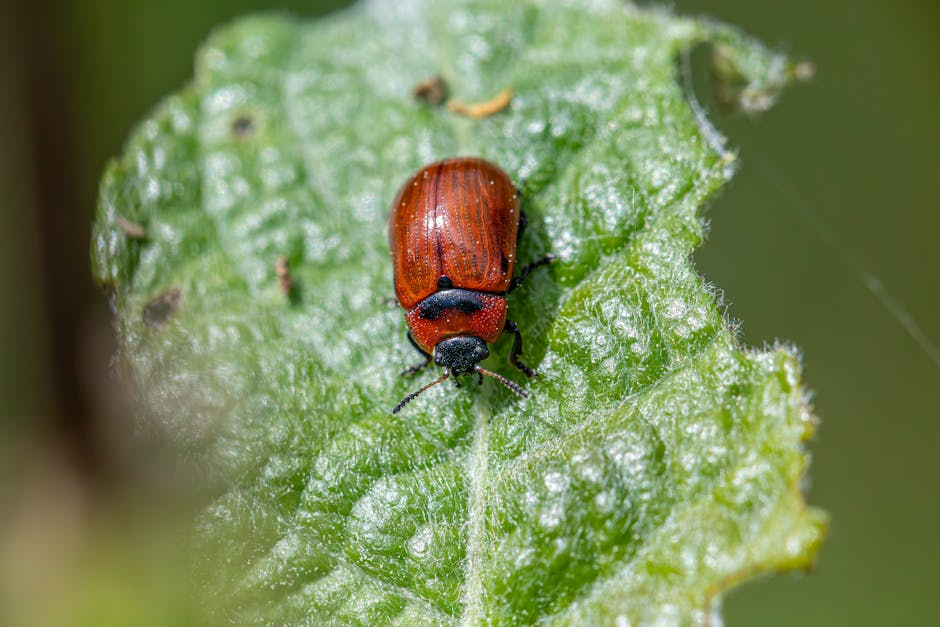
Most aerosol sprays sold at hardware stores give you the satisfaction of doing something while the infestation continues. These are the products that actually perform — and the correct way to use them.
- TERRO T300 Liquid Ant Baits ($8–$12 at Canadian Tire) — For common black ants and pavement ants, this borax-based bait is the most reliable consumer option. It takes 24–72 hours to work because workers carry it back to the colony. Do not spray any other insecticide near the stations. You’ll repel ants from the bait and render it useless.
- Victor M250S Electronic Mouse Trap ($25–$35) — Delivers a 7,000-volt shock in under a second. No mess, no reset frustration, and a green indicator light shows when a catch occurred. More practical than traditional snap traps in areas where children or pets are present.
- Ortho Home Defense Insect Killer ($20–$30) — Apply along the foundation perimeter, around window frames and door frames, and along baseboards inside. Creates a chemical barrier that remains active up to 12 months indoors. Consistently effective against spiders, earwigs, silverfish, and most crawling insects.
- Catchmaster 72MAX Glue Boards ($15–$20 per pack) — Place these along walls, not in open floor space. Rodents travel along edges. Use them to identify where mouse activity is concentrated before committing to trap placement. They don’t replace snap traps — they tell you exactly where to put them.
- Raid Ant and Roach Spray — Kills individual insects on contact. Does nothing to eliminate a colony. Use it as a contact killer only, not as a primary treatment strategy. Treating a cockroach infestation with Raid spray is like mopping a floor with the tap still running.
The Single Biggest DIY Mistake
Spraying everything with a general-purpose pesticide the moment you spot a pest. This approach scatters the problem without solving it. Insects retreat deeper into wall voids. Mice temporarily avoid treated areas and re-emerge once the chemical smell dissipates. Start with targeted bait, locate the entry points, and treat systematically. Panic-spraying delays effective treatment by weeks.
When Products Work Against Each Other
Borax ant baits and contact-kill sprays cannot be used in the same area simultaneously. The spray repels ants from the bait stations and breaks down the foraging trail you need to carry the poison back to the colony. If you’ve already sprayed a path, wait 48 hours before placing bait in that location. Similarly, ultrasonic repellent devices disrupt mouse movement patterns and reduce engagement with nearby snap traps. Pick one strategy per area.
When DIY Is a Complete Waste of Time
Bed bugs, established rat colonies inside walls, and large carpenter ant nests all require professional treatment. No exceptions. No consumer-grade product reliably eliminates bed bugs — thermal treatment at 120°F or higher, or professional-grade insecticides, are the only methods with consistent results. Attempting DIY on these three pests delays effective treatment, spreads the problem further, and ultimately costs you more money than calling a professional on day one would have.
How to Pest-Proof Your Brampton Home Before They Get In
Exclusion is the only long-term pest control strategy. Treatments deal with current infestations. Exclusion prevents the next one. Most Brampton homes built before 2000 have multiple entry points that have never been addressed — and treatments applied without exclusion work will need to be repeated every single season.
Foundation and Exterior Gaps
Walk the exterior perimeter of your home and mark any gap larger than 6mm. A house mouse can compress its body through a hole the size of a dime. Common problem areas in Brampton homes include:
- Where utility pipes enter the foundation — gas lines, electrical conduits, and water service connections often have gaps around them
- The junction between brick veneer and wood framing at the base of the wall
- Weep holes in brick walls — these are intentional moisture vents but also open pathways for insects and small rodents
- Where the garage door track meets the concrete floor — the rubber seal degrades in Canadian winters and leaves significant gaps
- Attic and soffit vents — standard aluminum mesh deteriorates; replace with 1/4-inch galvanized hardware cloth
Use DAP 18001 Dynaflex 230 caulk ($8–$12) for gaps around windows and door frames. For larger foundation gaps, pack steel wool tightly into the opening, cover with a foam backer rod, then caulk over the entire repair. Steel wool alone compresses over one winter and gaps reopen within a season.
Interior Conditions That Attract Pests
Cardboard storage boxes in basements are one of the most underappreciated pest attractants. They hold moisture, provide nesting material, and are trivially easy for rodents to chew through. Replace them with clear plastic bins with snap-close lids. This single change removes harborage for mice, silverfish, earwigs, and cockroaches at the same time.
Humidity matters more than most homeowners realize. Cockroaches and silverfish require ambient moisture to survive and reproduce. A basement running above 60% relative humidity is an open invitation. Running a dehumidifier between 40–50% RH removes the environmental conditions these pests depend on. The Frigidaire FFAD5033W1 50-pint unit (around $300) handles most Brampton basement footprints without constant emptying.
Landscaping as a Pest Highway
Mulch beds touching the foundation wall are a direct access route for carpenter ants and earwigs. Pull mulch back at least 6 inches from the foundation on all sides. Firewood stacked against the house imports carpenter ants, bark beetles, and spiders directly to your exterior wall. Store firewood at a minimum of 20 feet from the building on elevated platforms — never directly on soil.
Overhanging tree branches that contact the roofline give squirrels and raccoons direct roof access. Once wildlife damages shingles, every insect in the neighborhood has an entry point. Maintain a 3-foot clearance between branches and the roofline throughout the growing season.
The Seasonal Prevention Checklist
| Season | Key Action | Target Pest |
|---|---|---|
| Late September | Seal foundation gaps, replace worn door sweeps, check garage floor seals | Mice, rats |
| Early April | Inspect for carpenter ant frass, check wood in contact with soil | Carpenter ants |
| Late May | Check eaves and roof edges for early wasp nests (golf-ball size is still treatable DIY) | Wasps, hornets |
| Year-round | Run basement dehumidifier, eliminate cardboard storage | Cockroaches, silverfish |
Signs You Already Have an Infestation (Don’t Ignore These)
One mouse seen once might be a scout. Two sightings within a week is an established presence. These are the markers that tell you the problem has already moved past occasional visitor.
Rodent Activity Markers
Mouse droppings are dark, spindle-shaped, and roughly 3–6mm long. Fresh droppings are moist and nearly black; older ones are dry and grey. Look for them in kitchen cabinets, behind appliances, along wall edges, and inside stored items in the basement. Rat droppings are significantly larger — 18–20mm — and blunt at one end rather than tapered.
Grease marks along baseboards indicate regular rodent travel paths. Rodents navigate primarily by touch and leave sebum from their fur on surfaces they contact repeatedly. These dark smear marks appear at consistent intervals along routes between nesting areas and food sources. Fresh marks are glossy; older ones are dull and dusty.
Gnaw marks on food packaging, wiring insulation, or wood confirm active feeding. Fresh gnaw marks are pale and light-colored; they darken with time. Fresh marks in a cabinet mean the animal is active in that exact location right now.
Insect Activity Markers
Carpenter ant frass looks like fine sawdust mixed with insect body parts and tiny dark pellets. It accumulates in small piles below infested wood — check basement window sills, along floor joists, and anywhere wood contacts the foundation. This is not the same as sawdust from construction; frass has texture and organic debris mixed in.
Cockroach infestations produce a distinctive musty, oily odor that intensifies as the population grows. The smell is noticeable first inside kitchen cabinets, under sinks, and behind appliances. Small dark smear marks along cabinet door edges are fecal deposits. Cockroaches seen during daylight hours signal a severe infestation — they’re nocturnal by nature, and daytime sightings mean harborage areas are overcrowded.
Choosing a Pest Control Company in Brampton
This is where Brampton homeowners overpay or get underserved most consistently. The GTA pest control market includes national franchises, regional companies, and independent operators — with real differences in quality, pricing, and accountability.
What Does a Pest Inspection Cost in Brampton?
Expect to pay $75–$150 for a residential inspection from a licensed pest control company. Abell Pest Control and Orkin Canada both waive the inspection fee if you proceed with treatment. Truly Nolen charges for the inspection separately but provides a written report, which is useful for landlord-tenant disputes or insurance documentation.
Free inspections come with a catch: the company’s financial incentive is to find something requiring treatment. A paid inspection from an independent operator tends to produce more objective findings. For rodent problems specifically, a competent technician should be able to walk you through the exact entry points during the inspection. If they can’t identify how animals are getting in, they’re guessing at the treatment.
Orkin vs. Abell vs. Truly Nolen — Which One for Brampton?
For general residential pest control — mice, common ants, cockroaches — Abell Pest Control is the strongest choice in the GTA. They’re a Canadian company, their technicians are licensed under Ontario’s Pesticides Act, and their service contracts include follow-up visits within the original quoted price. Orkin Canada is competent but operates as a franchise, so service quality varies significantly by location. Check Google reviews for the specific Brampton franchise, not the national aggregate rating.
Truly Nolen is worth calling for complex carpenter ant jobs or wildlife exclusion work. Their technicians tend to have stronger experience with structural entry-point assessment than the other two.
For bed bugs, call any company that offers heat treatment as an option. Chemical-only treatment for bed bugs requires 3–4 visits over 6–8 weeks and carries a meaningful failure rate. Heat treatment ($800–$1,500 for a standard bedroom) resolves the infestation in a single visit. The cost difference disappears when you account for multiple service calls, replacement of infested items, and lost wages from repeated home access appointments.
What Should Be in a Treatment Warranty?
A legitimate pest control contract for rodents or insects should include all of the following:
- A minimum of one free follow-up visit within 30 days if the problem persists
- Written identification of entry points — not just treatment of the active population
- The specific pesticides used, including their Health Canada registration numbers
- The technician’s Ontario Exterminator licence number, verifiable through ServiceOntario
Any company that can’t provide those four items in writing before you sign is not worth hiring. Entry point identification is the non-negotiable one — without it, you’re paying for temporary relief that repeats on the same seasonal cycle every year. For a straightforward early-stage mouse problem, a licensed independent operator charging $150–$200 flat will outperform a franchise charging $350 for identical scope. Get two quotes, ask for entry point identification in writing, and verify the licence number before signing anything.