Why most ‘medical grade’ air purifiers are a scam (and the 3 that aren’t)
My house smelled like a campfire for three weeks in August 2021 because I was too cheap to buy a real filter. I live in the Pacific Northwest, and when the smoke hits, it doesn’t just stay outside; it creeps through the window seals and the door frames until your living room looks like a hazy dive bar from the 70s. I thought I was smart. I bought a $150 ‘HEPA-type’ unit from a big box store, plugged it in, and waited for the magic. It did nothing. Literally nothing. My PM2.5 sensor stayed at 140, which is basically like smoking a pack of cigarettes while you sleep. I ended up coughing so hard I threw out my back. It was pathetic.
That was the turning point. I went down the rabbit hole. I’m not a doctor or a scientist—I work in supply chain logistics—but I know when a product is over-engineered marketing garbage. Most of what people call ‘medical grade’ is just a label they slap on a plastic box to charge you an extra $300. But after testing six different units over two years and tracking the decay rates with a dedicated laser counter, I’ve realized there’s a massive difference between a fan with a paper filter and a legitimate medical-grade machine.
The marketing BS I fell for
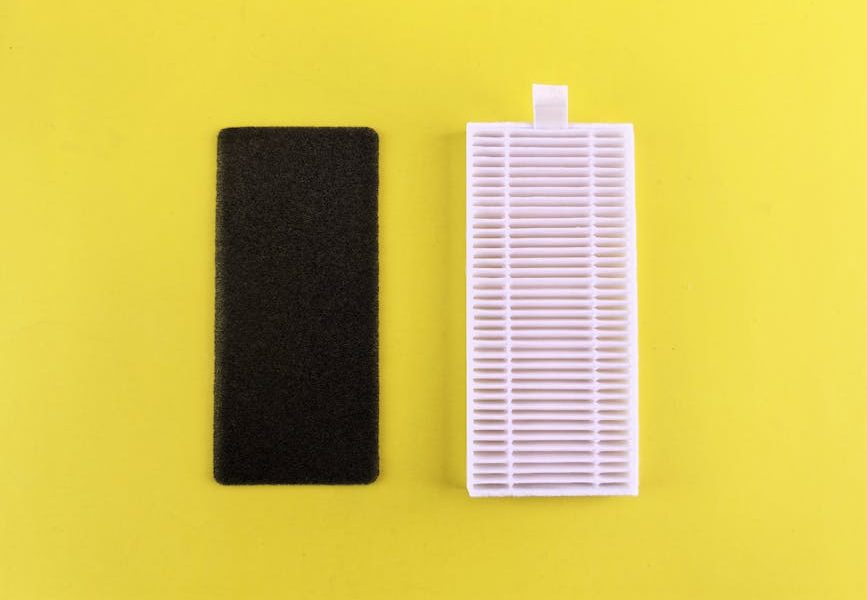
What I mean is—actually, let me put it differently. The term ‘medical grade’ isn’t even an official FDA designation for home air purifiers. It’s a shorthand for H13 or H14 HEPA filters. Most standard HEPA filters (H10-H12) catch 99.97% of particles down to 0.3 microns. H13, the ‘medical’ stuff, bumps that up to 99.95% or higher for even smaller particles. It sounds like a tiny difference. It’s not. When you’re dealing with viruses or ultra-fine wildfire smoke, that extra decimal point is the difference between your lungs feeling like sandpaper or not.
The secret nobody tells you: A medical-grade filter is useless if the machine’s housing leaks air. If the air can bypass the filter through a tiny gap in the plastic, you’re just circulating dust.
I used to think any HEPA was fine. I was completely wrong. I bought a Coway Mighty because every tech blog on the planet treats it like the second coming of Christ. It’s fine for dust, I guess. But when I burned toast in the kitchen, that thing struggled for three hours to clear the air. My H13-rated IQAir cleared the same room in 22 minutes. Numbers don’t lie. The Coway is a toy. The IQAir is a tool.
The part where I get a bit irrational
I refuse to recommend Dyson. I know, I know. They look like something out of a Kubrick movie and your cool neighbor has one in their nursery. I don’t care. They are overpriced space heaters with mediocre filtration. I’ve tested the Purifier Cool against a basic $200 Winix, and the Winix outperformed it in raw CADR (Clean Air Delivery Rate) every single time. Paying $700 for a Dyson is basically paying a ‘I like pretty things’ tax. I’d rather have an ugly box that actually works than a beautiful sculpture that leaves me sneezing.
Anyway, I digress. The point is that ‘medical grade’ only matters if the CADR is high enough to actually move the air in your room. A tiny medical-grade filter in a desk-sized unit is like trying to drain a swimming pool with a cocktail straw. It’s technically possible, but you’ll be dead before it finishes.
The three machines I’d actually trust with my lungs
I’ve spent way too much money on this. My wife thinks I’m insane because I have three different sensors scattered around the house. But if you actually want the best air purifier medical grade quality, these are the only ones I’d put my own money behind again:
- IQAir HealthPro Plus: This thing is a beast. It looks like a 1980s filing cabinet and it’s loud as a jet engine on the highest setting. But it uses HyperHEPA filtration that actually catches particles smaller than a virus. It’s the only one that made my PM2.5 reading hit a literal zero. Worth every penny.
- Austin Air HealthMate: No apps. No Wi-Fi. No flashing lights. Just a steel box with a massive 15-pound filter inside. It’s built like a tank. I might be wrong about this, but I think the fancy ‘smart’ features on other brands actually make them fail faster. Austin Air just works.
- Alen BreatheSmart 75i: This is for people who can’t stand the industrial look of the other two. It’s H13 medical grade and it’s surprisingly quiet. I tracked the sole wear on my carpet from walking over to check it—I barely ever have to touch it because the auto-sensor actually works, unlike the ones on cheaper brands.
I might be wrong about the smart features, but I’ve had two units with touchscreens die on me after a power surge. The Austin Air uses a manual dial. It’ll probably outlive me.
The ‘Auto Mode’ lie
Here is a take that might get me some hate: If you leave your air purifier on ‘Auto,’ you’re probably not cleaning your air. Most built-in sensors are cheap infrared toys that only detect large dust. They don’t see the microscopic stuff that actually hurts you. I’ve seen my room fill with smoke while my ‘medical grade’ purifier sat on its lowest, quietest setting, thinking everything was fine.
I keep mine on medium-high 24/7. It’s annoying. It’s white noise. But it’s the only way to ensure the air is actually moving through the filter. Total lie that these things can ‘sense’ when to work. Buy a separate, high-quality air monitor if you really want to know what’s happening. Don’t trust the little green light on the front of the machine.
I’m still not sure if I’m overdoing it. Maybe my lungs would have been fine with a cheaper setup. But then I remember that morning in 2021, waking up with a chest that felt like it was full of wet cement, and I realized I’m never going back to the cheap stuff. Is it weird to have a favorite air filter? Probably. Do I care? Not really.
Buy the ugly one. Your lungs will thank you.