
How to Coordinate Your Accent Wall with Perfect Furniture and Decor
Choosing the Right Wall for Your Accent Feature
Picking the perfect wall for your accent feature is the first step to transforming any room. So, where should you start? Look for natural focal points that already draw the eye. Common spots include:
- Behind the sofa in your living room
- The wall with the bed’s headboard in the bedroom
- Around the fireplace
- The wall behind your TV or entertainment center
These areas naturally attract attention, making them ideal for an accent wall.
Next, think about your room’s layout and flow. Does the wall get good natural light? Strong light highlights your feature wall better, but sometimes softer light can create a cozy vibe. Also, take note of architectural elements like built-in shelves, windows, or doorways—these can either enhance your accent wall or break it up awkwardly.
Tips for different room sizes:
- Small spaces: Choose a single, clear wall without doors or too many breaks. This keeps the design bold without making the room feel cluttered.
- Large rooms: You have more freedom to experiment, but avoid walls that are peppered with windows or multiple doors, which can “break” the visual flow.
Avoid using walls heavily interrupted by windows or doorways for your accent feature—they tend to disrupt the impact and make furniture placement tricky.
By focusing on natural focal points and considering light and structure, you’ll find the right wall to create a stunning feature that anchors your room beautifully.
Understanding Color Coordination Basics
Getting your accent wall to work with the rest of the room starts with understanding some simple color theory. Familiarize yourself with complementary colors (opposites on the color wheel, like blue and orange), analogous (colors next to each other, like blue and green), monochromatic (different shades of the same color), and triadic schemes (three colors evenly spaced, like red, yellow, and blue). These schemes help create balance and harmony.
To make your accent wall feel connected, try pulling colors from your existing furniture, rugs, or artwork. For example, if your rug has subtle greens, consider a green-toned wall or decor accents. This creates a natural flow without forcing matches.
When working with a bold accent wall, balance it with neutral surroundings—think light sofas, curtains, or floors. Conversely, a neutral wall can be paired with colorful or patterned furniture and accessories for a lively effect.
Always test your chosen color before committing. Use swatches on the wall and observe them at different times of the day to see how natural and artificial light changes the shade. Keep in mind how the color affects the room’s mood—a darker tone can feel cozy but might shrink small spaces, while light colors open up the room.
For tips on blending your accent wall with your flooring, consider looking into guides about choosing the right flooring that suit your color and style preferences.
Selecting Accent Wall Styles and Materials
When choosing the perfect style and material for your accent wall, think about what fits your room’s vibe and practical needs. Paint is the easiest way to make a statement—go for bold hues if you want a strong focal point, or choose lighter tones for a subtle effect. Matte finishes give a modern, soft touch, while glossy finishes add shine and highlight textures. Dark colors can create coziness, whereas light tones open up the space.
If you want to add texture and depth, consider wood paneling, shiplap, beadboard, or stone veneer. These materials add a tactile feel and can work well with rustic, farmhouse, or industrial decor.
For renters or those wanting an easy-change option, wallpaper and murals are great. Patterns range from subtle florals to bold geometrics, and peel-and-stick versions make removal hassle-free.
Other creative ideas include gallery walls, mirrors, or decorative molding to give your accent wall a unique personality without paint or paneling. Mirrors can also reflect light and make a room feel larger.
Mixing these options can elevate your feature wall design while supporting the furniture and decor you’ll coordinate with it later. For more inspiration on updating your space, check out easy ways to upgrade your home’s look with simple changes.
Pairing Furniture with Your Accent Wall
When pairing furniture with your accent wall, scale and proportion are key. You want your furniture to complement the wall without overwhelming it or fading into the background. For example, a large bold wall works well with streamlined furniture that balances the space, while a subtle accent wall can handle pieces with more presence.
Matching complementary styles helps create harmony. Modern furniture pairs nicely with geometric or bold paint accent walls, while rustic or vintage pieces suit textured wood paneling or stone veneer feature walls. This helps bring out the best in both the furniture and the wall design.
Decide whether to use neutral furniture to let the accent wall shine or pick statement pieces that echo the wall’s color scheme. For instance, a deep blue accent wall might look fantastic paired with neutral cream sofas or with chairs in a similar blue tone for a coordinated feel.
Finally, arrange your furniture with the accent wall as the focal point. Position sofas, chairs, or beds so they face or align with the wall, framing it naturally. This approach not only highlights your feature wall but also improves the room’s flow and visual balance. For tips on choosing furniture finishes that withstand daily use while complementing your space, checking out effective furniture stain options can be helpful.
Incorporating Decor and Accessories for Cohesion
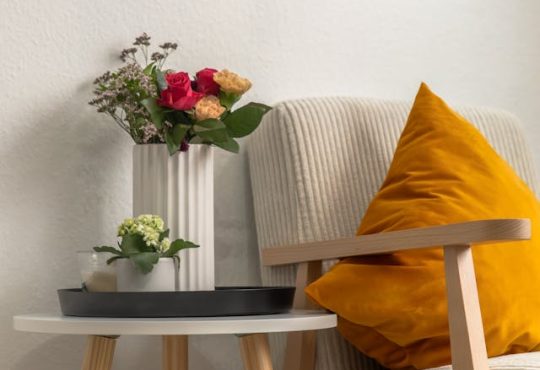
To create a truly cohesive room, start by echoing the colors or textures of your accent wall in your decor. Think throw pillows, curtains, rugs, and artwork that pick up the same tones or patterns. This subtle repetition ties the space together without overwhelming it.
Layering different elements also adds depth and interest. Use shelves to display books or small plants, add lighting fixtures like sconces or table lamps to highlight your accent wall, and incorporate mirrors to bounce light and open up the room. These layers create a dynamic but balanced look.
Keep in mind the balance between personality and clutter—less is often more. Choose a few standout pieces rather than filling every inch with items, so your accent wall remains the room’s focus.
For functional decor, use shelves or wall-mounted frames on the accent wall itself. This not only draws attention but also lets you showcase art or collectibles in a way that complements your feature wall design. For more detailed ideas on layering and color balance, check out practical home decor coordination tips.
Room-Specific Coordination Ideas
Different rooms call for different accent wall strategies to create harmony and style.
-
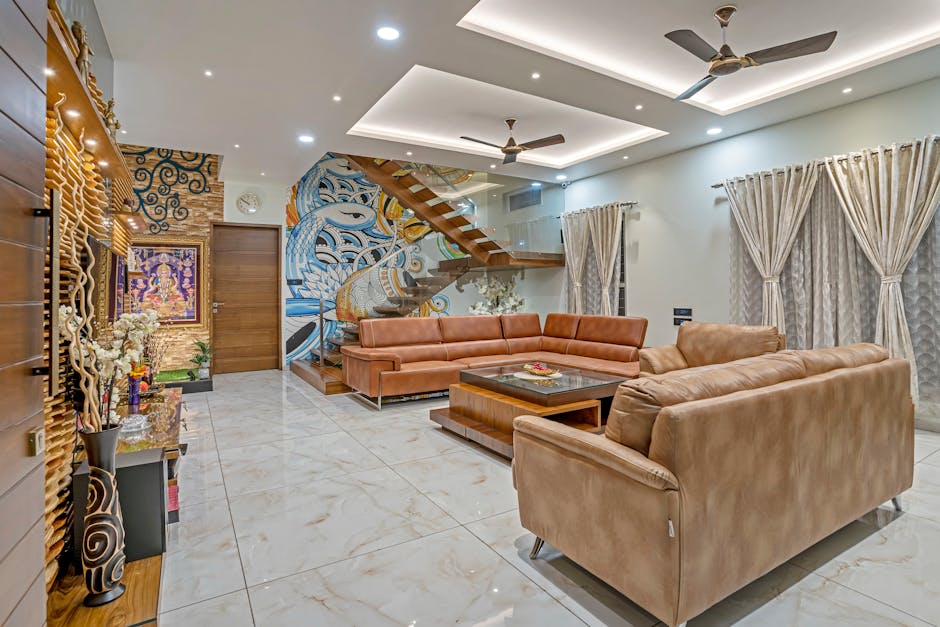
Living Room: A bold accent wall works great behind a sectional sofa. Choose coordinating ottomans or cushions that pick up colors or patterns from the wall to tie everything together. This approach creates a clear focal point without overwhelming the space. For tips on arranging your sofa and making your living room feel inviting, check out our guide on how to set up your living room.
-
Bedroom: A serene, calming accent wall behind the headboard helps set a restful mood. Pair it with bedding and nightstands in complementary or neutral tones to maintain balance. Soft textures and muted colors here make the wall a peaceful backdrop rather than a distraction.
-
Dining Room: Use an accent wall to add depth and interest, especially behind a buffet or dining table. Darker colors or textured paneling can add sophistication. Coordinate decor like light fixtures or chair cushions to echo the wall’s tone.
-
Home Office: A feature wall behind your desk can boost focus and style. Choose colors that energize you or add wallpaper patterns to personalize your space. Match storage furniture and shelving to the wall’s style for a cohesive look.
By tailoring your accent wall and coordinating furniture and decor to each room’s function and vibe, you create a unified space that feels intentional and welcoming.
Common Mistakes to Avoid and Pro Fixes
When coordinating your accent wall with furniture and decor, a few common mistakes can throw off the whole vibe. Here’s what to watch for—and how to fix it fast:
1. Overpowering the Room
A bold paint accent wall or textured paneling is striking, but too much can overwhelm the space. If your wall demands attention, keep furniture and accessories more neutral. Conversely, if your furniture is colorful or patterned, choose a subtler wall.
Pro fix: Use softer furnishings or lighter decor pieces to balance strength and avoid visual fatigue.
2. Clashing Elements
Mismatched colors or styles between the wall and furniture create a jarring effect. For example, a modern geometric wallpaper won’t mesh well with overly rustic, bulky sofas.
Pro fix: Stick to complementary color schemes and matching furniture styles to maintain interior design harmony. Pull colors from existing rugs, pillows, or artwork to tie everything together seamlessly.
3. Poor Lighting
Accent walls can look different under various lights. A bold dark tone might make a room feel cramped if lighting is inadequate, while shiny finishes can reflect harsh light.
Pro fix: Test wall colors in different lighting conditions before committing. Add layered lighting—table lamps, wall sconces, or natural light enhancements—to brighten dark corners. For more on lighting tips, check out our guide on stylish storage solution ideas, which also cover how lighting impacts room balance.
4. Ignoring Room Size and Layout
Placing an accent wall on the wrong wall or cluttering it with oversized furniture can break the flow and make spaces feel cramped.
Pro fix: Choose the natural focal point (like behind a sofa or bed headboard) and arrange furniture to complement the wall rather than compete with it.
Keeping these common pitfalls in check ensures your accent wall remains a stunning feature, perfectly coordinated with your furniture and decor for cohesive room style.
Turn Inspiration Into Reality: Shop quality solid wood furniture at Plank+Beam — modern designs, honest prices.