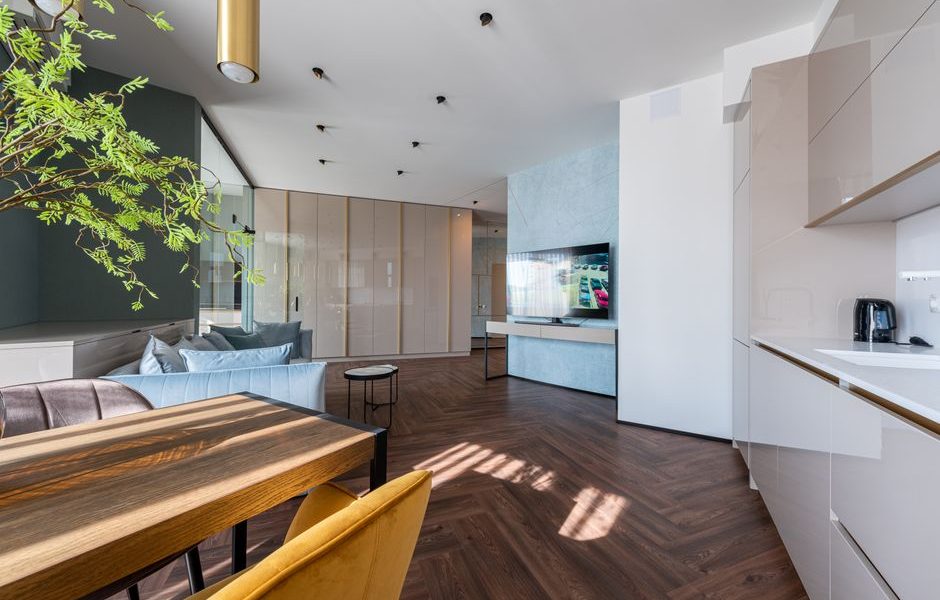
Bringing Indoor Plants Into Interior Design Without Clutter
You have a bare corner beside the sofa, a narrow entry table, or a bright kitchen shelf that feels unfinished. You add one plant, then another, and the room starts to look crowded instead of calm. The fix is not more greenery. It is better placement, stronger scale, and plants that match the light your home actually gets.
Bringing indoor plants into interior design works best when you treat foliage as part of the room’s structure. A plant can soften a hard-lined cabinet, fill an empty vertical space, or draw attention away from an awkward radiator. It should also survive the location you choose. A beautiful plant that loses leaves beside a dark television stand is a poor design choice.
How many indoor plants should a room have?
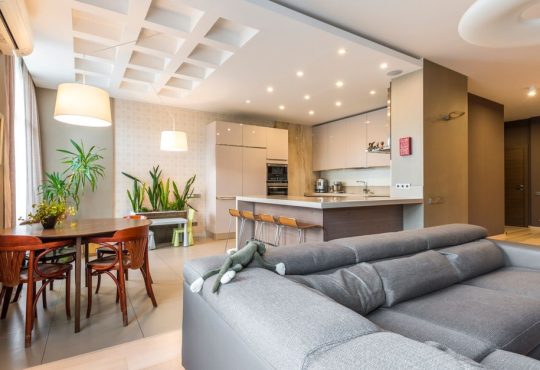
The best starting point is one major plant for each large visual zone, not one plant for every empty surface. In a typical living room, that may mean one floor plant beside the sofa, one medium plant on a sideboard, and a small plant on a shelf. More than that can work, but only when the room has enough open space to separate each shape.
Use plant groupings instead of scattered decoration
Three plants usually look more intentional than three single plants placed across the room. Group them by height: one tall plant, one medium plant, and one low trailing form. Keep the containers related through color or material, then vary the leaf shape. A narrow snake plant beside a rounded peperomia creates contrast without adding visual noise.
Choose the right size for the furniture
A plant beside a tall sofa should rise at least to the sofa’s upper third. A small plant on a deep console needs a pot that is wide enough to feel anchored. Use the table below as a practical guide. The measurements refer to the visible plant and container together, not the plant alone.
| Room zone | Recommended plant height | Best visual role | Common mistake |
|---|---|---|---|
| Beside a sofa | 90–180 cm | Softens a tall, empty corner | Using a tiny pot that disappears beside the furniture |
| Entry console | 30–75 cm | Creates a welcoming focal point | Blocking keys, bags, or the walking path |
| Dining table | 20–45 cm | Adds a low centerpiece | Choosing a plant tall enough to block conversation |
| Open shelf | 10–35 cm | Breaks up books and ceramics | Filling every shelf with identical small pots |
| Bedroom corner | 60–150 cm | Adds height and a quieter texture | Putting a moisture-sensitive plant beside a heater |
My verdict: begin with fewer, larger plants. One well-sized plant gives a room more design value than five undersized pots scattered without a clear pattern.
Match the plant to the room before matching it to the color palette
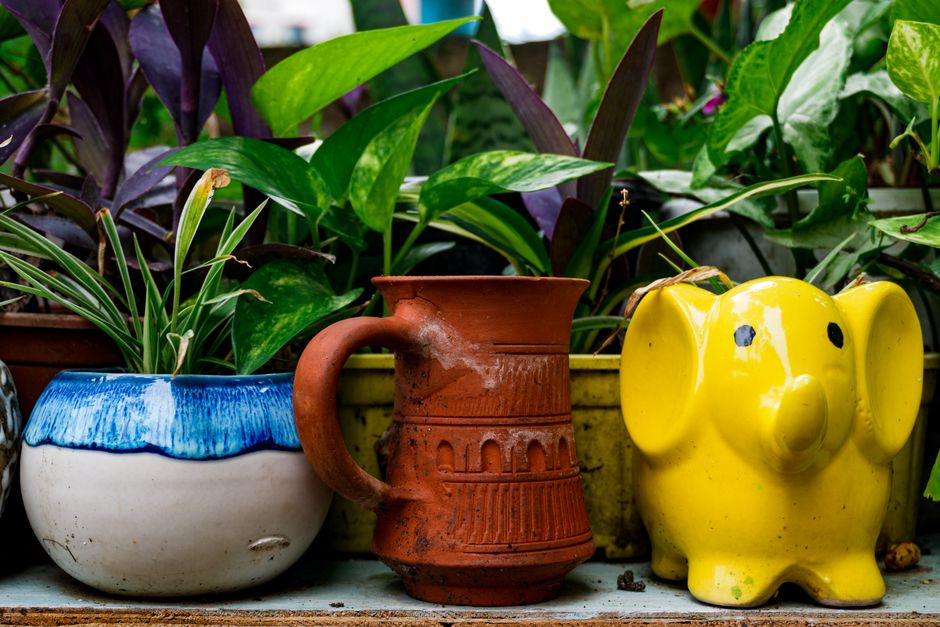
The room should decide the plant’s care requirements. Light comes first, airflow comes second, and style comes third. A north-facing hallway may look perfect for a tropical plant in a photograph, but the real space may not provide enough light to keep it healthy. Choose a plant that can live in the location you want, then choose a container that fits the room.
What low-light rooms really need
Low light does not mean no light. A room still needs enough indirect daylight for a living plant to grow. Snake plants, cast-iron plants, and some varieties of pothos handle lower light better than fiddle-leaf figs or citrus trees. Growth will usually slow, and watering needs may change because soil stays wet for longer. Move the plant closer to a window if new leaves become smaller, stems stretch, or the foliage loses its normal color.
What bright rooms can support
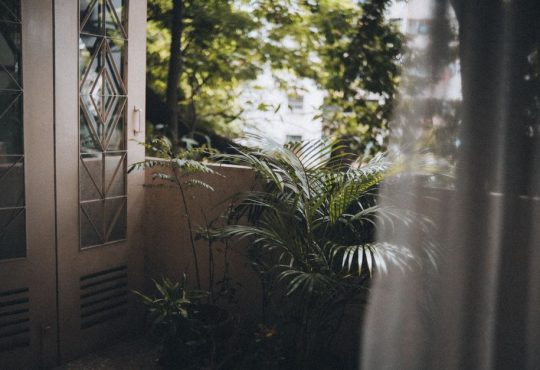
Bright rooms give you more choice, but direct sun through glass can scorch leaves. Use sheer curtains when afternoon rays hit a plant for several hours. Palms, jade plants, aloe, and many succulents suit bright spaces, while delicate ferns prefer filtered light and steady moisture. The clear recommendation is simple: never select a plant only because its leaves match your sofa. Select it because the room can meet its light needs.
This approach also makes the design easier. Plants that are healthy develop fuller shapes, stronger color, and more useful height. The room looks better because the plant is growing into its role instead of slowly becoming a damaged object.
The five-step method for choosing plants and pots
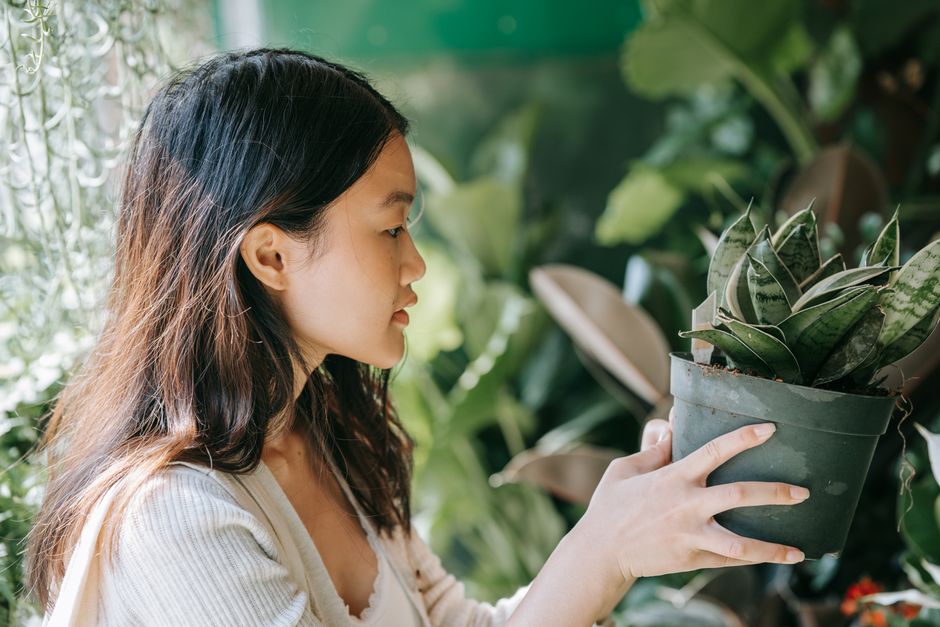
Use this sequence before you spend money. It keeps the design decision practical and stops a beautiful plant from becoming a difficult one.
- Measure the location. Record the width, depth, ceiling height, and walking clearance. Keep at least 60–75 cm for a comfortable main walkway.
- Check the light. Watch the location at morning, midday, and late afternoon. Bright indirect light is different from several hours of direct sun.
- Choose the plant’s mature shape. Pick upright forms for tight corners, broad forms for empty rooms, and trailing forms for shelves. Do not judge only by the plant’s current size.
- Choose a container with drainage. The decorative pot can hide a plain nursery pot, but water still needs somewhere to escape. A saucer protects wood and stone surfaces.
- Plan the care routine. If you travel often, choose forgiving plants and place them where you can check the soil easily. A difficult plant in an inconvenient corner will fail.
Specific products that solve different design problems
For a no-maintenance accent in a dark hallway, the IKEA FEJKA artificial potted plant is a sensible choice. The cited version uses a 9 cm pot and stands about 28 cm high. It will not provide the texture of a living plant, but it will hold its shape where real greenery would struggle.
For a living tabletop tree, the Costa Farms Mini Money Tree is listed at about $36 and suits desks, windowsills, and small consoles. Its compact size makes it easier to place than a full floor plant. For a larger statement, the Costa Farms Medium Money Tree is listed at about $40 and offers a stronger vertical presence, but it needs bright natural light and weekly checks of the top two inches of soil.
My strongest recommendation: buy fewer, larger plants
For most homes, one healthy statement plant is the best first purchase. It gives you scale, improves an empty corner, and makes the rest of the room easier to arrange. A collection of tiny plants can look charming, but it demands more containers, more watering decisions, and more shelf space. It also creates visual clutter quickly.
Best choice for a living room statement
Choose the Costa Farms White Bird of Paradise when you have a bright room, a ceiling height that can handle a tall plant, and enough space for large leaves. The listed large version costs about $79 and can grow to 8 feet or more indoors. It is the strongest choice for a large open-plan living room because its leaves create a clear focal point. Do not buy it for a dim corner or a narrow walkway. The plant will need natural light and room to spread.
Best choice for a smaller, calmer display
Choose the Costa Farms Money Tree when you want a living focal point without the sharper vertical shape of a snake plant. The braided trunk adds detail, and the hand-shaped leaves soften desks, sideboards, and reading corners. It is also more forgiving than a fiddle-leaf fig for many new plant owners, but it still needs light and regular watering. The clear verdict is the medium Money Tree for a bright apartment living room; the mini version for a desk or compact entry table.
Buy artificial greenery instead when the chosen spot has almost no daylight, when watering access is poor, or when pets and children make a fragile plant unsafe. That is not a design failure. It is a better match between the room and the object. A convincing artificial plant kept clean will look better than a living plant that is constantly stressed.
Questions readers ask before buying indoor plants
Should plants match the interior design style?
They should support the style, not copy it. Use sculptural plants and simple pots in modern rooms. Use fuller foliage and warmer materials in traditional or relaxed rooms. The plant’s shape matters more than matching its exact green tone.
Where should indoor plants not go?
Keep them away from heating vents, cold drafts, doors that open into the foliage, and surfaces that cannot tolerate water. Do not place a plant in a dark corner just because the corner needs decoration. Move it closer to a window or choose an artificial option.
Is a large plant better than several small ones?
For an empty corner, yes. A large plant gives stronger scale and needs fewer accessories. Several small plants work best on a shelf, windowsill, or narrow console where their repeated height creates rhythm. They are not a substitute for a statement plant beside substantial furniture.
| Design problem | Best solution | Clear verdict |
|---|---|---|
| Empty bright corner | Large living plant | Choose a Money Tree or White Bird of Paradise |
| Dark hallway | Artificial greenery | Choose IKEA FEJKA rather than sacrificing a living plant |
| Small desk | Compact tabletop plant | Choose a Mini Money Tree with a drainage saucer |
| Crowded shelf | One trailing or low plant | Remove duplicates before adding another pot |
The most reliable formula is simple: measure first, match the plant to the light, choose one strong focal point, and leave enough empty space for the room to breathe.