Narrow Entryway Benches: A Plank & Beam Offer Guide for Better Drop Zones
The first six feet of a home work harder than almost any other area. Shoes land there. Bags land there. Keys, jackets, parcels, dog leashes, and school items all compete for the same small patch of floor. When that zone has no furniture plan, the rest of the house starts every day with clutter.
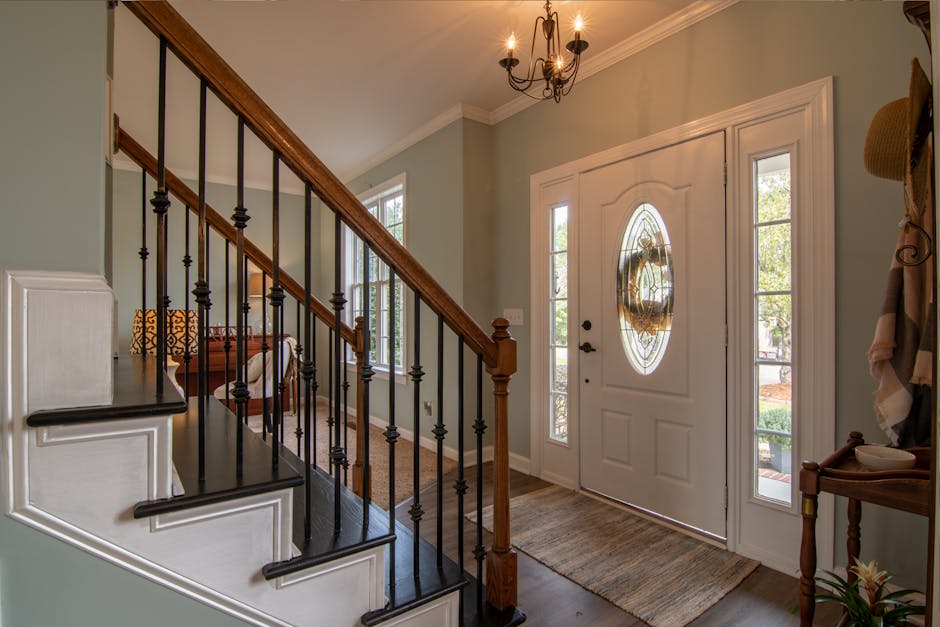
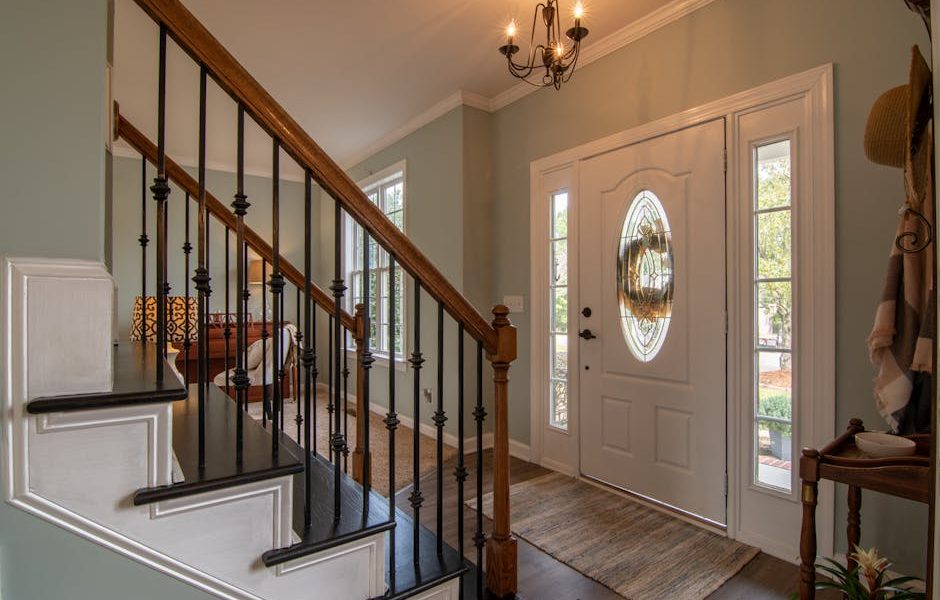
A narrow wood bench is one of the simplest ways to fix that problem, which is why the Plank & Beam furniture offer is worth checking before buying another plastic shoe rack or temporary storage cube. A bench adds a place to sit, a place to stage bags, and a visual pause that makes the entry feel designed.
Why a Bench Beats Another Cabinet in a Tight Hall
Cabinets hide clutter, but in a narrow entry they can also make the hallway feel pinched. A bench keeps the space open because you can see the wall above it and the floor below it. That openness matters in older houses, apartments, and side entries where every inch of width counts.
The best entry bench does three jobs without shouting about any of them. It gives people a proper spot to put shoes on. It creates a landing surface for a bag or parcel. It adds a material note, usually wood, that warms up a hallway full of painted doors, drywall, and hard flooring.
Measure the Wall, Then Measure the Swing
Before choosing a bench, measure the wall length and the clear path beside it. A slim bench can still fail if the front door hits it, a closet door cannot open, or two people cannot pass. Check door swings, stair landings, radiator placement, and nearby outlets. For very narrow halls, depth matters more than length. A shallower bench that fits cleanly will look better than a longer piece that everyone bumps into.
If your entry is wide enough, add baskets underneath for shoes, hats, or pet supplies. If it is not, keep the floor clear and use wall hooks above. That combination gives the same drop-zone function without turning the bench into a clutter shelf.
How to Style It So It Stays Useful
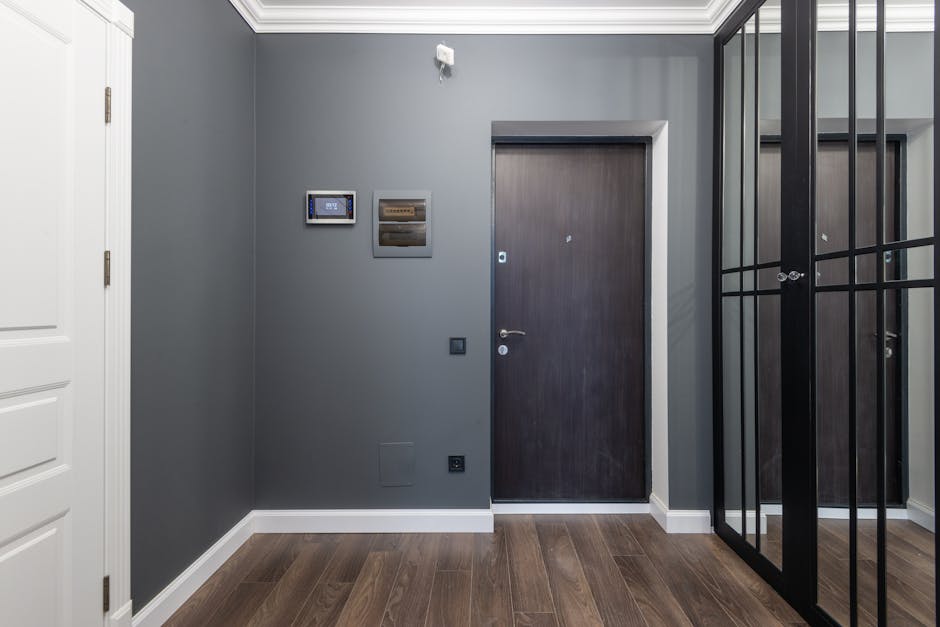
Entry furniture fails when styling gets in the way of the daily routine. Keep the bench mostly open. A single cushion is fine if it is washable and does not slide. A tray at one end can hold keys, but avoid covering the whole seat with decor. The point is to make leaving and coming home easier.
Above the bench, use a mirror if the hallway needs light, hooks if it needs function, or art if nearby closets already handle coats. If the wood tone feels isolated, repeat it once with a picture frame, small bowl, or stair rail detail. Repetition makes the bench look connected to the house rather than added at the last minute.
Best Homes for This Upgrade
This is a strong upgrade for homes without a mudroom, apartments with a direct living-room entry, and family houses where backpacks collect near the door. It also works well near secondary entrances from a garage or patio. The bench does not need to be large to be useful; it just needs to be where the mess actually happens.
Wood is especially helpful in these small transition spaces because it softens hard surfaces. Tile, laminate, and painted trim can feel practical but bare. A wood bench brings enough warmth to make the entry feel intentional without adding visual bulk.
The Offer Angle
If your entryway is always almost tidy but never truly organized, look at the current Plank & Beam offer for a slim wood piece that fits the wall, respects the door swing, and gives the household a real landing zone. Small furniture can change the way the whole home starts and ends the day.