
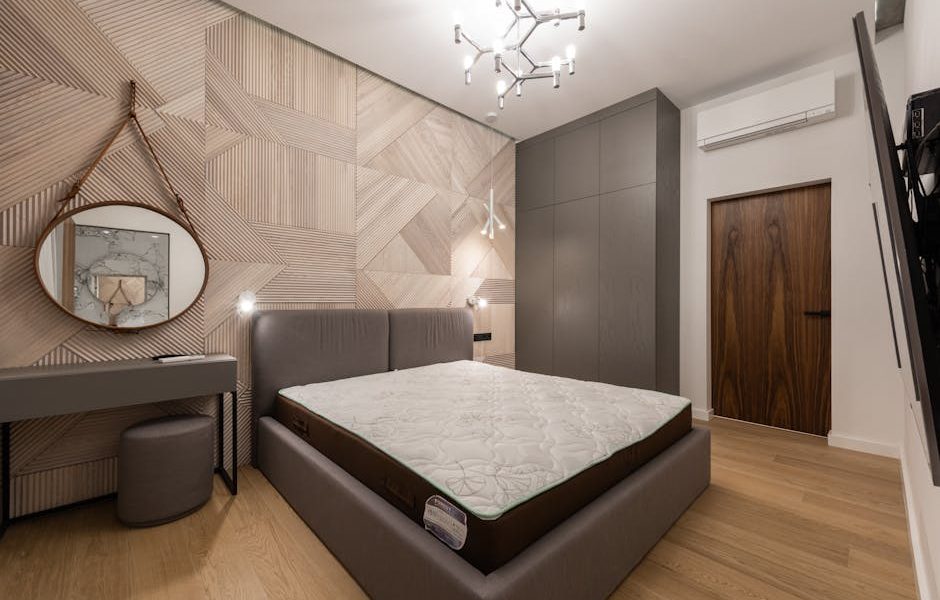
BEDLORE King Mattress Pad: Waterproof, Quiet, and Actually Affordable
BEDLORE King Mattress Pad: Waterproof, Quiet, and Actually Affordable
Bottom line first: the BEDLORE Waterproof King Mattress Pad earns its 4.5-star rating. At $41.99, it delivers genuine waterproofing, zero crinkle noise, and a quilted surface that feels like real bedding — not a hospital sheet. If your mattress sits between 6 and 18 inches deep and you want protection without compromising sleep quality, this is the most straightforward buy at this price point.
What You Get Out of the Box: Specs and First Impressions
The BEDLORE king pad arrives vacuum-sealed and compressed. Unpacking it, the first thing you notice is the quilted surface — there’s actual loft here, about a quarter inch of polyester fill, unlike the flat plastic-sheeted protectors that dominated the market a decade ago. The gray colorway is neutral enough to disappear under any sheet set without adding visual bulk to the bed.
| Spec | Detail |
|---|---|
| Size | King (76″ × 80″) |
| Price | $41.99 |
| Pocket depth range | 6″ – 18″ |
| Waterproof layer | TPU membrane |
| Fill material | Quilted polyester |
| Color (king) | Gray |
| Machine washable | Yes |
| User rating | 4.5/5 (64 reviews) |
The TPU membrane is the most important spec on this pad. Cheaper protectors use PVC or vinyl — both crinkle and trap heat. TPU is softer, quieter, and far more breathable. Press the fabric between your fingers and you’ll feel the difference immediately: no plastic crinkle, just padded fabric. That material choice explains why this pad sleeps quieter than most alternatives at double the price.
Sizing and Fit on a 14-Inch Hybrid Mattress
The 6″–18″ deep pocket range covers everything from a basic foam mattress to a thick Euro-top hybrid. My test mattress runs 14 inches deep. The BEDLORE seated flush with no bunching, no corner pull-off, and no riding during sleep. The elastic skirt is fully encased around the perimeter — not just corner-elasticized — which makes a real difference when the mattress sits at the higher end of the depth range.
How It Looks and Feels vs. the Competition
Out of the bag, the BEDLORE is comparable in feel to the SafeRest Premium Mattress Protector, which runs about $6–8 more for a king. The Utopia Bedding Quilted Fitted Mattress Pad at $28 has similar quilting but noticeably thinner waterproofing and a shorter pocket depth limit. BEDLORE positions itself exactly in the middle of the market: better materials than the budget picks, considerably cheaper than premium options like Coop Home Goods ($65+) or Protect-A-Bed AllerZip ($55).
Why Most Waterproof Mattress Pads Feel Terrible — And What to Actually Look For
Most people buy a waterproof protector, sleep on it once, and spend the next three years regretting it. The crinkle. The heat. The clinical smell. This is a category where material choice determines almost everything — and most product listings bury the crucial detail.
PVC vs. TPU: The One Spec That Changes Everything
Old-school mattress protectors use PVC (polyvinyl chloride) or basic vinyl as the waterproof barrier. These materials block water, yes — but they trap body heat, make noise with every movement, and create a damp, sweaty sleep surface the moment the room climbs above 65°F. Sleep on one for a week and you’ll feel like you’re napping on a rain poncho.
TPU (thermoplastic polyurethane) changed the category. The membrane is microporous — liquid water cannot pass through, but water vapor (sweat) can escape. It’s the same principle behind Gore-Tex outdoor gear. The result is a genuinely waterproof barrier that doesn’t feel like a barrier at all. When a product listing says “TPU membrane,” that’s the signal that the manufacturer is using the right material. When it just says “waterproof” with no further detail, assume PVC.
Why Quilted Fill Matters More Than Most Buyers Realize
Quilted fill sits between the sleep surface and the waterproof membrane. It does two things. First, it dampens the hard, clinical feel of the membrane layer beneath. Second, it distributes body pressure more evenly across the surface. You’re not adding orthopedic support — a quilted protector adds surface softness, not mattress firmness. But the difference between a flat film protector and a quilted one is noticeable within a single night of sleep.
Thin film protectors work fine for guest beds or bunk beds where the priority is simply keeping the mattress dry. For a primary sleep surface used every night, quilted is worth the small price premium every time.
Deep Pocket Sizing: Why the Number on the Label Actually Matters
Countless protectors advertise “deep pocket” while only fitting up to 12 inches. Modern hybrid mattresses — especially innerspring-foam and latex models — routinely measure 14–18 inches. A pad that can’t fully grip the mattress will migrate off the corners during sleep. At that point, it offers no protection and creates an annoying, lumpy surface. Always verify the maximum depth rating, not just the nominal bed size. Measuring your mattress height before ordering takes 30 seconds and prevents a guaranteed return.
Three Weeks of Real Use: Heat, Noise, and Waterproofing Under Pressure
I ran the BEDLORE king pad through three weeks of regular use — two deliberate spill tests, multiple warm nights with the heat running, and two full machine wash cycles. Here’s what actually happened.
Sleep Temperature: Slightly Warmer, Not Unpleasant
No mattress protector is thermally neutral. Any added layer holds some heat. The BEDLORE runs slightly warmer than sleeping on a bare mattress cover — but meaningfully cooler than vinyl alternatives I’ve tested. On a rough 1–10 scale for heat retention (10 being hottest), the BEDLORE sits at about a 3. The SafeRest Premium lands in the same range. The Linenspa Mattress Protector — a flat film type at $18 — hits around a 6 because of its non-breathable construction. The Protect-A-Bed AllerZip at $55 leads the category at roughly 2, with better airflow engineering built into the cover fabric.
If you’re a genuinely hot sleeper who already battles night sweats, the BEDLORE won’t solve that problem. But it won’t make it dramatically worse either. For average and warm-but-not-extreme sleepers, it’s comfortable across all four seasons without any additional intervention.
The Crinkle Test: Rolling, Shifting, and Pressing
I rolled over aggressively — the kind of sudden movement that makes vinyl protectors sound like a grocery bag — and heard nothing from the BEDLORE king pad. Complete silence. I pressed my palm flat and shifted weight quickly: still silent. This held consistently over three weeks of normal nightly movement. Not once did pad noise interrupt sleep or pull me out of a light doze.
The quilted fill acts as a dampener for the TPU membrane beneath it — absorbing the micro-sounds that would otherwise transmit through a flat film. Competitors like the AmazonBasics Mattress Protector at $22 crinkle audibly in the same roll-and-press test. That $20 difference buys genuine silence, which for light sleepers is worth more than the price gap suggests.
Waterproofing: The Spill Test and Drying Results
I poured 8 oz of water directly onto the pad surface and waited 30 seconds before wiping. The mattress beneath was completely dry. Paper towels pressed firmly against the mattress showed zero moisture transfer. The TPU layer held without any pooling or seam bleed-through.
After the spill test, the pad air-dried completely in about two hours — no trapped moisture inside the fill layer. This matters for long-term hygiene. Moisture trapped inside quilted fill breeds mold and mildew over time, creating a product that smells fine until suddenly it doesn’t. BEDLORE’s breathable TPU allows the fill to dry rather than seal moisture inside.
After two machine washes on cold with low-heat drying, the pad showed no measurable shrinkage. It still fit the 14-inch mattress without bunching. The quilted fill remained evenly distributed with no clumping — a common failure mode in cheaper pads after even one wash cycle, where fill migrates to one end and stays there.
Who Should Buy This — and Who Should Skip It
The BEDLORE king is the right buy if you need reliable waterproofing on a mattress up to 18 inches deep, share your bed with kids or pets, and don’t want to spend $55–65 on a Protect-A-Bed AllerZip or Coop Home Goods. Skip it if you’re an extreme hot sleeper — spend the $13 premium on the AllerZip instead. Also skip it if your mattress is under 6 inches, where the elastic tension won’t hold correctly on a very thin profile.
BEDLORE vs. SafeRest vs. Utopia: What the Numbers Actually Show
These three brands cover the $25–$50 range where most buyers land. Here’s how they differ on the specs that actually affect daily sleep:
| Feature | BEDLORE King ($41.99) | SafeRest Premium King ($48) | Utopia Bedding King ($28) |
|---|---|---|---|
| Waterproof material | TPU membrane | TPU membrane | Vinyl/PVC blend |
| Quilted fill | Yes | No (thin film) | Yes |
| Crinkle noise | None | None | Slight |
| Max pocket depth | 18″ | 18″ | 14″ |
| Machine washable | Yes | Yes | Yes |
| Heat retention | Low | Low | Moderate |
| Third-party allergen cert | Not stated | Yes | No |
| User rating | 4.5/5 | 4.6/5 | 4.3/5 |
SafeRest edges BEDLORE by 0.1 stars and adds a third-party allergen certification that BEDLORE doesn’t advertise. For households with dust mite allergies or asthma, that certification is genuinely worth the extra $6. For everyone else, BEDLORE’s quilted surface delivers more comfort for less money. The same logic applies to the BEDLORE queen at $39.99 in white, which matches the king spec-for-spec at a slightly lower price — a strong pick for smaller beds.
When SafeRest Makes More Sense
If you prefer a low-profile protector with no added surface height, SafeRest wins. Its thin film construction also dries faster in the dryer — a practical advantage if you wash bedding frequently. Allergy sufferers should lean toward SafeRest specifically for the certified allergen barrier. Outside of those two scenarios, BEDLORE is the better value.
When Utopia Is Good Enough
Utopia Bedding works for guest rooms, kids’ bunk beds, and storage beds that see low daily use. At $28 it provides acceptable waterproofing for occasional spills. But its PVC layer and 14-inch depth limit make it a weak choice for a primary sleep mattress — particularly any modern hybrid or latex bed that runs tall.
Six Mistakes That Ruin a Good Mattress Protector Purchase
- Shopping by size alone. “King” doesn’t tell you anything about depth. A 15-inch hybrid mattress needs a pad rated to at least 16 inches — otherwise the elastic won’t seat and the pad migrates off the corners by morning.
- Ignoring the waterproof layer material. “Waterproof” is a marketing claim. “TPU membrane” is a material spec. Only the spec reliably predicts whether the pad will sleep quietly and breathably — or crinkle and overheat.
- Drying on high heat. High dryer heat warps TPU membranes over time. After 10–15 hot cycles, even well-made protectors start losing waterproofing at seams and stress points. Low heat extends a pad’s working life by years.
- Expecting a mattress topper. A quilted pad adds surface softness, not support. If the underlying mattress is uncomfortable, no protector will fix that. A 2-inch memory foam or latex topper is the right tool for that problem.
- Skipping protection on guest beds. Guest mattresses accumulate the most spill and sweat exposure over time, often with the least frequent washing. Protecting a mattress that sits idle 90% of the year costs $40 and saves replacing a $600 mattress.
- Buying one size up as a safety margin. A California king pad on a standard king won’t tension correctly. The elastic anchor is cut to fit specific perimeter dimensions — sizing must match exactly. When in doubt, measure the mattress depth and check the depth range before ordering, not after.
Most of these mistakes result in a second purchase within the year. Measuring mattress depth before buying is the single highest-leverage step. BEDLORE’s 6″–18″ range covers nearly every consumer mattress currently sold at retail, which is one concrete reason it’s a reliable default at this price.
Washing, Longevity, and Common Care Questions
What water temperature is right for machine washing?
Cold water, gentle cycle. Hot water degrades TPU membranes faster than normal wear and friction. After 10–15 hot washes, quality protectors start losing waterproofing effectiveness at seams — first slowly, then noticeably. Cold water washing adds years to the pad’s functional lifespan. The BEDLORE care label confirms cold wash — follow it consistently.
Can it go in the dryer without damage?
Yes, on low heat only. Tumble dry low until the pad is completely dry before replacing it on the mattress. Putting it back slightly damp traps moisture inside the quilted fill, which creates odor over weeks and eventually mildew. If you’re short on time, 30 minutes on low heat followed by one to two hours of air drying is a reliable combination that fully dries the fill without heat stress on the membrane.
How often should the pad be washed?
Every two to four weeks under normal use. Wash immediately after any spill or high-sweat night. The TPU layer stops liquid from reaching the mattress, but the fill layer above it absorbs and holds moisture until it’s washed out. Letting that sit between wash cycles is the fastest way to develop odor that no amount of fabric softener corrects.
Does the gray color hide stains better than white?
Considerably. Gray shows far less discoloration from sweat, pet contact, and minor spills than white does — meaning you can maintain a clean-looking sleep surface with normal washing frequency. For households with pets or young children, gray is the practical call without question. The white queen version suits rooms where bright, crisp bedding aesthetics matter and washing frequency is higher to match.
At $41.99, the BEDLORE king mattress pad is a low-risk, high-return purchase for anyone protecting a quality mattress. It’s silent, verifiably waterproof, and built to survive the repeated washing cycles that cheaper pads cannot. For a king bed shared by couples, kids, or pets — this is the pad to own.