
Why Bathroom Vanity Lights Fail at Makeup (And What Fixes It)
Why Bathroom Vanity Lights Fail at Makeup (And What Fixes It)
Most people assume better fixtures solve bad bathroom lighting. I believed that too — until I spent $340 on a Delta Cassidy 8-light vanity bar and still looked patchy under restaurant lighting. The problem isn’t the fixture. It’s where the light comes from.
The Myth That More Expensive Vanity Fixtures Fix Your Makeup Lighting
When bathrooms get renovated, the default move is upgrading the overhead fixture. More bulbs, higher wattage, warmer color temperature. Makes sense in theory.
It doesn’t fix the problem.
Why Light Direction Beats Wattage Every Time
Your orbital bone — the brow ridge above your eye socket — protrudes roughly 10-15mm further than your eye itself. Any light source above that point casts a shadow directly over your eye socket. Most bathroom vanity bars mount 12-18 inches above the mirror’s top edge, placing them 24-36 inches above eye level for the average adult. At that angle, the light geometry mimics exactly what a film director would use to make a character look sinister in a scene.
There’s a physics principle at work. Light intensity on any surface decreases with the cosine of the angle of incidence. At 45 degrees off-axis, you lose roughly 29% of effective illumination before accounting for shadow geometry. A fixture sitting 36 inches above eye level and 18 inches in front of the face creates close to a 63-degree incident angle. That’s nearly two-thirds of light effectiveness gone — plus the shadow the brow ridge casts over your eye socket.
The fix is frontal illumination at eye level. When light comes from directly in front of your face at the same height as your eyes, shadows disappear. Professional makeup artists have operated on this principle for decades. Every makeup artist at a studio uses a ring light, not a ceiling fixture.
Why Hollywood Mirror Strips Still Underperform
Some renovation budgets address this with Hollywood-style side-mounted strips. Brands like Kichler and Progress Lighting sell these from $150-300 per pair. They improve on overhead-only setups because they add lateral fill. But fixed mounting means no height adjustment after install, no portability, and a new renovation project every time your needs change or you move.
A portable ring light on an adjustable tripod costs $18-65 and solves the same geometry problem without permanent installation. It moves with you, adjusts to your exact height, and takes up roughly 18 inches of floor space when in use.
Three Real Options for Shadow-Free Bathroom Lighting
- Portable ring light on tripod ($18-65): Best for daily use, travel, and flexibility. Adjustable height is the critical feature that makes or breaks bathroom usability.
- Side-mounted Hollywood strips ($150-300 per pair): Permanent aesthetic fix, no flexibility after install, requires an electrician if you’re adding dedicated circuits.
- Custom vanity panels with built-in side fill ($500+): Full renovation solution. Rarely justified by lighting needs alone unless you’re doing a complete bathroom overhaul.
After testing three portable ring lights over four months — a $18 generic Amazon option I returned twice, the Lume Cube Panel Go at $59.95, and the M MYBAT PRO with 72″ tripod at $31.34 — only one of them is still in my bathroom. Here’s the full breakdown of what six weeks of daily use actually looks like.
M MYBAT PRO Selfie Ring Light — Unboxing and Specifications
The packaging reflects the price point. Thin cardboard, components in plastic bags, a single instruction sheet in three languages. For $31.34, that’s appropriate. The money went into the hardware.
What’s in the Box
- 10-inch LED ring light head (clip-mount design)
- 72-inch aluminum tripod and selfie stick combo (collapses to approximately 20 inches)
- Spring-clamp phone holder (accommodates phones up to ~85mm wide)
- USB-C power cable (59 inches)
- Instruction sheet (English, Spanish, French)
Assembly requires no tools and takes under five minutes. The tripod uses twist-lock collars at each extension section. They hold position reliably — no slow downward drift under the ring head’s weight, which is the exact failure mode that makes cheap tripods unusable inside a month of regular use.
Specs vs. Competing Options
| Feature | M MYBAT PRO ($31.34) | Neewer 10″ LED Ring ($45) | Lume Cube Panel Go ($59.95) | Generic 10″ Kit (~$18) |
|---|---|---|---|---|
| Ring size | 10 inches | 10 inches | Panel format | 10 inches |
| Max tripod height | 72 inches | 67 inches | 18 inches (desk only) | 50 inches |
| Power source | USB-C | USB-C | USB-C | USB-A |
| Color temps | 3 modes | 3 modes | 2 modes | 3 modes |
| Dimmer levels | 10 | 10 | 10 | 3 |
| Weight | ~1.8 lbs | ~2.1 lbs | 0.6 lbs | ~1.5 lbs |
| Rating | 4.1/5 (541 reviews) | 4.4/5 (2,100+ reviews) | 4.3/5 (890+ reviews) | 3.7/5 (varies) |
Build Quality Relative to the Price
The tripod legs are aluminum, not plastic. They don’t flex under load. The ring light head is plastic with a rubberized grip on the clip mount. The ball-joint tilt covers a solid range of adjustment and holds position under normal use — not once has it drifted out of position mid-session.
The one build limitation worth flagging upfront: the spring-clamp phone holder has minor wobble with phones over about 220-230g. It works reliably for video calls and still photography. For extended recording with a heavier device, it’s less than ideal. There’s a clean fix for this, which I cover in the Q&A section below.
Six Weeks of Daily Bathroom Use — What the Listing Doesn’t Tell You
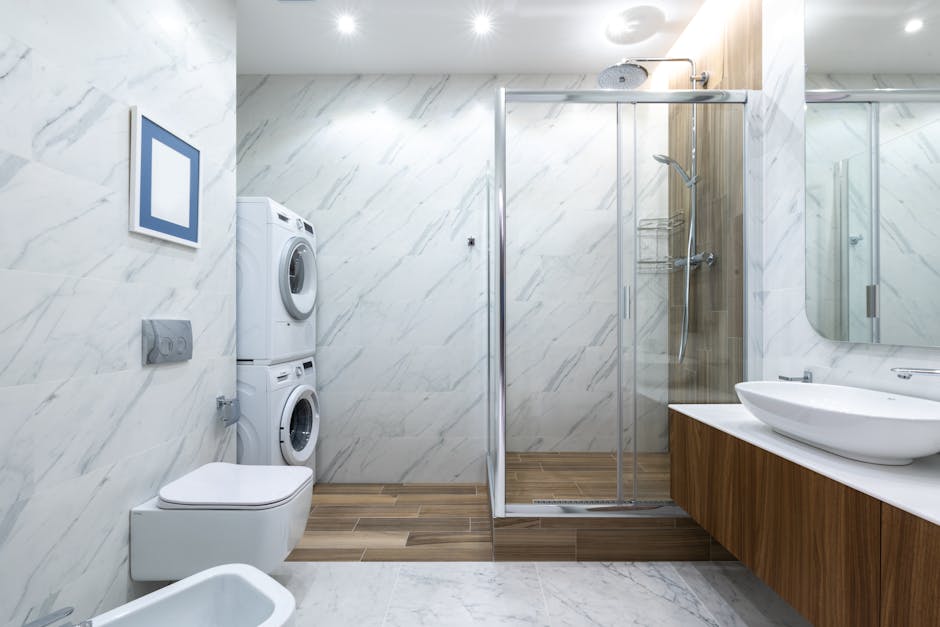
My master bathroom measures 9 feet wide by 11 feet deep. Single-sink vanity, 36-inch counter height, one overhead can light, and the Delta Cassidy bar I mentioned. The M MYBAT PRO ring light lives in the right corner of the vanity, tripod locked at 62 inches, ring head angled toward face level.
Color Temperature Modes in Real Practice
The three modes run approximately 3000K (warm), 4500K (natural), and 6500K (daylight). These Kelvin values aren’t labeled anywhere in the product listing, but they track closely with standard LED temperature ranges when measured against reference cards.
Natural mode (4500K) is my default for foundation and concealer work. It renders undertones accurately without the blue cast that daylight mode introduces. For lip colors that shift under outdoor conditions — particularly nudes and dusty pinks — I switch to daylight briefly to check how they read in bright light. Takes three seconds. Became automatic within the first week.
At 18-24 inches, the 10-inch ring produces even facial illumination with no hotspot in the center. I borrowed a Neewer 18″ Ring Light Kit from a colleague for a direct comparison over a weekend. The 18-inch unit gives better perimeter coverage — more fill at the hairline and ears. For standard daily makeup at a bathroom vanity, that difference only matters for detailed contouring or professional editorial work. For everything else, 10 inches handles it without issue.
The dimmer runs in 10 levels. At maximum, this ring noticeably outshines my overhead can light. At minimum, it’s soft enough for 6 AM use without being jarring. For video calls — I’ve used this from hotel bathrooms on two work trips — natural mode at around 70% power reads as clean office lighting on a laptop camera.
The 72-Inch Tripod Is the Differentiator
This is the specification that makes the M MYBAT PRO worth choosing over tabletop-only alternatives. The Lume Cube Panel Go is genuinely better light by CRI standards — more accurate color rendering, punchier output per square inch. But it maxes out at 18 inches on a desk stand. Reaching face level requires stacking it on something. That’s a workaround, not a solution you’ll maintain for six months.
The adjustable range here is 20 to 72 inches. At 62 inches, the ring sits at face level for a 5’6″ adult standing at the vanity. The three-leg spread at full extension measures approximately 18 inches across — fits in the corner without blocking sink or mirror access. Collapsed to 20 inches for travel, it fits in a carry-on without compression. I’ve traveled with it twice with zero issues.
One Practical Limitation to Know Before You Buy
The USB-C cable runs 59 inches. If your nearest bathroom outlet sits more than five feet from the tripod position, you’ll need an extension. My vanity outlet is on the wall directly behind the counter, so reach isn’t a problem in my setup. In bathrooms where the outlet is tucked on a side wall or behind the toilet, the cable becomes a real constraint. A USB extension cable costs $6-8 and solves it permanently — worth buying alongside the ring light if your bathroom layout is uncertain.
Using a Ring Light to Document Home Renovations

Six months in, I started using this for something beyond makeup: photographing bathroom tile work, flooring samples, and remodel progress. Consistent lighting for renovation documentation matters more than most homeowners realize, and this light handles it better than anything else I’ve tried at this price.
Getting Accurate Flooring and Tile Colors on Camera
Standard bathroom vanity bars run 2700-3000K. Under that warm light, tile grout reads darker and hardwood floors photograph more orange than their real color. For accurate documentation — comparing LVP plank samples side by side, matching grout shades between rooms, or sending approval photos to a contractor — the 6500K daylight mode on the ring light shows material colors close to their appearance under natural outdoor light.
For flooring overhead shots, extend the tripod to the full 72-inch height and angle the ring downward. The elevation keeps your body shadow out of the frame entirely. For tile close-ups showing grout lines and surface texture, pull the tripod down to 36-40 inches and angle in from one side. Frontal light flattens surface texture; slight lateral offset reveals surface detail and grout depth — which matters when you’re evaluating finish quality.
One technique worth keeping: photograph tile layout before grouting to document the dry-fit pattern, then rephotograph after grouting and sealing with identical ring light positioning and height. The comparison documents color shift from grout and sealant products accurately enough to catch any surprises before the work is signed off. This has saved me two contractor conversations that would have otherwise become arguments about what the material was supposed to look like.
Consistent Before-and-After Remodel Documentation
The most common mistake in renovation photography is lighting inconsistency between before and after shots. Shoot the before under existing bathroom fixtures and the after with a ring light, and the comparison looks like you changed the entire atmosphere of the room — not just the tile or vanity. Use the same ring light setup, same color temperature, same tripod height for both sessions. The spring-clamp phone holder keeps your device at a consistent focal distance, so shots align across sessions taken weeks apart.
Bathroom Staging for Listing Photography
For homeowners preparing a bathroom for sale, ring-lit photos look dramatically cleaner than shots taken under standard vanity lighting. Shadow-free frontal illumination makes tile surfaces appear brighter, counter materials show their actual color, and the room reads as larger than under angled overhead light. This isn’t a substitute for professional real estate photography — but for listing photos shot on a phone, the ring light produces a visible, immediate difference compared to shooting under your existing vanity bar.
My Verdict
The M MYBAT PRO ring light with 72″ tripod is the right buy under $65 for bathroom vanity use. The height range is what separates it from desk-only alternatives, USB-C portability makes it genuinely useful for travel, and the build quality holds up to daily use. It doesn’t match the Neewer 18″ for professional content creation. For makeup lighting and home photography, it solves exactly the problem you’re buying it for.
Buyer Questions Worth Answering

Does It Work Without a USB-C Port on the Bathroom Outlet?
Yes. Any USB charger with a USB-C output works — the ring light runs on standard 5V/1A, no fast charging needed. The USB-A to USB-C adapter that shipped with most Android phones from 2018-2022 works fine. A small USB wall adapter plugged into a standard three-prong outlet handles it without any configuration.
Is 10 Inches Large Enough for Full-Face Coverage?
At 18-24 inches from your face, yes. Even illumination, no center hotspot. For wide-frame video or shots requiring more than just the face in the frame, step up to the Neewer 18″ Ring Light Kit. For a bathroom vanity at standard standing distance, 10 inches covers the task without compromise.
Can It Replace Existing Bathroom Vanity Lighting Entirely?
No, and attempting it creates a worse result. This is a targeted fill light, not a room illumination fixture. Your vanity bar handles general bathroom lighting; the ring light handles the face-level shadow fill your overhead fixture creates. Run both together. Running only the ring light in a bathroom produces a well-lit face in a dim room — functional in an emergency, not ideal as a daily setup.
What’s the Fix for Phone Holder Wobble on Heavy Devices?
The M MYBAT PRO case for iPhone 17 Pro Max ($28.49) paired with a MagSafe-compatible tripod mount adapter is substantially more stable than the spring clamp for phones over 220g. The case earns its 4.6/5 rating across 155 verified reviews — shockproof construction, genuine MagSafe compatibility that locks with a firm click, and no screen protector included (add one separately if needed). The magnetic connection eliminates the micro-rattle the spring clamp produces during any recording session longer than a few seconds.